
Reviewed · SHOW
Star Tour Show at Ko Olina
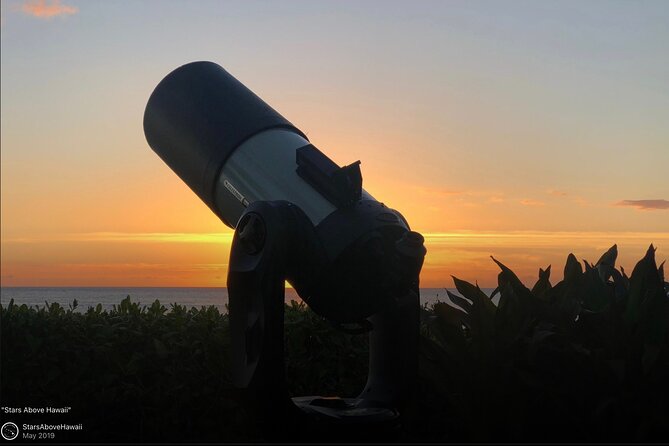
The best part of this Ko Olina evening is the chance to see the moon’s craters, Saturn’s rings, and distant star clusters through a serious telescope, not just a small backyard scope. Greg McCartney, a NASA Ambassador, also connects modern astronomy with Polynesian star navigation, giving the hour a strong sense of place.
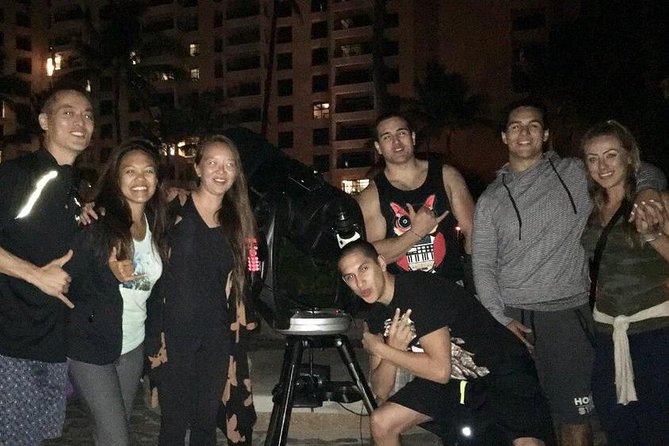
I like the small group size, capped at 25 people, because it leaves room for questions and telescope time. I also like the mix of science, Hawaiian sky traditions, and storytelling. This is not a silent, technical observing session. Greg explains what you are seeing in a way that works for families and adults alike.
The main drawback is simple: the weather controls the show. Clouds can block the sky, and a cancellation can be frustrating if you have driven to Ko Olina or are leaving Oahu soon. Light pollution is also possible at a resort setting, although the telescope can still reveal far more than your eyes alone.
Key points to know before booking
- Saturn’s rings and moon craters: The telescope is powerful enough to show details that are impossible to see clearly with the naked eye.
- Greg McCartney leads the show: His presentation combines astronomy, Polynesian navigation, Hawaiian star lines, and sky mythology.
- One hour, small group: The activity is short enough for most families, with a maximum of 25 people.
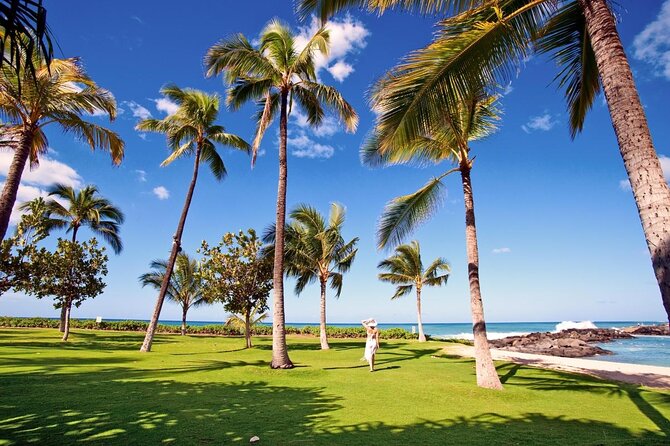
- The location can change: The show may take place on the Four Seasons ocean lawn or at the Naupaka Spa and Fitness Center’s rooftop tennis courts.
- Weather matters: Poor conditions can lead to a new date or a full refund, and you receive a weather text by 6 p.m. on the day of the event.
- Best for curious older children and adults: Babies may find the equipment and quiet observing period less suitable, while children interested in space should have a good time.
Seeing Oahu’s night sky through a serious telescope
A resort evening in Ko Olina usually means dinner, a sunset walk, or time by the water. This experience gives you a different way to spend an hour. Instead of simply looking up at a starry sky, you use professional equipment to inspect objects that normally appear as tiny points of light.
The telescope is the heart of the activity. Depending on the night and the objects visible, you may see the moon’s craters, Saturn’s rings, several planetary moons, star clusters, baby stars, a diamond star, or distant galaxies. The exact lineup changes with the season and the cloud cover, so you should not treat any single object as guaranteed.
That uncertainty is part of the nature of stargazing. If the sky is clear, the telescope can produce striking views and photographs. If clouds pass over, you may see only a few objects or spend part of the hour learning about the sky while waiting for a gap.
The equipment uses GPS programming, which helps the astronomer locate objects without wasting much of your limited viewing time. You are not left guessing where to look. Greg can guide the telescope toward the moon, a planet, or a cluster and then explain what appears in the eyepiece.
More Ko Olina and west-side days:
- Pearl Harbor History Remembered Tour from Ko Olina
★ 5.0 · 1,009 reviews - Ko Olina Catamaran Sail and Snorkel with Lunch
★ 5.0 · 630 reviews - Oahu: Dolphin Swim and Turtle Snorkel Excursion in Waianae
★ 4.8 · 590 reviews
Greg McCartney’s mix of astronomy and Hawaiian sky knowledge
Greg McCartney is a NASA Ambassador and the presenter for the show. His role goes beyond pointing a telescope at bright objects. He explains how people in Polynesia used the stars for navigation and introduces Hawaii’s star lines and sky-related traditions.
That cultural focus makes the activity more specific to Oahu. You could attend a basic astronomy talk almost anywhere, but Polynesian navigation gives this one a clear connection to the islands. You learn about the sky as both a scientific subject and a practical guide used by ocean voyagers.
Greg also covers recent discoveries in the universe and various cultural mythologies connected with the stars. The subject matter can range from the moon and planets to distant galaxies, depending on the conditions and the questions asked by the group.
I appreciate that the presentation is designed as storytelling rather than a classroom lecture. Children can follow the main ideas without needing a background in astronomy, while adults still have plenty to learn. The style seems especially suited to older children with a real interest in space.
The group setting also matters. With no more than 25 people, you are not part of a huge crowd moving from one station to another. A smaller group gives you a better chance to ask a question, take your turn at the telescope, and hear the guide clearly.
The ocean lawn or rooftop tennis court
The listed starting address is 92-1001 Olani Street in Kapolei, at the Four Seasons Oahu Resort in Ko Olina. The show may be held on the hotel’s private Ocean Lawn facing the water, or at the Naupaka Spa and Fitness Center on the sixth-floor rooftop tennis courts above the parking structure.
The rooftop location can be confusing. It is in a separate building attached to and above the hotel parking structure, not in the main hotel lobby. You are instructed to wait at the spa on the first floor near the golden elevators. Because security access is controlled, the astronomer escorts the group upstairs.
Arrive at least five minutes before the scheduled start. That small cushion matters because late arrivals can interrupt a dark-sky presentation, and you may need time to find the correct building and meeting point.
The ocean lawn sounds like the more atmospheric setting, but the rooftop tennis courts may offer a better working area for the telescope. Since the final location can depend on arrangements and conditions, you should check the day-of instructions instead of assuming you will be beside the water.
The resort setting also brings a dress expectation. Smart casual, lightweight clothing is requested, and covered shoes are recommended. No alcohol, smoking, or pets are allowed during the show or on the hotel property.
What the one-hour schedule feels like
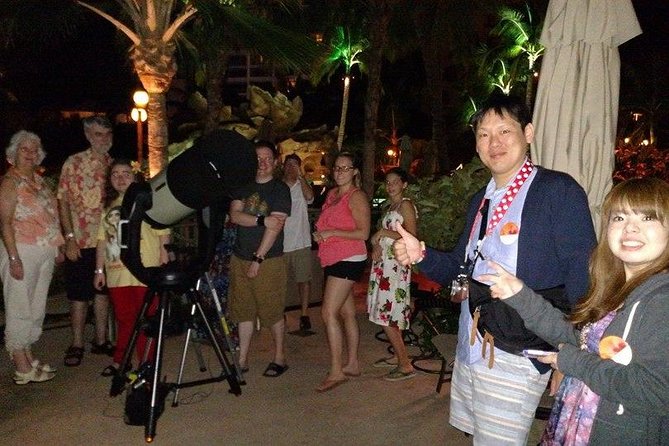
The activity lasts about one hour, and admission is included in the price. The exact sequence can change with the weather and what is visible, but you can expect a guided introduction followed by telescope viewing and sky interpretation.
At the beginning, Greg sets the scene. He may explain how the night sky appears from Hawaii, introduce Polynesian navigation, and point out useful stars or patterns. This opening gives you a framework, so the telescope viewing does not feel like a random series of bright dots.
The group then turns to the telescope. You might start with a familiar object such as the moon before moving to planets, star clusters, or more distant targets. The moon can be especially rewarding because its craters are visible in sharp relief through strong equipment.
Saturn is another major possibility when it is in a good position. Seeing its rings directly through a telescope is different from seeing a photograph. The object is small, but its shape becomes clear enough to make the experience memorable.
Some people also receive photographs from the viewing, including images of the moon taken through the telescope. The availability and quality of those images may depend on the object, the equipment, and the weather, so consider them a bonus rather than the main reason to book.
Clouds can alter the schedule at any moment. A partly cloudy night might still allow a few fine views, but it can interrupt the session and prevent the telescope from finding more distant targets. The guide may adapt, wait for openings, or end the event if conditions are not good enough.
More shows and performances in Oahu:
- Oahu: The Magical Mystery Show! at Hilton Waikiki Beach Hotel
★ 5.0 · 2,754 reviews - Waikiki Luau Buffet with Optional Rock-A-Hula Show Ticket
★ 4.5 · 1,572 reviews - Honolulu: Ka Moana Lūʻau at Aloha Tower – Oceanfront Luau Show
★ 4.0 · 1,216 reviews - Honolulu: Three Star Deluxe Sunset Dinner Cruise and Show
★ 4.5 · 1,204 reviews
Weather is the real risk
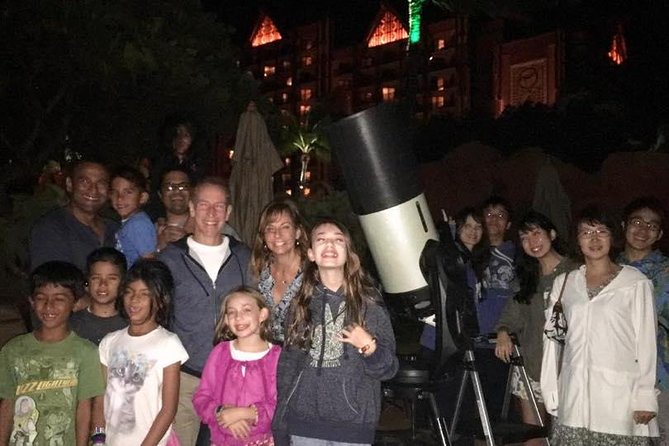
Stargazing requires a clear enough sky, and Oahu’s weather can change quickly. The provider sends a text about weather status by 6 p.m. on the day of the event, but conditions can still worsen later.
If poor weather cancels the show, you are offered another date or a full refund. That policy is important, especially because many people schedule this activity near the end of an Oahu vacation. A replacement date is not useful if you are flying home the next morning, so think about booking earlier in your stay when possible.
The cancellation policy for your own plans is different. You can cancel for a full refund up to 24 hours before the start time. Cancellations or changes made inside 24 hours are not refunded, except when the provider cancels because of poor weather.
I see the weather rule as a strength, even though it creates an inconvenience. A telescope show under thick cloud cover is not worth paying for, and a responsible operator should not run a full-price event simply to keep the schedule. Still, you should build some flexibility into your plans.
Do not make this your only possible evening activity. If the forecast looks uncertain, have a nearby dinner or resort plan ready. That way, a cancellation will not spoil the night.
Is the $49 price worth it?
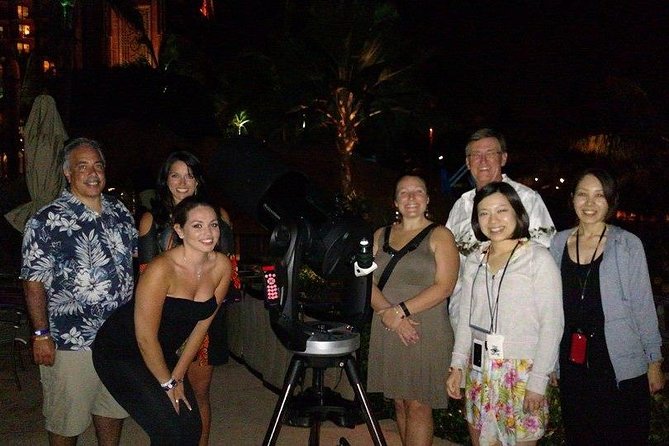
At $49 per person, this is not a casual free resort activity. You are paying for a professional guide, specialized equipment, a small group, and a focused one-hour program.
The value depends on your interest in astronomy. If you already own a good telescope or want a long observing session, the short duration may feel limited. The experience is also not a full observatory visit with hours of independent viewing.
For most visitors, the price is easier to justify because the activity combines several things in one package. You receive telescope viewing, an astronomy presentation, Hawaiian and Polynesian cultural context, and the chance to ask questions in a small group. A clear view of Saturn’s rings or the moon’s surface can make the cost feel reasonable.
The small group is a key part of the value. A large crowd could turn telescope viewing into a quick look from the back of a line. With a maximum of 25 people, you have a better chance to participate directly.
The setting can affect the value, too. Resort lights may reduce the number of stars visible to your eyes, and one past experience found the sky too bright and the telescope images underwhelming. That does not mean every night will be the same, but it is a fair reason to keep expectations realistic. This is convenient resort stargazing, not a remote mountain observatory.
Who will enjoy it most
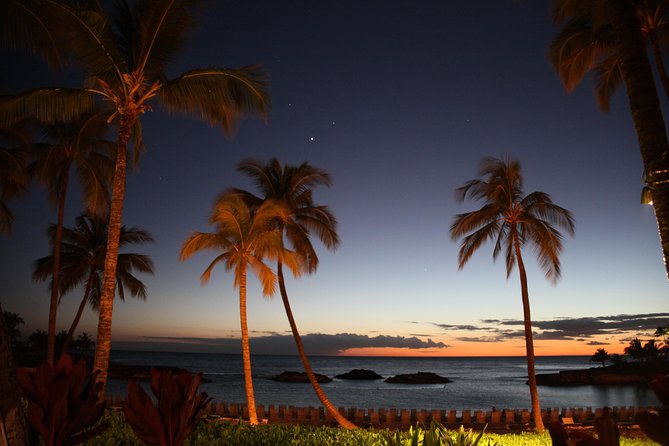
I would recommend this for adults who enjoy science, couples looking for a quiet evening activity, and families with older children. The presentation is family-friendly, but the telescope and the need for patience make it less suited to babies or toddlers.
Children should be accompanied by an adult. A child who likes planets, space missions, or science questions may get a great deal from Greg’s explanations. A child who needs constant movement may find one hour of sky watching slow.
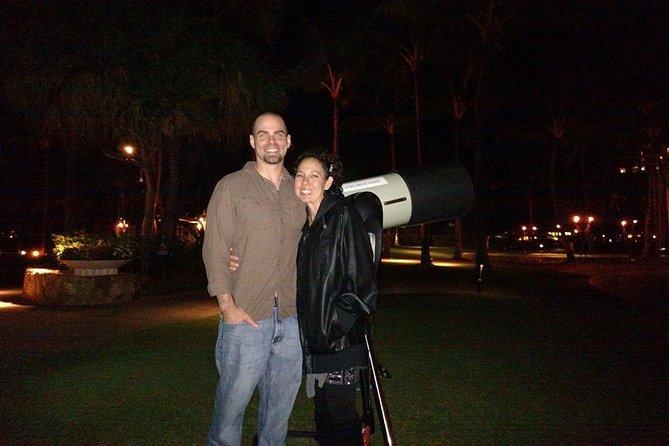
Couples can treat it as a calm evening outing rather than a formal dinner attraction. The romantic appeal is obvious, but the show is not built only for couples. The family and educational side is just as important.
People with limited mobility can participate, and the activity is equipped for wheelchairs. Service animals are allowed, though regular pets are not permitted on the hotel property or during the show.
You should also be comfortable with an English-language presentation, since the activity is offered in English.
Getting there and avoiding confusion
Transportation to and from the attraction is not included. You need to make your own way to the Four Seasons area in Ko Olina, and the activity ends back at the meeting point.
Because the resort has several buildings and controlled access points, give yourself time to find the spa. The rooftop tennis court is not the same as the main hotel entrance. Look for the Naupaka Spa and Fitness Center and the golden elevators on the first floor.
The meeting instructions are the detail most likely to cause trouble. If you arrive at the main hotel and assume the show begins there, you may lose time finding the correct building. Keep your phone available for the weather message and any day-of communication.
Covered shoes are recommended, and light smart-casual clothing should work well for the resort setting. You will be outside or in an open rooftop area, so clothing that remains comfortable during an evening wait is a sensible choice.
My practical verdict
I would book the Star Tour Show at Ko Olina if you want more than a standard sunset or resort evening. The strongest reasons are the powerful telescope, Greg McCartney’s mix of astronomy and Polynesian navigation, and the personal feel of a group limited to 25 people.
I would not book it as a fixed, must-happen event on the final night of your vacation. Weather can cancel the show, clouds can reduce what you see, and the resort location may not provide the darkest sky on Oahu.
Book it early enough in your stay to allow a rescheduled date. Arrive early, confirm the location, keep your phone nearby, and treat the specific objects you see as weather-dependent. If you can accept those limits, $49 buys a memorable hour that connects Hawaii’s traditional wayfinding with the modern search for distant worlds.
FAQ
Where does the Star Tour Show take place?
The show takes place at the Four Seasons Oahu Resort in Ko Olina. The location may be the private Ocean Lawn facing the ocean or the Naupaka Spa and Fitness Center’s sixth-floor rooftop tennis courts above the hotel parking structure.
How long does the activity last?
The star show lasts approximately one hour.
Who leads the star show?
The show is hosted by Greg McCartney, a NASA Ambassador.
What might I see through the telescope?
Depending on the date and weather, you might see the moon’s craters, Saturn’s rings, planetary moons, star clusters, baby stars, a diamond star, or distant galaxies.
What happens if the weather is poor?
If poor weather cancels the activity, you are offered a different date or a full refund. A weather-status text is sent by 6 p.m. on the day of the event.
Can I cancel for a full refund?
Yes. You can cancel at least 24 hours before the experience start time for a full refund. Cancellations or changes made less than 24 hours before the start time are not refunded.
Newest Oahu write-ups
- West Oahu: Eco-Friendly Whale Watching Cruise★ 4.5 · 40 reviews
- Oahu: Waikiki Eco-Friendly Morning Whale Watching Cruise★ 4.4 · 119 reviews
- Oahu: Circle Island Tour with Lunch & Waimea Waterfall★ 4.4 · 134 reviews
- West O’ahu: Dolphin Watching and Snorkeling Catamaran Cruise★ 4.5 · 31 reviews
- West O’ahu: Swim with Dolphins Catamaran Cruise★ 4.9 · 70 reviews
- Oahu: Waimea Falls & valley & North Shore day★ 5.0 · 4 reviews
- Honolulu, Oahu: Waikiki Turtle Snorkel Tour w/Shuttle Option★ 3.6 · 81 reviews
- Waikiki: Surf Lessons Easy 60 min classes no crowds!★ 4.9 · 21 reviews
Show, compared.
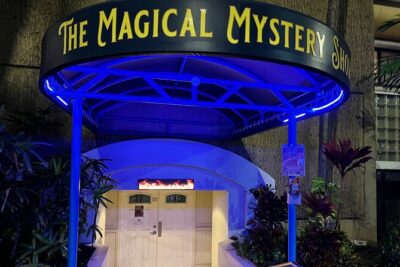
The Magical Mystery Show! at Hilton Waikiki Beach Hotel
Read our review →
Waikiki Luau Buffet with Optional Rock-A-Hula Show Ticket
Read our review →
Ka Moana Lūʻau at Aloha Tower – Oceanfront Luau Show
Read our review →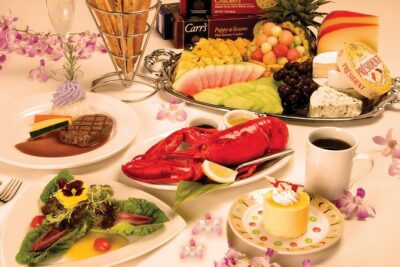
Three Star Deluxe Sunset Dinner Cruise and Show
Read our review →
Ka Moana Luau Dinner and Show at Aloha Tower
Read our review →

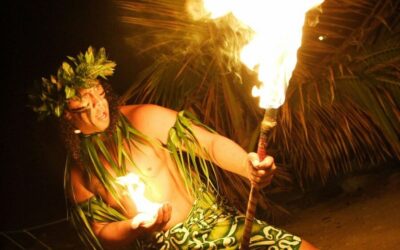
Germaine’s Traditional Luau Show & Buffet Dinner
Read our review →Browse the lists this tour appears in