
Reviewed · OAHU SCUBA DIVING
Oahu: Shallow Reef Scuba Dive for Certified Divers
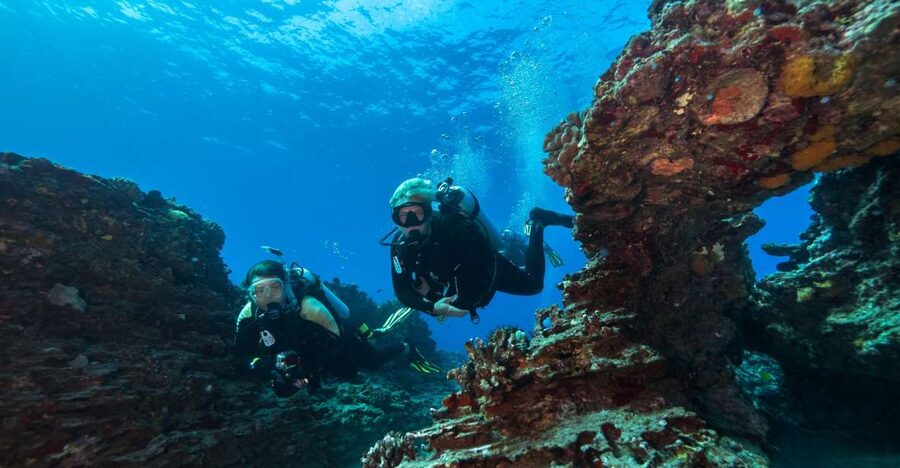
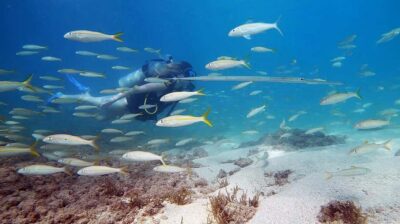
The most memorable part of this Oahu outing is the chance to visit two shallow reefs in one morning, with enough time to look closely instead of rushing past the wildlife. Turtle Canyons offers volcanic reef shapes and Hawaiian green sea turtles, while Kaiser’s may bring encounters with rays, octopus, reef sharks, and tropical fish.
I like the practical setup: quality rental gear and a PADI-certified instructor are included, and the 46-foot Newton boats provide room to get comfortable before entering the water. I also like that the crew has a reputation for careful organization and strong wildlife spotting. The main consideration is that you must arrive 30 minutes early, show proof of certification, and avoid flying for 24 hours afterward.
Key points
- Two guided underwater sessions: Spend about 75 minutes at each reef site, with snorkeling and scuba activity included.
- Turtle Canyons: Look for Hawaiian green sea turtles among volcanic reef formations and endemic fish.
- Possible larger sightings: White-tip reef sharks, rays, dolphins, and octopus may appear, though wildlife is never guaranteed.
- PADI-led support: Instructor Dan has been praised for keeping watch over the group and spotting sea life.
- Convenient Honolulu departure: Meet at Dive Oahu in Ala Moana, with parking at Kewalo Basin or Ala Moana Beach Park.
- Built for certified participants: Bring proof of certification, swimwear, a towel, sunscreen, and a sound ability to swim.
Two shallow reefs in three hours
This is a compact underwater trip for certified scuba participants who want to see Oahu below the surface without committing to a full-day boat excursion. The total time is three hours, including a 25-minute safety briefing and two guided reef sessions of about 75 minutes each.
The plan is simple. You meet at Dive Oahu in Ala Moana, complete waivers and equipment fitting, listen to the safety talk, then head out to two Southern Oahu reef sites. The boat returns to the same starting point after the second session.
I like this format for a Honolulu itinerary because it leaves much of the day open. You can spend the afternoon at Ala Moana, Waikiki, or another part of the island instead of losing a full day to an ocean trip. At the same time, two 75-minute sessions give you far more than a quick introduction.
The word shallow matters here. These are reef outings rather than technical or deep-water expeditions, making them a good match for certified participants who want a relaxed look at Hawaii’s marine life. You still need to be in good health and able to swim, and the crew expects you to understand spoken English during the safety briefing and in-water instructions.
More dive trips in Oahu:
- First-Time Scuba Diving in Honolulu + Free Videos
★ 5.0 · 3,123 reviews - Beginner Scuba Diving Experience with Video Package in Honolulu
★ 5.0 · 877 reviews - Certified Diver: 2-Tank Deep Wreck and Shallow Reef Dive Off Oahu
★ 5.0 · 331 reviews
Meeting the crew at Ala Moana
You meet at Dive Oahu in the Ala Moana area. Plan to be at the harbor 30 minutes before the scheduled start, not at the listed departure time. That extra half-hour allows the crew to handle waivers, fit equipment, and make sure everyone is ready before boarding.
If you drive, Kewalo Basin parking costs $2 per hour. Ala Moana Beach Park offers free parking, though you should allow time to find a space and walk to the meeting point. This is one of those small Honolulu details that can make the difference between a calm start and a rushed one.
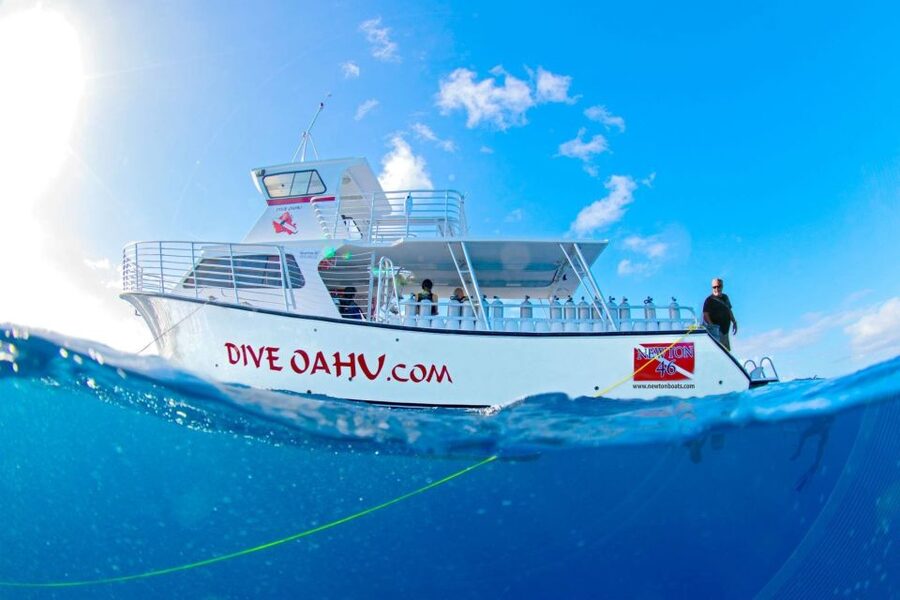
The boat is one of Dive Oahu’s 46-foot Newton boats. That gives you a more substantial platform than a small open skiff, along with the basic comfort and amenities needed for a three-hour ocean trip. The exact boat assigned can vary, but the listed operation uses these Newton boats for the outing.
Past trips have included Captain Nacho and instructor Dan. Dan has been especially noted for looking after the group and spotting marine life. That matters in Hawaii, where a turtle or white-tip reef shark may be easy to miss if you are focused only on your equipment or buoyancy.
The 25-minute safety briefing
The safety briefing lasts about 25 minutes in Honolulu. This is not wasted time. It is where you review the plan, listen to local instructions, complete the practical steps for the boat, and get settled with your equipment.
You must show proof of certification from PADI or another approved scuba course before boarding. Bring the actual certification information you normally use for scuba activities. Without it, you may not be allowed onto the boat.
The crew also needs you to be in good health and able to swim. This is not a passive sightseeing cruise. You will enter the ocean, manage your equipment, and follow spoken instructions in English. If you have a medical concern or are unsure about your readiness, deal with that before booking.
One important planning rule is easy to overlook: you must not fly within 24 hours after the outing. If you are leaving Oahu by air the same day or next morning, this activity may not fit your schedule. Put it early enough in your trip, or leave a full 24-hour buffer before your flight.
First stop, Southern Oahu reef country
The first guided session lasts about 75 minutes. The exact order of the reef sites can change, but Kaiser’s and Turtle Canyons are among the featured locations.
Southern Oahu’s underwater setting comes from the island’s volcanic origin. Below the surface, reef formations create ledges, channels, and sheltered areas where fish and other marine life gather. The water is described as clear and turquoise, which helps you see the shape of the reef and gives the guide a better chance to point out animals.
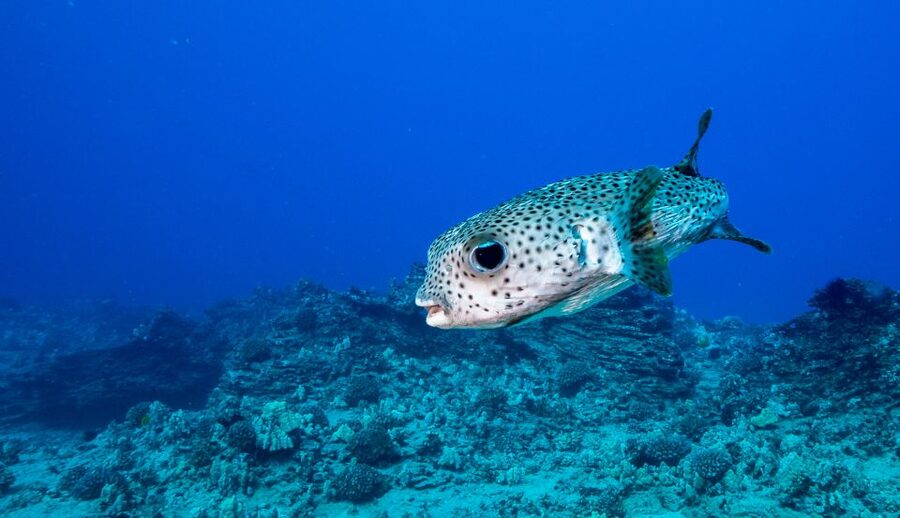
Kaiser’s is one of the popular reef sites included in the trip. The attraction is not a single guaranteed animal, but the variety of life that can appear around a shallow reef. You might spot rays moving over the bottom, an octopus tucked into a crevice, or tropical fish moving through the rocks.
The crew also watches for larger animals. White-tip reef sharks have appeared on past outings, and dolphins are among the possible sightings. You should treat these as welcome surprises, not promises. Marine life follows its own schedule, and no responsible operator can guarantee a particular animal.
Snorkeling is also part of the listed activity. That gives the outing some flexibility for people who want a surface break between scuba sessions, though the main focus is the certified underwater experience.
Same island, a completely different kind of day:
- Oahu Grand Circle Island and Haleiwa Tour: 9-Hr Deluxe Experience
★ 5.0 · 17,387 reviews - Oahu: Grand Tour Around Island 16 Locations plus Snorkeling
★ 5.0 · 8,669 reviews - Parasailing Experience in Waikiki, HI
★ 5.0 · 7,692 reviews - Salute to Pearl Harbor Including USS Arizona
★ 4.5 · 7,433 reviews
Turtle Canyons and Hawaiian green sea turtles
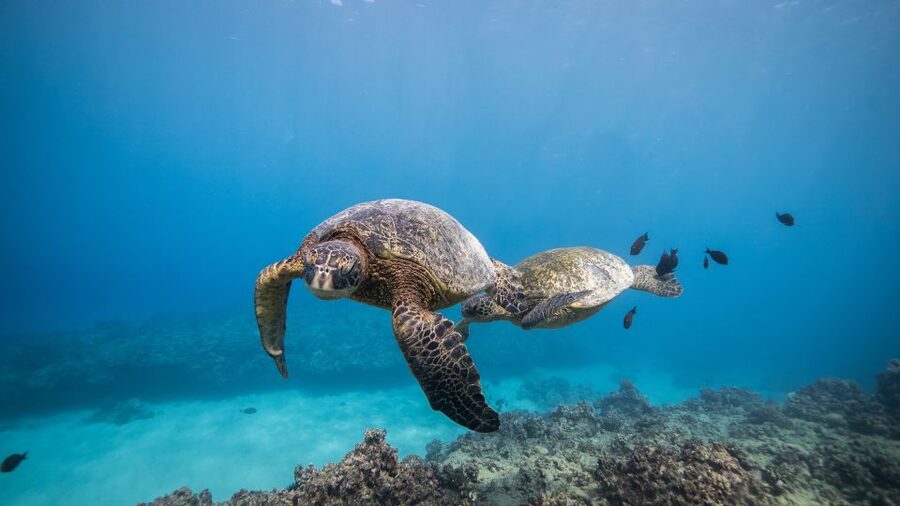
Turtle Canyons is likely to be the most distinctive stop for many people. Its volcanic reef shapes create a natural setting for Hawaiian green sea turtles, and the site is known for encounters with these animals in their normal habitat.
The appeal is simple: you are not watching turtles in a tank or from a crowded viewing platform. You are sharing the water with them. Keep a respectful distance, let the animals move freely, and listen to the guide’s instructions about how to behave around wildlife.
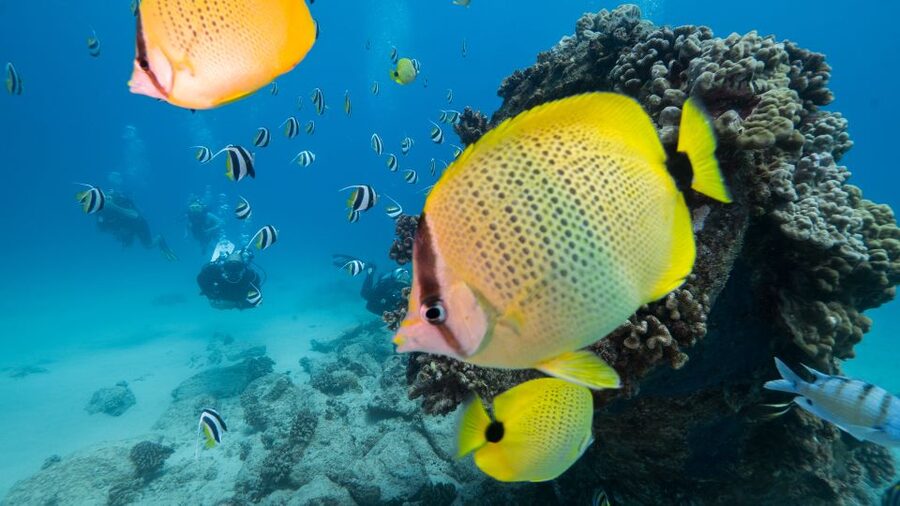
Hawaiian green sea turtles are the star here, but they are not the only attraction. The area can also reveal endemic Hawaiian fish such as the gold ring surgeonfish. With luck, you might spot less common fish including saddleback butterflyfish or flame angels.
The reef formations matter as much as the animals. Volcanic rock gives the site shape, and those contours create the canyons, openings, and resting places that make the area interesting to explore. I would pay attention to the reef itself rather than scanning only for turtles. The best moments can be a small fish tucked into the rock or an octopus changing position in a shadow.
A second 75-minute session
After the first session, you return to the boat for a surface interval before the second 75-minute guided session. The supplied details do not specify a particular lunch or meal, but snacks and refreshments are included, which is useful after time in the water.
The second session gives you another chance to spot wildlife and settle into the rhythm of the outing. If the first session feels busy because you are adjusting your mask, buoyancy, or camera, the second allows you to pay more attention to the reef.
This is also where the guide’s role becomes valuable. A good spotter can notice the shape of a resting turtle, a shark passing farther away, or an unusual fish hidden near the reef. Past outings have been especially praised for careful organization, friendly staff, and strong wildlife spotting.
You should not expect the two locations to feel identical. Conditions and animal activity can change from one reef to the next, and the experience depends on visibility, current, weather, and the behavior of the wildlife. That uncertainty is part of the appeal, but it is also why you should book this for the underwater setting itself, not for a guaranteed shark or dolphin encounter.
What the $248 price includes
The cost is $248 per person. That is not a bargain-basement ocean trip, but the price includes the major pieces that can add up quickly: a three-hour guided outing, a PADI-certified instructor, boat transportation to two reef sites, premier gear rental, snacks, and refreshments.
For a certified participant who needs equipment, the package is easier to assess because you are not separately arranging tanks, regulators, exposure gear, or a guide. You are paying for a structured outing with two substantial reef sessions rather than a short single-site swim.
The value is strongest if you want convenience and guidance. The price may feel less attractive if you already own all your equipment and prefer to arrange an independent boat charter. Even then, the included instruction, boat access, and two-site schedule can make the package worthwhile for a visitor with limited time.
Optional add-ons include GoPro rental, a DPV underwater scooter, Nitrox tank rental, a private guide, and a private photographer. These are requested during booking and cost extra. Consider them only if you know you will use them. The standard outing already gives you a full three-hour plan, so add-ons are not essential to enjoy it.
Equipment, comfort, and practical preparation
Premier gear rental is included, and the equipment has made a good impression on past outings. Still, bring your own certification information and arrive early enough for proper fitting. Rushing through equipment checks is a poor way to begin any scuba activity.
Pack swimwear, a towel, and sunscreen. Snacks and refreshments are provided, but you should eat appropriately before the trip and bring any personal items you need for three hours around the water.
A GoPro can help you record turtles and reef scenes, but cameras can distract you from buoyancy and from the guide’s signals. If you rent one, use it sensibly and keep your attention on the group and the animals.
The listed activity is wheelchair accessible. Because boats and harbor boarding can involve specific practical details, anyone who needs accessibility support should confirm the exact arrangements with Dive Oahu before arrival.
Children under 10 cannot join, and pregnant women should not book this activity. The outing is aimed at certified adults and older children who meet the health, swimming, language, and certification requirements.
Who should book this Oahu scuba outing
This is a good choice for you if you are already certified, want two reef locations, and prefer a guided plan over arranging every detail yourself. It also suits a short Honolulu stay because the three-hour schedule leaves time for other activities.
It is especially appealing if turtles are high on your list. Turtle Canyons offers one of the clearest reasons to choose this particular trip, while the possibility of reef sharks, rays, octopus, dolphins, and unusual fish adds variety.
You may want a different option if you are not certified, cannot swim comfortably, do not understand spoken English, or plan to fly within 24 hours. It is also not the right fit if you want a guaranteed animal encounter or a private, highly customized outing without paying for add-ons.
The strongest practical praise has focused on friendly staff, good equipment, a convenient location, and a well-organized operation. Those are not flashy extras, but they matter when you are handling tanks, entering open water, and trying to enjoy the reef without worrying about the basics.
Should you book it?
Book this Oahu reef outing if you have current scuba certification, want two guided shallow-water sessions, and value solid equipment and crew support. The combination of Turtle Canyons, possible turtle sightings, and a second reef stop makes the $248 cost reasonable for a time-efficient Honolulu experience.
Before booking, check your flight schedule, confirm your certification documents, and leave room for the 30-minute early arrival. If those details work, this is a practical way to see Oahu’s underwater world with experienced support, without giving up an entire day.
FAQ
How long does the Oahu shallow reef scuba outing last?
The activity lasts three hours, including a 25-minute safety briefing and two guided reef sessions of about 75 minutes each.
Where does the activity begin and end?
You meet at Dive Oahu in Ala Moana and return to Dive Oahu after the two reef sessions.
Do I need scuba certification?
Yes. You must show proof of certification through PADI or another approved scuba course before boarding the boat.
Which reef sites might I visit?
The featured sites include Kaiser’s and Turtle Canyons. The exact order of the locations is not specified.
What marine life might I see?
Possible sightings include Hawaiian green sea turtles, rays, octopus, dolphins, white-tip reef sharks, gold ring surgeonfish, saddleback butterflyfish, and flame angels. Wildlife sightings are not guaranteed.
What is included in the price?
The $248 price includes a PADI-certified instructor, the three-hour guided outing, access to the reef sites, gear rental, snacks, and refreshments.
How early should I arrive?
You must be at the boat harbor 30 minutes before the scheduled start time for waivers and equipment fitting.
Can I fly after the activity?
No. You must not fly within 24 hours after scuba activity, so plan the outing with enough time before any flight.
Newest Oahu write-ups
- Private Surf Lessons in Honolulu★ 5.0 · 76 reviews
- Private Round-Trip Transfer: Honolulu International Airport to Hotel or Cruise Terminal★ 4.0 · 34 reviews
- Private Pearl Harbor USS Arizona Memorial★ 4.5 · 3 reviews
- Private Pearl Harbor and Mini Circle Island Tour from Waikiki★ 5.0 · 8 reviews
- Passport to Pearl Harbor “Private”★ 5.0 · 4 reviews
- Pearl Harbor USS Arizona and USS Missouri “Private”★ 5.0 · 10 reviews
- Private Tour Oahu – up to 6 passengers – Customizable★ 5.0 · 3 reviews
- Private One-way Airport Transfer Honolulu Airport To Honolulu★ 4.0 · 24 reviews
Oahu Scuba Diving, compared.
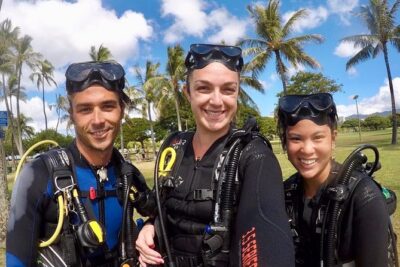
First-Time Scuba Diving in Honolulu + Free Videos
Read our review →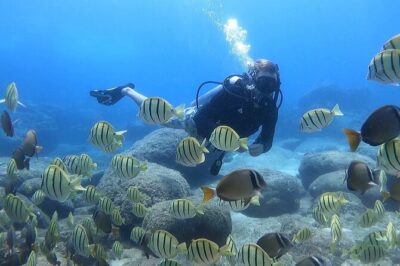
Beginner Scuba Diving Experience with Video Package in Honolulu
Read our review →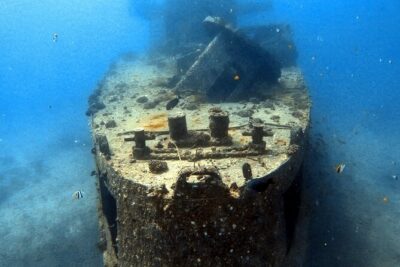
Certified Diver: 2-Tank Deep Wreck and Shallow Reef Dive Off Oahu
Read our review →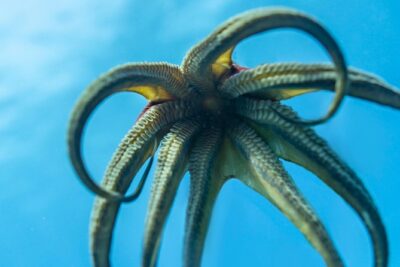
Incredibly Fun Coral Reef Giant Sea Turtles 4hour Boat Scuba Tour
Read our review →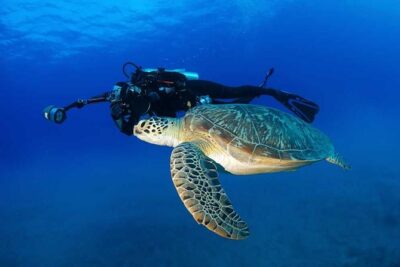
Certified Diver: 2-Tank Shallow Reef Dives off Oahu
Read our review →
Waikiki 2 Tank World Class Wreck SCUBA Diving – Certified Only
Read our review →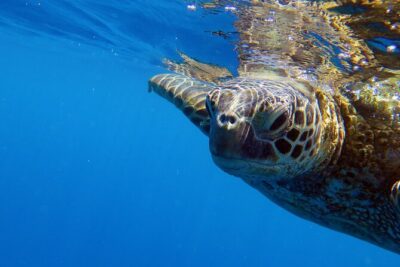
Browse the lists this tour appears in