
Reviewed · OAHU SNORKELING TOURS
Marine Ecology Snorkel from Electric Beach Oahu with Photos
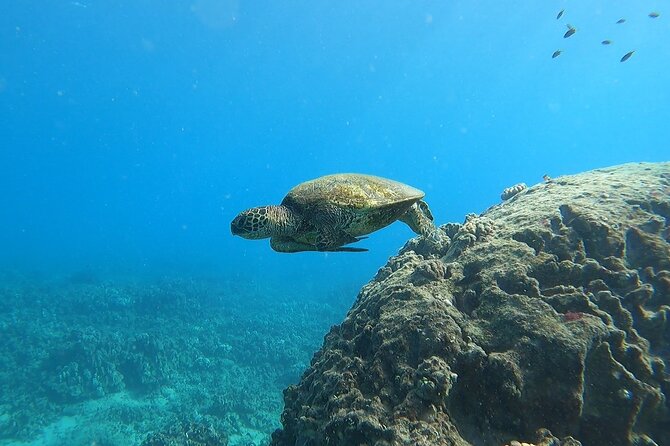
At Electric Beach, snorkeling becomes a small in-water classroom. Instead of simply pointing out fish, your marine biologist guide explains how coral, reef animals, and ocean conditions fit together. You spend about an hour in the water at Kahe Point Beach Park, with a good chance to see reef fish and sea turtles, and possible sightings of monk seals or eagle rays.
I like the very small group, limited to fewer than five people, and the chance to shape the briefing around your interests. I also like that the price includes gear and a photo package, so you can focus on the reef instead of sorting out equipment or trying to photograph yourself underwater.
The main thing to consider is the ocean itself. You need a moderate fitness level, and one family found that motion sickness made the first part difficult before everyone settled in. This is a weather-dependent activity, not a guaranteed wildlife show, so bring realistic expectations and be ready for changing water conditions.
Key points to know before booking
- Small-group format: The tour has a maximum of five people, giving you more room to ask questions and stay close to your guide.
- Marine biology focus: Learn about coral reef ecology, Hawaiian endemic species, and sea turtle ecology while you are in the water.
- One-hour snorkel: The total outing lasts about two hours, including the briefing and time spent exploring several marine habitats.
- Wildlife possibilities: You may see reef fish, sea turtles, monk seals, eagle rays, and other marine life.
- Useful extras included: Snorkel equipment and a complimentary photo package are part of the $125 price.
- Return to the starting point: Meet at 92-301 Farrington Highway in Kapolei, then finish back at the same location.
Why this Electric Beach snorkel feels different
Many snorkel outings are built around getting you into the water, showing you a few sights, and getting you back out. This one puts the explanation at the center. Your guide uses the reef as a living lesson, pointing out how species interact and why coral habitats matter.
That approach suits you if you want more than a quick look at colorful fish. You will hear about coral reef ecology, endemic species, and sea turtle ecology while you are actually looking at the habitat. The timing matters. A fact explained beside the animal or reef feature is easier to understand than the same information delivered in a long talk on shore.
The group limit also changes the feel of the outing. With fewer than five people, you can ask a question without holding up a large boat group. You can also tell the guide what interests you during the opening briefing. If turtles are your main goal, or if you care more about geology and reef structure, that conversation helps shape the time in the water.
Each outing can be different because ocean conditions and animal activity change. That is a strength for repeat visitors, but it also means you should not treat any particular animal sighting as guaranteed.
More snorkeling trips in Oahu:
- Oahu: Grand Tour Around Island 16 Locations plus Snorkeling
★ 5.0 · 8,669 reviews - Oahu’s Ultimate Tour: Dole, Turtle Snorkel, Pali Lookout & More
★ 4.5 · 5,461 reviews - Oahu Circle Island Tour with Turtle Snorkeling— Small-Groups
★ 5.0 · 5,214 reviews
Meeting at Kahe Point Beach Park
The activity begins at Kahe Point Beach Park, at 92-301 Farrington Highway in Kapolei. The tour ends at the same meeting point, which keeps the plan simple. The location is near public transportation, though the provided information does not specify routes, schedules, or transfer times.
Your first step is a short briefing. You learn about the snorkel site and the basics of Hawaii’s reefs, then have time to ask questions and explain your interests. This is an important part of the outing, especially if you are new to snorkeling or want the guide to focus on a certain type of marine life.
The briefing also gives you a chance to listen carefully to the safety information. The ocean can feel very different from a swimming pool, and the tour requires a moderate level of physical fitness. You should be comfortable taking part in an active water activity, though the guide support is designed to help the group stay safe.
The experience is offered in English. Snorkeling equipment is provided, so you do not need to arrange a mask, snorkel, or related gear separately.
One hour among several reef habitats
The main water session lasts about one hour. Rather than staying in one small patch, you explore multiple habitats and learn about the marine life you see in real time. That variety gives the guide more to discuss and helps you notice that a reef is not one uniform place.
The lesson is built around connections. A fish is not just a fish to identify and photograph. You learn how different animals fit into the wider reef system, along with the role of coral habitat and the pressures that affect it. This makes the outing a good match for families with curious children, students, and adults who prefer context over a simple species checklist.
The guides are also prepared to discuss more than animal names. One guide, Talia, is a marine biologist, and the teaching can include geology, geography, plant life, and animal life. Randy has a strong safety role, especially for people who are less confident swimmers. That combination can be useful for a mixed group, where one person wants detailed science and another mainly needs calm, clear support in the water.
You should expect to spend time looking, listening, and adjusting your attention to what is around you. The best part may not be the largest animal. It could be seeing a small reef fish in context, then understanding why that particular habitat matters.
Sea turtles, reef fish, and possible larger sightings
Reef fish and sea turtles are among the likely highlights. The tour is designed to help you understand turtle ecology, not simply spot a turtle and move on. If one appears, your guide can connect the sighting to the animal’s place in the reef community.
A monk seal or eagle ray may also appear, but these sightings are possibilities rather than promises. That distinction matters. Wildlife viewing depends on conditions, animal behavior, and luck. You should book this outing for the guided exploration and teaching first, then treat unusual sightings as an added benefit.
The small group helps here. If something interesting appears, a guide working with fewer than five people can keep the group focused and explain what you are seeing without the noise and distance of a large excursion. You also have a better chance to ask a follow-up question while the subject is still in view.
The complimentary photo package adds practical value. Underwater photography can be awkward when you are trying to manage a mask, snorkel, swimming position, and wildlife awareness at the same time. Having photos included means you can pay more attention to the water rather than constantly trying to document it yourself.
More Ko Olina and west-side days:
- Pearl Harbor History Remembered Tour from Ko Olina
★ 5.0 · 1,009 reviews - Ko Olina Catamaran Sail and Snorkel with Lunch
★ 5.0 · 630 reviews - Oahu: Dolphin Swim and Turtle Snorkel Excursion in Waianae
★ 4.8 · 590 reviews - West Oahu Dolphin Watch and Snorkel Sail with Lunch
★ 4.5 · 320 reviews
A good choice for nervous swimmers and families
This tour can work well for families, including children who feel unsure at first. One family’s experience began with nervous kids, but the guides helped them become comfortable and enjoy the water. Randy’s attention to less strong swimmers is particularly useful if your group has mixed ability levels.
That said, the tour is not presented as a beginner swimming lesson. You still need a moderate physical fitness level, and the ocean can be tiring or unsettling. If you are prone to motion sickness, take that seriously. One family found the first part difficult because of motion sickness, then adjusted fairly quickly. Their experience suggests that preparation may matter, but the supplied information does not specify medication guidance, so ask the provider any health questions before booking.
You should also consider the difference between being nervous and being unable to take part in an active ocean outing. The guides can provide safety support, but the description does not promise flotation instruction, specialized access arrangements, or a sheltered-water substitute.
For families, the teaching angle is a real plus. Children can learn how animals fit into an ecosystem while seeing the reef directly. The small group also makes it easier for a guide to answer a child’s very specific question, which is often where the best learning happens.
Is $125 a fair price?
At $125 per person, this is not the cheapest way to get a mask in the water. The value comes from what is bundled into the outing: a marine biologist-led lesson, a group of no more than five, all snorkel equipment, roughly an hour of guided water time, and a complimentary photo package.
A larger, simpler snorkel outing may cost less, but it may not offer the same level of personal attention or real-time explanation. If you only want to swim for a while and take your chances with fish, you may not need this format. If you want to understand what you are seeing and have room to ask questions, the price is easier to justify.
The photo package matters because it removes one extra purchase and one common distraction. The group size matters even more. With fewer than five people, the guide can adjust the pace, respond to concerns, and follow the group’s interests.
I would view the price as reasonable for a specialized, semi-private outing rather than as a basic snorkel rental. The strongest value goes to people who will pay attention to the science and use the guide’s expertise. If you plan to spend the whole time searching only for a turtle, the educational portion may feel less important to you.
Timing, weather, and what to plan for
Allow about two hours from start to finish. About one hour is spent snorkeling, with the rest used for the briefing and the practical beginning and ending of the activity. The exact rhythm can vary because no two outings are the same.
This experience requires good weather. If poor weather forces a cancellation, you can choose another date or receive a full refund. That policy is useful on an island where conditions can change, but you should avoid placing this activity too tightly against an important departure or connection.
You can cancel for a full refund up to 24 hours before the start time. Changes or cancellations made less than 24 hours before the activity are not accepted for a refund. The cut-off follows local time.
Since the tour is booked an average of 22 days ahead, planning early is sensible, especially if you want a particular day during a short Oahu stay. The maximum group size is five, so availability can be more limited than for a large boat excursion.
What makes the guides important
The guide is the heart of this experience. Talia brings marine biology knowledge and can explain the reef through science, geography, and species behavior. Randy focuses strongly on safety and comfort, which is valuable when the group includes people with different swimming abilities.
That combination creates a useful balance. You get a serious explanation of the reef without losing sight of the practical side of being in the ocean. A guide who can explain what you are seeing is helpful, but a guide who notices when someone is uncomfortable may matter just as much.
The teaching also includes respect for Hawaiian names and uses for species and places. That adds cultural care to the natural history lesson. You are not simply collecting names or checking animals off a list. You are being encouraged to think about the reef as a place with ecological and cultural meaning.
Who should book this experience?
I would choose this tour if you want:
- A small group instead of a crowded snorkel outing
- Clear explanations from a marine biologist
- A chance to ask questions and shape the lesson
- A family activity with support for less confident swimmers
- Included equipment and underwater photos
- A closer look at how reef species depend on one another
I would think twice if you want a long, relaxed swim with little instruction, or if you are uncomfortable with active ocean conditions. The duration is about two hours, and only about one hour is spent snorkeling, so this is a focused lesson rather than an all-day water trip.
Should you book the Electric Beach marine ecology snorkel?
Book it if the idea of learning while you snorkel sounds better than simply floating past fish. The combination of a maximum five-person group, marine biology instruction, possible sea turtle and monk seal sightings, included equipment, and photos gives the $125 price a clear purpose.
Choose another style of outing if your main goal is the lowest price or a long stretch of unstructured swimming. For everyone else, especially families and curious first-time snorkelers, this offers a thoughtful way to meet Hawaii’s reef life. Keep an eye on the weather, prepare for the physical demands, and arrive ready to ask questions.
FAQ
Where does the snorkel begin?
The activity begins at Kahe Point Beach Park, at 92-301 Farrington Highway, Kapolei, Hawaii 96707.
Where does the activity end?
The tour ends back at the meeting point.
How long does the experience last?
The experience lasts approximately two hours.
How long will I be snorkeling?
You will spend about one hour snorkeling in the water.
How many people can join the tour?
The tour has a maximum of five travelers.
Is snorkeling equipment included?
Yes. Snorkeling equipment is included in the tour price.
Are photos included?
Yes. You receive a complimentary photo package.
What marine life might I see?
You may see reef fish, sea turtles, monk seals, eagle rays, and other marine life.
What language is the tour offered in?
The experience is offered in English.
What happens if bad weather cancels the tour?
If poor weather causes a cancellation, you can choose a different date or receive a full refund. You can also cancel up to 24 hours before the start time for a full refund.
More photo sessions in Oahu
- From Waikiki: Best of Oahu Photo Tour with Pickup
★ 4.9 · 274 reviews - Beautiful Colors of Hawaii Photo Tour
★ 5.0 · 165 reviews - Private 1-on-1 Surf Lesson with Videos and Photos
★ 5.0 · 107 reviews - Flying Dress Photoshoot on Oahu
★ 5.0 · 92 reviews
Newest Oahu write-ups
- West Oahu: Eco-Friendly Whale Watching Cruise★ 4.5 · 40 reviews
- Oahu: Waikiki Eco-Friendly Morning Whale Watching Cruise★ 4.4 · 119 reviews
- Oahu: Circle Island Tour with Lunch & Waimea Waterfall★ 4.4 · 134 reviews
- West O’ahu: Dolphin Watching and Snorkeling Catamaran Cruise★ 4.5 · 31 reviews
- West O’ahu: Swim with Dolphins Catamaran Cruise★ 4.9 · 70 reviews
- Oahu: Waimea Falls & valley & North Shore day★ 5.0 · 4 reviews
- Honolulu, Oahu: Waikiki Turtle Snorkel Tour w/Shuttle Option★ 3.6 · 81 reviews
- Waikiki: Surf Lessons Easy 60 min classes no crowds!★ 4.9 · 21 reviews
Oahu Snorkeling Tours, compared.
Grand Tour Around Island 16 Locations plus Snorkeling
Read our review →
Oahu’s Ultimate Tour: Dole, Turtle Snorkel, Pali Lookout & More
Read our review →
Oahu Circle Island Tour with Turtle Snorkeling— Small-Groups
Read our review →
Turtle Canyon Snorkel Adventure in Waikiki, Oahu
Read our review →
Waikiki Catamaran Snorkel Sail with Lunch: Turtles Guaranteed
Read our review →
Oahu Dolphin and Snorkel Tour with Waikiki Pickup & Lunch
Read our review →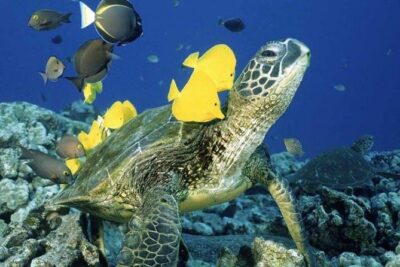
Waikiki Turtle Snorkel and Sail on Hawea Catamaran
Read our review →Browse the lists this tour appears in