
Reviewed · WALKING TOURS
Honolulu’s Waikiki Self-Guided Walking Audio Tour
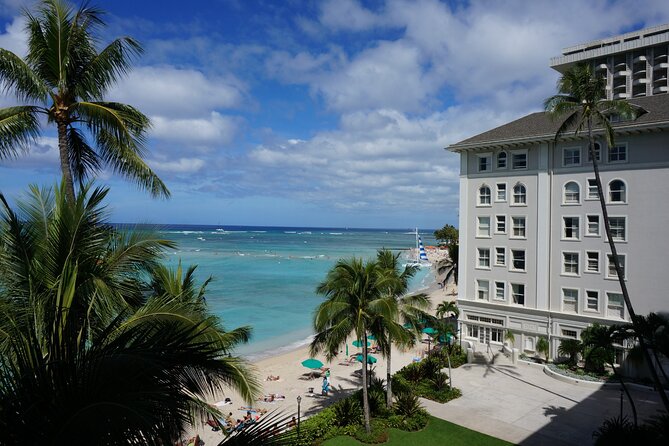
Waikiki’s best stories are often hidden in plain sight: a healing shoreline, a princess’s former home, a concrete seawall, and the beach where Duke Kahanamoku helped make surfing famous around the world. This self-guided audio tour ties those places together with more than 45 stories.
I like the freedom to start when you want and pause for swimming, photos, lunch, or a cold drink. I also like the price: at $9.99 per person, it costs less than most guided walks and gives you lifetime access, not just one afternoon.
The catch is the route. It covers more than 14 miles, while the shorter description suggests one to two hours and the detailed instructions estimate two to three hours. You will need to follow the app’s route and perhaps split the experience across several walks rather than expect a quick stroll.
Key Points About the Waikiki Audio Walk
- More than 45 audio stories: Learn about Hawaiian royalty, ancient healing places, surfing, historic hotels, and Waikiki’s shoreline.
- GPS-triggered narration: Stories begin as you reach each point, so you can keep your phone in your pocket and walk hands-free.
- Lifetime access: Use the tour on any day, over several days, and on future trips to Oahu.
- Free outdoor stops: The route visits beaches, statues, walkways, and public landmarks rather than attractions requiring admission.
- Offline operation: Download the tour over strong Wi-Fi or cellular service, then use it without a signal.
- Flexible but long route: The listed stops take about 10 minutes each, but the full route is more than 14 miles.
What This Waikiki Tour Actually Covers
This is not a guided group walk with a person waiting at the meeting point. It is an audio route that you open on your phone, follow with GPS, and control yourself.
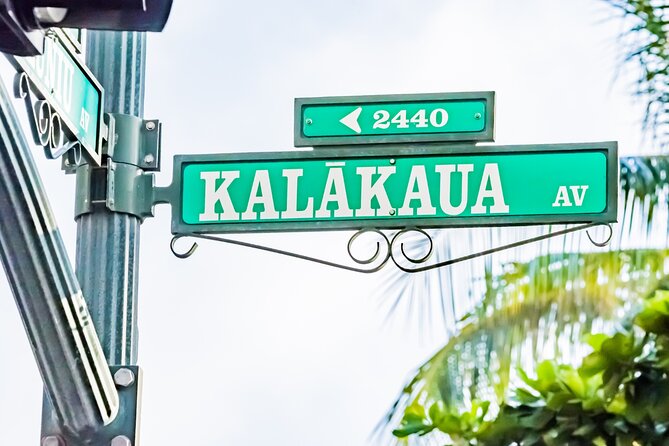
The tour begins near the Brothers In Valor memorial at 2081 Kalākaua Avenue and ends at the Waikiki Walkway by the Waikiki Wall. Along the way, it focuses on the stretch of Waikiki where beaches, hotels, statues, surf culture, and Hawaiian history overlap.
The supplied stop list includes 10 main locations, but the full program contains more than 45 audio stories. That explains the route’s longer distance and the different time estimates. The 10 listed stops alone could take about 100 minutes if you spend the suggested 10 minutes at each one. Add walking time, photos, and pauses, and two to three hours is a sensible estimate for a brisk version.
If you prefer a short outing, use the pause function and treat the tour as a series of smaller walks. The lifetime access makes that practical. You do not need to finish everything in one go.
More Walking Tours in Honolulu
- Honolulu Haunts: Ghosts and Spirits Walking Tour
★ 4.2 · 169 reviews - Honolulu Downtown Walking Tour
★ 5.0 · 149 reviews - Ghosts of Old Honolulu Walking Tour
★ 4.5 · 53 reviews
Kawehewehe and Waikiki’s Healing Waters
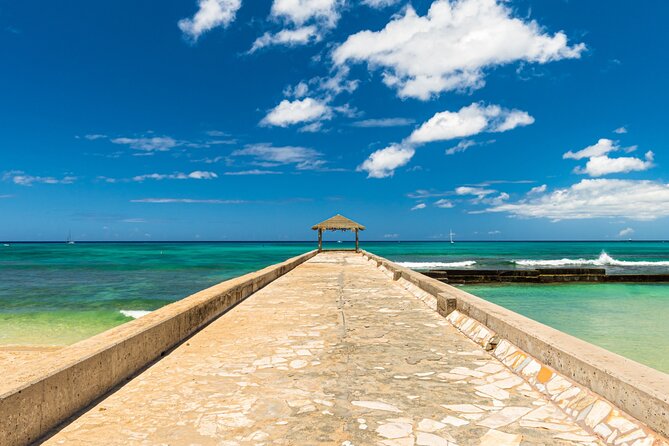
The first major stop is Kawehewehe, a place marked by a change in the color of the water. Darker blue surrounds a lighter blue patch where the ocean floor is sandy and clear.
This was one of four ancient healing sites in Waikiki. The audio story gives the shoreline a meaning beyond sunbathing and hotel views. You begin to see the beach as a place connected to Hawaiian beliefs and traditional healing, not simply as a resort setting.
The stop is free, and you can spend about 10 minutes listening and looking toward the water. Keep in mind that this is an outdoor public setting. Conditions at the beach, foot traffic, and noise can affect how clearly you hear the narration, so earbuds are a smart choice.
Bali Oceanfront and the Sea’s Role in Hawaiian Life
At Bali Oceanfront, the focus shifts to the ocean as a source of life for Hawaiian people. The story reaches back to the first Polynesian settlement of the islands, dated here to between 400 and 1100 CE.
This is useful context because Waikiki can feel heavily shaped by modern tourism. The audio helps you connect the present shoreline with the ocean skills, food sources, travel, and daily life that made settlement possible long before the hotels arrived.
You get about 10 minutes at this stop, though there is no reason to rush. The route is designed for listening while walking, so you can continue along the waterfront as the story plays. If your app directs you along a path that has changed since the tour was created, stay alert and use a nearby safe route. One piece of feedback noted that a former boardwalk may no longer match the route exactly, though the main street still allowed the narration to be followed.
Princess Kaiulani and Waikiki’s Royal Past
The statue of Princess Kaiulani introduces one of the most personal stories on the route. She was Hawaii’s last heir to the throne and remains one of Waikiki’s most beloved royal figures.
This stop gives you a break from the usual resort story. Instead of hearing only about hotels and surf culture, you learn about the people connected to Hawaii’s monarchy and the changes that shaped the islands at the end of the 19th century.
The audio portion is listed at about 10 minutes and admission is free. I would pause here rather than simply walk past. Statues are easy to overlook when you are concentrating on traffic, shops, and beach access, but this one helps put Waikiki into a larger Hawaiian setting.
More Honolulu tours:
- Pearl Harbor, USS Arizona Memorial & Honolulu City Tour
★ 5.0 · 4,866 reviews - Waikiki Trolley Hop-On Hop-Off Tour of Honolulu
★ 4.5 · 4,783 reviews - First-Time Scuba Diving in Honolulu + Free Videos
★ 5.0 · 3,123 reviews - Pearl Harbor, National Memorial Cemetery and Honolulu City Tour
★ 4.5 · 1,777 reviews
Duke Kahanamoku Lagoon and the Making of a Surfing Legend
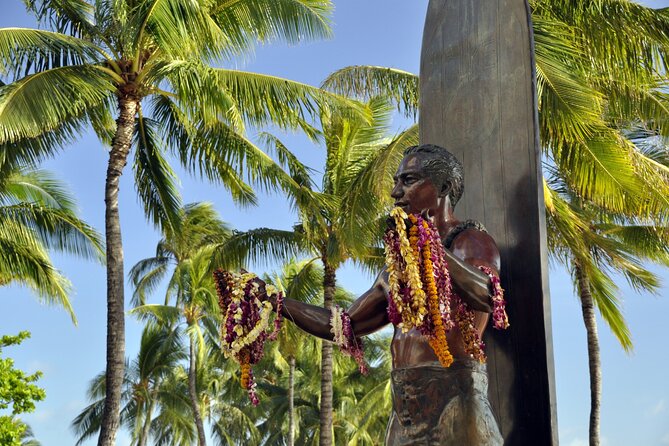
Duke Kahanamoku is the central figure of the tour. His story begins near the water, where he developed into a legendary surfer and later carried Hawaiian surfing to audiences around the world.
At Duke Kahanamoku Lagoon, you hear how his story followed Princess Kaiulani’s. After her death in 1899, Duke became one of Hawaii’s most admired public figures. His fame came not only from surfing. By the time he retired from Olympic competition in 1932, he had won three gold and two silver medals. He later served in World War II and held several terms as Honolulu’s sheriff.
The lagoon is also a practical pause point. The water is enclosed by concrete walls, making it calmer than some open beach areas. The tour information identifies it as a place suited to swimming and family time. You can listen, look across the water, and decide if you want to stop for a longer break.
The audio also explains how Duke helped trigger a worldwide interest in surfing. In the early 1900s, many people had never seen anyone surf. Watching Duke ride a wave changed that. This is one of the strongest parts of the tour because it connects a local athlete with a global sport.
The Royal Hawaiian Hotel and Waikiki’s Resort Era
One of the route’s historic hotel stories covers an iconic Waikiki property that opened in 1927. The hotel welcomed famous figures such as Marilyn Monroe, Franklin Roosevelt, and Duke Kahanamoku.
This stop shows how quickly Waikiki changed from a place of Hawaiian royalty, healing, and water-based life into an international resort destination. You are not just looking at an impressive hotel façade. You are hearing how the area became a stage for political leaders, film stars, and famous Hawaiian athletes.
The tour does not include hotel entry or reservations. You are listening from public areas along the route, so treat the stop as an exterior history lesson rather than a hotel tour.
The Moana Surfrider and a Darker Hotel Story
The Moana Surfrider brings a different tone. Built in 1901, it had Hawaii’s first electric-powered elevator, which is still in use.
The building is also linked to the unsolved murder of Jane Stanford, giving the stop a touch of mystery. That contrast works well: one detail is about early modern technology and luxury, while the other concerns a crime that has never been fully explained.
You get about 10 minutes here. The story is best for people who like architecture and unusual historical details, but it may feel less connected to Hawaiian culture than the stops focused on Kawehewehe, Princess Kaiulani, or Duke Kahanamoku.
Kuhio Beach and the Free Hula Show Area
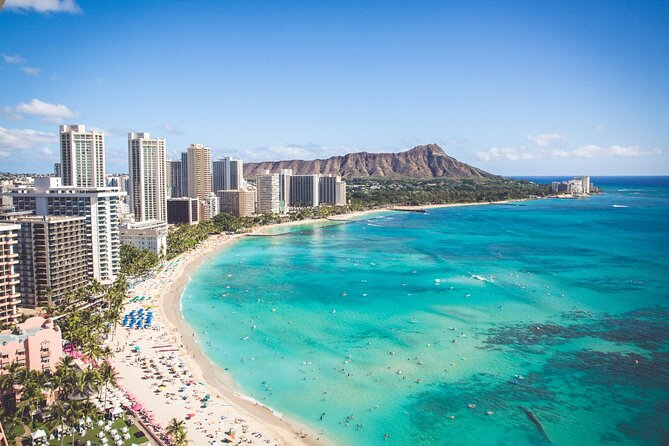
Kuhio Beach is presented as one of the best places in town for snorkeling and bodyboarding. Concrete walls extend into the ocean on both sides, creating calmer water for wading and for families with children.
This stop adds practical beach information to the historical narration. You can use the audio as a guide, then decide if you want to stay for water activities or simply sit near the shore.
The route also points you toward the Kuhio Beach Hula Show area. The experience itself does not include admission tickets or reserved seating, so the audio tour should not be treated as a ticketed performance package. It is a walking route that passes through a public beach area and explains what you are seeing.
Prince Jonah Kuhio Kalaniana’ole’s Waikiki Home
Another story introduces Prince Jonah Kuhio Kalaniana’ole, the youngest son of a high Hawaiian priest. He lived on this spot in Waikiki with his wife, Princess Elizabeth Kahanu.
This detail gives the route a direct connection to the area’s royal residents. You are walking through a place now filled with hotels and public paths, yet the narration reminds you that it was once home territory for Hawaiian leaders.
I appreciate this kind of stop because it does not require a grand monument to make a place meaningful. The audio supplies the context, then lets you look at the modern surroundings with that earlier story in mind.
The Waikiki Wall and the Coastline’s Concrete Edge
The Waikiki Wall may look out of place at first. It is a concrete structure extending into the water, and its practical shape contrasts with the tropical surroundings.
The audio explains that the wall has been part of Waikiki for so long that it has become part of the scenery. This is a small but useful lesson in how places change. Infrastructure that once seemed purely functional can become one of the area’s familiar landmarks.
You also hear about the old coastal defenses, including a concrete structure dating to 1904. President Taft demanded a Ring of Steel around Hawaii’s coast to protect the islands from attacking battleships. That detail adds military history to a route otherwise centered on beaches, royals, and surfing.
Be careful near the water and concrete edges. The tour is self-guided, so there is no guide beside you to manage the route or point out hazards.
Kalākaua Avenue and Duke’s Wider Legacy
The route continues along Kalākaua Avenue, Waikiki’s main urban corridor. This is where Duke Kahanamoku’s story expands beyond surfing.
His Olympic record is impressive, but his public life continued after competition. He served in World War II, worked as Honolulu’s sheriff, and used his public profile to bring attention and honor to Hawaii.
The avenue is also where you will feel the difference between an audio walk and a quiet historical path. You may be walking beside traffic, shops, hotels, and other pedestrians. That busy setting is part of Waikiki, but it can make listening harder. Keep the volume comfortable, use earbuds, and pause the narration if you need to cross a street or find the next point.
Makua and Kila, a Seal and a Surfer
The Makua and Kila statue depicts a young surfer with a Hawaiian monk seal. It is a lighter stop after the stories of royalty, military history, and unsolved crime.
The statue faces the beach and is easy to appreciate as a symbol of Waikiki’s connection with the ocean. The audio invites you to greet the pair with aloha, a simple moment that suits the family-friendly side of the route.
This is one of the stops where you can let children take the lead. The statue offers a clear visual target, while the story helps explain why marine life and surfing belong so closely together in Waikiki’s public identity.
Finishing at the Waikiki Walkway
The final stop is the Waikiki Walkway near the Waikiki Wall. It brings the tour back to Duke Kahanamoku and the values connected with him: surfing, swimming, joy, and the hope that these activities would continue after his death in 1968.
The ending works because it returns to the person who gives the route its strongest thread. You begin with ancient healing waters and royal Waikiki, move through hotels and modern tourism, and finish with the ocean culture Duke helped share with the world.
The route is listed as open daily from 6:00 AM to 9:00 PM. Those hours give you plenty of flexibility, but remember that beach conditions, heat, and crowds can affect your comfort. Early morning or late afternoon may make the walk easier, though the tour itself does not require a fixed start time.
Is $9.99 a Good Value?
At $9.99 per person, the tour is inexpensive if you want historical context without paying for a private guide. It includes the audio, GPS-triggered stories, offline maps, bonus material, and lifetime use.
The best value comes from the no-expiry policy. You can pause the route and return later, or use it again on a future Oahu trip. Couples can also share one tour by splitting headphones, which lowers the cost further if you are comfortable listening together.
The value is weaker if you want a short, tightly planned walk with a guide who can answer questions. The narrator cannot adjust the story to your interests, explain a confusing turn in person, or handle changes in the route. You also need your own phone and headphones.
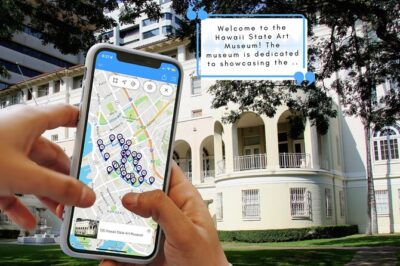
Download the Action Tour Guide app before you arrive. The setup email and text include a password, and the tour must be downloaded while you have strong Wi-Fi or cellular service. Once installed, it works offline. The password can be used on the same number of devices as the number of people booked.
Who Should Book This Experience?
I would choose this tour if you like setting your own pace, want background on Waikiki beyond the hotel strip, and are comfortable navigating with a phone. It suits independent visitors, couples, families, and anyone who may want to divide a long route over several days.
It is also a good first-day activity if you want to learn the basic shape of Waikiki. The stories point out beaches, statues, hotels, and public landmarks you may otherwise pass without noticing.
I would skip it if you want a short one-hour loop, a live guide, or a route with no phone use. The tour is in English only, and the full route is long. The app gives you flexibility, but you still need to pay attention to the route, street crossings, and your surroundings.
Free cancellation is available up to 24 hours before the scheduled start time. Inside that 24-hour window, the amount paid is not refunded.
FAQ
How long does the Waikiki audio tour take?
The experience is described as about one to two hours in its short estimate, while the detailed route is more than 14 miles with over 45 stories and is estimated at two to three hours. You can pause it and complete it over multiple walks.
Where does the tour start?
It starts at the Brothers In Valor memorial, 2081 Kalākaua Avenue, Honolulu, Hawaii 96815.
Where does the tour end?
It ends at the Waikiki Walkway near the Waikiki Wall in Honolulu.
Is a guide present at the meeting point?
No. This is a self-guided activity. You go to the starting point, open the Action Tour Guide app, and begin the first story yourself.
What language is available?
The tour is offered in English.
Do I need cellular service during the walk?
You need strong Wi-Fi or cellular service to download the tour before starting. After downloading, it works offline using the app and offline maps.
What devices are recommended?
An iPhone running iOS 15 or later, an Android device running version 9 or later, or an iPad or tablet with GPS and cellular connectivity is recommended.
Are admission tickets included?
No. The tour covers outdoor public places and does not include attraction passes, entry tickets, or reservations.
Should You Book the Waikiki Audio Tour?
Book it if you want an affordable, flexible way to connect Waikiki’s beaches with stories about healing traditions, Hawaiian royalty, historic hotels, and Duke Kahanamoku. The strongest reason to choose it is the lifetime access. You can use the route at your own pace instead of racing through it in one afternoon.
Just plan around the route’s real size. This is not merely a quick walk between a few landmarks. Download the audio in advance, bring earbuds, allow two to three hours for a brisk run, and be ready to pause over several days. If that suits your style, $9.99 buys a useful and easygoing introduction to Waikiki.
More walking tours in Oahu
- Self guided Hike Trail to Nature Walk & Waterfall
★ 4.5 · 283 reviews - Kualoa Ranch – Horseback Walking Tour
★ 4.0 · 145 reviews - Honolulu’s Walking Food Tour
★ 5.0 · 29 reviews - Waikiki: Waikiki Night Marchers Ghostly Walking Tour
★ 4.9 · 6 reviews
More Waikiki tours
- Parasailing Experience in Waikiki, HI
★ 5.0 · 7,692 reviews - Waikiki, Hawaii: Turtle Canyon Snorkel Excursion
★ 5.0 · 4,656 reviews - Waikiki Trolley Blue Line Coastline & Local Grindz Hop-on Hop-off
★ 5.0 · 4,159 reviews - Turtle Canyon Snorkel Adventure in Waikiki, Oahu
★ 5.0 · 3,197 reviews
Newest Oahu write-ups
- West Oahu: Eco-Friendly Whale Watching Cruise★ 4.5 · 40 reviews
- Oahu: Waikiki Eco-Friendly Morning Whale Watching Cruise★ 4.4 · 119 reviews
- Oahu: Circle Island Tour with Lunch & Waimea Waterfall★ 4.4 · 134 reviews
- West O’ahu: Dolphin Watching and Snorkeling Catamaran Cruise★ 4.5 · 31 reviews
- West O’ahu: Swim with Dolphins Catamaran Cruise★ 4.9 · 70 reviews
- Oahu: Waimea Falls & valley & North Shore day★ 5.0 · 4 reviews
- Honolulu, Oahu: Waikiki Turtle Snorkel Tour w/Shuttle Option★ 3.6 · 81 reviews
- Waikiki: Surf Lessons Easy 60 min classes no crowds!★ 4.9 · 21 reviews
Walking Tours, compared.

Self guided Hike Trail to Nature Walk & Waterfall
Read our review →


Honolulu Historic District a Smartphone Audio Walking Tour
Read our review →
Browse the lists this tour appears in