
Reviewed · HONOLULU TOURS
Honolulu: Liljestrand House Architectural Tour
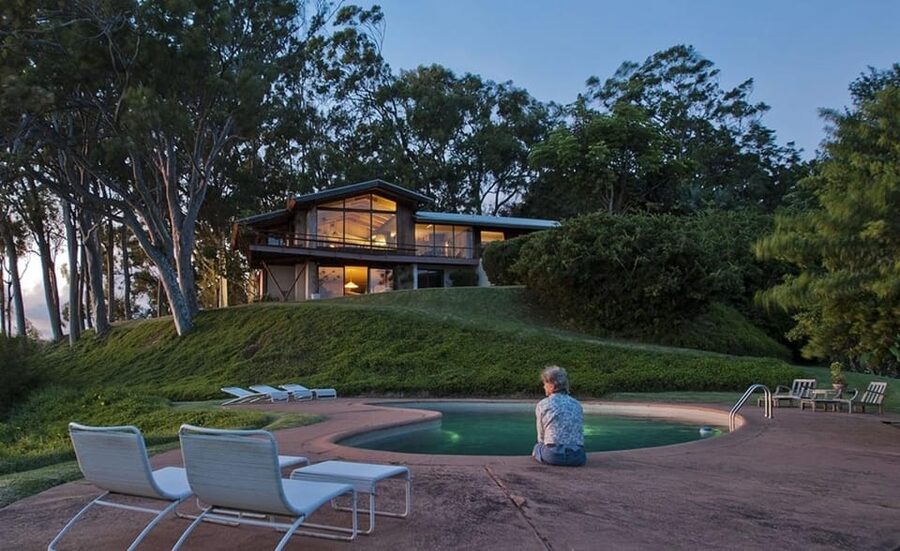
The Liljestrand House is a rare chance to see Hawaiian modern architecture as a lived-in home, not behind glass or reduced to a few photographs. Vladimir Ossipoff designed the house around its setting, natural materials, and carefully controlled views, while the original furnishings and artwork help explain how the Liljestrand family lived with the design.
I like the small group of no more than 10, which gives the 90-minute tour an intimate feel. I also like the chance to hear about Ossipoff from Perry, a guide who lived on the mountain and knew the architect personally. The main drawback is practical: the house has no air-conditioning, and summer or fall visits can feel hot.
Key points to know before booking
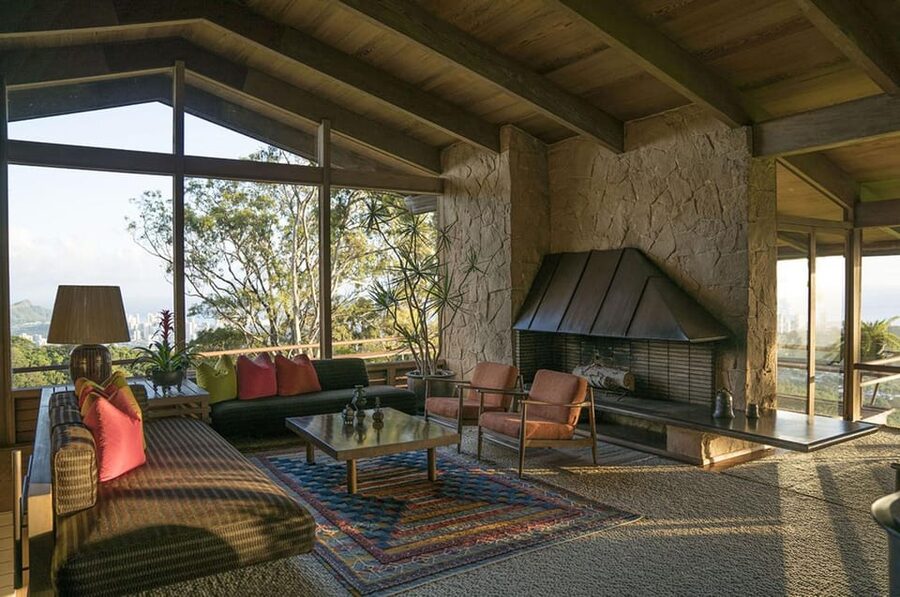
- See an original Ossipoff house: The Liljestrand House gives you a direct look at Hawaiian modern design in an intact residential setting.
- Study view management: The tour explains how windows, openings, and the house’s placement shape what you see and how the rooms feel.
- Meet the design through objects: Original furnishings and artwork remain part of the experience.
- Hear personal connections: Guide Perry can add first-hand context from knowing Vladimir Ossipoff.
- Expect a quiet, careful visit: Shoes must come off, and backpacks, large bags, tripods, extension poles, and selfie-sticks are not allowed.
- Plan for the heat: The house is not air-conditioned, especially important during summer and fall.
Why the Liljestrand House matters in Honolulu
Many architecture tours ask you to admire a facade from the street. This one takes you inside a complete home and shows how design works from room to room. That difference matters. You are not simply looking at lines, roofs, and materials. You are seeing how a family’s daily life fit into Ossipoff’s plan.
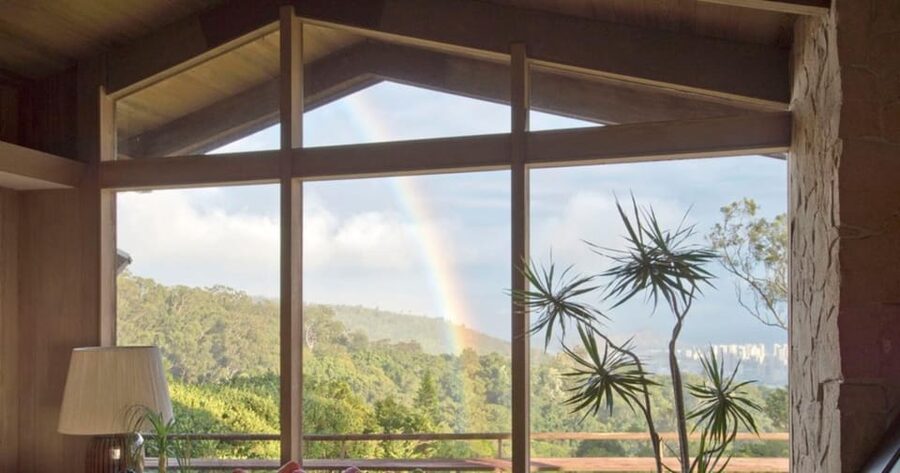
Vladimir Ossipoff is known for an approach that responded to Hawaii rather than copying mainland styles. At the Liljestrand House, the tour focuses on his use of natural materials and his skill with views. The idea is not just to place a large window wherever there is a nice outlook. It is to frame views with care, direct your attention, and connect the interior to the surroundings.
I like this kind of architecture visit because it gives you something to look for. Instead of hearing general praise about a famous architect, you can ask practical questions. Why does a room open in one direction? What does a particular material add? How do the furnishings help the house feel complete? The guide helps turn those questions into a clearer reading of the building.
The house also carries a personal story. The Liljestrand family had an enduring friendship with Ossipoff, and that relationship shaped the home’s place in Honolulu’s architectural story. You get both the formal side of the tour, which deals with design principles, and the human side, which concerns the people who commissioned, lived in, and cared for the house.
More Honolulu tours:
- Pearl Harbor, USS Arizona Memorial & Honolulu City Tour
★ 5.0 · 4,866 reviews - Waikiki Trolley Hop-On Hop-Off Tour of Honolulu
★ 4.5 · 4,783 reviews - First-Time Scuba Diving in Honolulu + Free Videos
★ 5.0 · 3,123 reviews
What the 90-minute tour is like
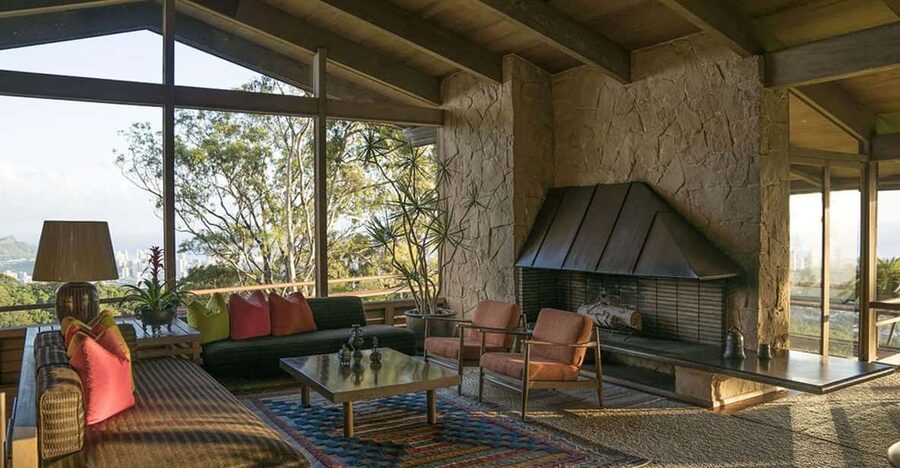
The visit begins with entry to the Liljestrand House and an introduction from an English-speaking guide. Since the group is limited to 10 people, you should expect a more focused setting than a large coach tour. A smaller group also makes it easier to hear explanations and take your time with details.
Before you move through the house, pay attention to the practical rules. You must remove your shoes because the wood floors are fragile. Smoking and vaping are not allowed, and pets cannot come along. Backpacks, large bags, tripods, extension poles, and selfie-sticks are also prohibited.
Those restrictions are not minor annoyances. They tell you something about the type of place this is. The foundation is caring for a preserved home with delicate original elements, so the visit asks you to move with care. If you usually carry a daypack or camera gear, plan to arrive with as little as possible.
The tour then brings the architecture into focus through the rooms, materials, views, furnishings, and artwork. The exact order of stops may depend on the guide and the house, but the experience is built around understanding how the parts work together. Look beyond the first striking view. Notice how the house controls your attention and how the natural materials support the mood of each space.
At 90 minutes, the tour is long enough for real explanation but short enough to fit into a day of sightseeing. It is not a quick photo stop. You will need to listen, observe, and allow time for the guide to explain why the house was designed as it was.
Reading Ossipoff’s view management
View management is one of the most useful ideas to take away from this visit. A good view is not only something outside the house. It is part of the interior experience, shaped by walls, windows, angles, and movement.
Ossipoff’s design principles come through in the way the house directs your eye. Some views may be broad, while others may be more controlled. The point is that the building does not treat every opening in the same way. It uses the structure to decide how the surroundings enter your experience.
You will get more from the tour if you resist the urge to photograph everything immediately. First look at the room as a whole. Then notice what the architecture asks you to see. After that, examine the materials and furnishings that support the composition.
This is especially useful if you have little formal training in architecture. You do not need to know technical terms to understand the basic lesson. The house shows how a designer can use simple choices to create a strong sense of place.
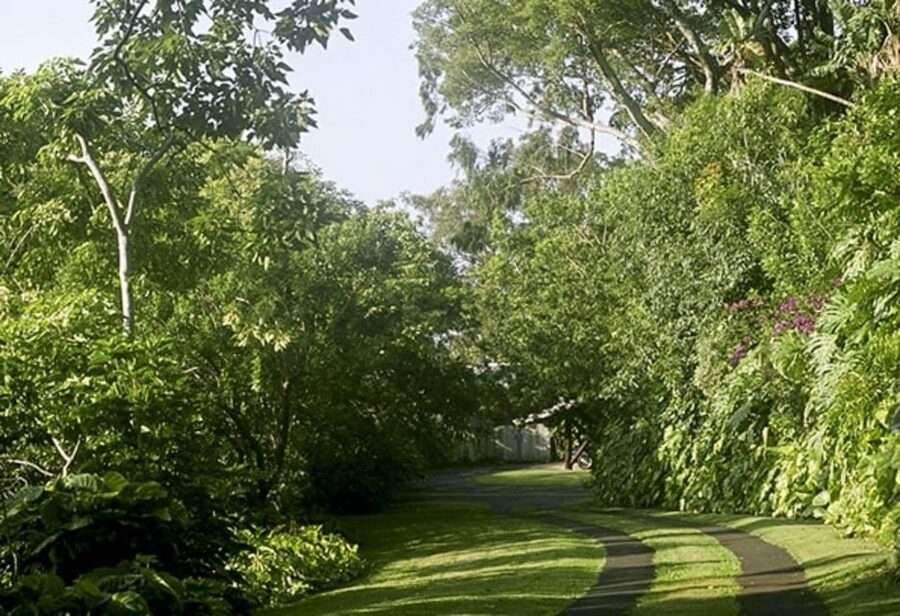
The setting also helps explain why Hawaiian modern architecture deserves its own attention. Ossipoff was working in Hawaii, with its light, climate, materials, and views. The tour presents the house as an example of an architectural language shaped by those conditions rather than borrowed wholesale from somewhere else.
Original furnishings and artwork tell the family story
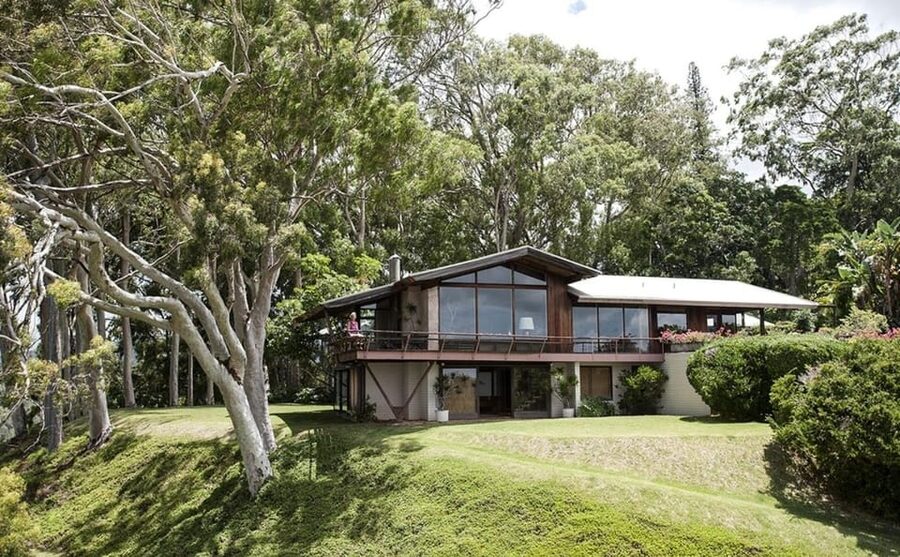
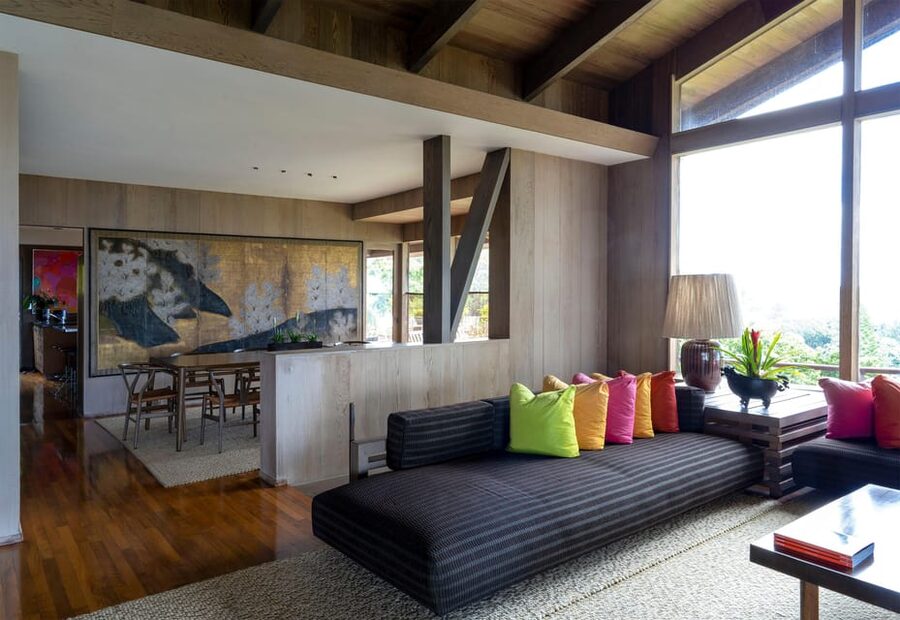
A bare historic house can feel distant. The Liljestrand House retains original furnishings and artwork, which gives the design more context. These objects are not separate decorations added after the fact. They help show how the architect’s ideas were meant to work in everyday life.
You can study the relationship between the rooms and the things placed inside them. Furniture affects how you move through a space. Artwork changes where your eye rests. Materials help connect the home’s interior to its surroundings. The tour uses these details to show that the house was planned as a complete environment.
The original contents also bring the Liljestrand family closer to the experience. You are not seeing an empty shell. You are seeing a home shaped by a family’s taste, routines, and friendship with Ossipoff.
This is one of the strongest reasons to choose the tour instead of simply reading about the architect. A book can explain an idea, but a preserved house lets you see the idea at full scale. You can stand in the rooms, notice the proportions, and understand why the furnishings matter.
Same island, a completely different kind of day:
- Pearl Harbor, National Memorial Cemetery and Honolulu City Tour
★ 4.5 · 1,777 reviews - Honolulu: Glass Bottom Boat Tour along Oahu’s South Shore
★ 4.6 · 1,575 reviews - Arrival Transfer: Airport Shuttle Honolulu and Waikiki or Cruise Terminal
★ 4.0 · 1,242 reviews - Honolulu: Ka Moana Lūʻau at Aloha Tower – Oceanfront Luau Show
★ 4.0 · 1,216 reviews
The guide can change the depth of the visit
The guide is an important part of this experience. The tour is in English, and the small group format gives the guide room to explain details rather than rush through a prepared speech.
Perry is especially notable. He lived on the mountain and knew Vladimir Ossipoff, giving him a personal connection to the architect that goes beyond textbook information. If Perry leads your tour, you may hear useful first-hand context about Ossipoff’s character, work, and connection to the area.
That personal link does not replace the architecture. It adds another layer to it. Design principles can feel abstract until they are connected to the person who developed them and the family who worked with him.
The five-star feedback attached to this experience repeatedly emphasizes the quality of the explanation, the beauty of the house, and the value of learning how it was built. That matches the tour’s main strength: it offers information without losing sight of the physical place.
Still, expectations matter. This is not an entertainment show or a fast-moving sightseeing circuit. The pleasure comes from close observation and patient explanation. If you prefer active attractions, you may find the pace quiet. If you enjoy houses, design, art, or local stories, the format should suit you well.
Heat, shoes, and other practical matters
The house is not air-conditioned. During summer and fall, it can sometimes be quite hot. Wear light clothing and plan to be comfortable standing or walking through the house in that weather. The information provided does not promise a cool indoor break, so heat-sensitive visitors should think carefully about timing.
You will remove your shoes because of the fragile wood floors. Wear clean, comfortable socks if you prefer not to go barefoot. This is also a good reason to avoid complicated footwear that takes a long time to remove.
Keep your belongings simple. Backpacks and large bags are not permitted, along with tripods, extension poles, and selfie-sticks. You should also leave pets at home. Smoking and vaping are prohibited.
Children under 10 are not suitable for this experience. That age limit makes sense for a quiet tour in a delicate historic house, but families with younger children will need a different Honolulu activity.
The tour lasts 90 minutes, so you do not need to give up an entire day. You should, however, allow yourself enough time to arrive ready for the house rules. The small group limit is 10 people, which helps maintain the calm atmosphere and gives the guide a chance to answer questions.
Is the $78 price fair?
At $78 per person, this is not a cheap walk-through. The price includes entrance to the Liljestrand House and a guided English-language tour. You are paying for access to a private, carefully preserved architectural site, not for a general Honolulu sightseeing loop.
The value depends on your interests. If you enjoy architecture, design, historic homes, art, or the work of Vladimir Ossipoff, the price is easier to justify. You are seeing an intact house with original furnishings and artwork, while also supporting the Liljestrand Foundation’s preservation work.
That preservation connection matters. Your admission helps the foundation keep the house open for education and cultural use. The visit is both a tour and a contribution to the care of the property.
If you mainly want broad Honolulu views or a casual indoor attraction, you may find the cost high for 90 minutes. This experience rewards attention rather than volume. You get one house, one architect, one family story, and a close look at a specific period in Hawaiian design.
I would compare it with the cost of a standard guided attraction by asking what you want to remember. If you value a focused encounter with a significant home and a guide who can explain its design, the price is reasonable. If you are filling spare time between major sights, it may not be the best use of your budget.
Cancellation is flexible enough for careful planning: cancel at least three days in advance for a full refund. Check available start times before booking, since the tour runs for 90 minutes and the start schedule is not listed here.
Who should book the Liljestrand House tour?
I would recommend this tour to adults and older children who enjoy architecture, historic houses, furniture, art, or local design. It is also a good choice if you have already seen Honolulu’s main sights and want a more focused look at the city’s cultural story.
The tour suits you especially well if you like hearing how a building was made and why its details matter. Perry’s connection to Ossipoff may make the experience even more personal when he leads the visit.
You should think twice if you dislike removing shoes, expect air-conditioned interiors, need to carry a large bag, or prefer a fast-paced activity. The house requires care, quiet attention, and respect for preservation rules.
Should you book this Honolulu architecture tour?
Book it if you want to understand Hawaiian modern architecture from inside a real Ossipoff home. The combination of original furnishings, controlled views, natural materials, family history, and a small English-speaking group gives the 90 minutes a clear purpose.
The heat and strict bag rules are real considerations, and $78 is a serious price for a short visit. For the right audience, though, the cost supports access to a rare preserved house and the foundation working to protect it. Bring curiosity, leave the bulky gear behind, and give the rooms time to explain themselves.
FAQ
How long is the Liljestrand House tour?
The tour lasts 90 minutes.
How much does the tour cost?
The price is $78 per person.
What language is the tour offered in?
The tour is offered in English with a live guide.
How many people can join the tour?
The group is limited to 10 participants.
What is included in the price?
Admission to the Liljestrand House and a tour guide are included.
Do I need to remove my shoes?
Yes. Shoes must be removed because the house has fragile wood floors.
Are children allowed on the tour?
Children under 10 are not suitable for this experience.
Can I cancel for a full refund?
Yes. You can cancel at least three days in advance for a full refund.
Are bags and camera accessories allowed?
Backpacks, large bags, tripods, extension poles, and selfie-sticks are not permitted.
Newest Honolulu write-ups
- Private Surf Lessons in Honolulu★ 5.0 · 76 reviews
- Private Round-Trip Transfer: Honolulu International Airport to Hotel or Cruise Terminal★ 4.0 · 34 reviews
- Private One-way Airport Transfer Honolulu Airport To Honolulu★ 4.0 · 24 reviews
- Private “Limousine” USS Arizona Memorial & Cultural Honolulu Tour★ 5.0 · 3 reviews
- Semi Private Honolulu Historical Tour★ 5.0 · 11 reviews
- Private Departure Transfer: Oahu Hotels or Honolulu Cruise Terminal to Honolulu International Airport★ 3.5 · 8 reviews
- Private Arrival Transfer: Honolulu International Airport to Oahu Hotels or Cruise Terminal★ 3.5 · 31 reviews
- Pearl Harbor and Honolulu City Tour★ 3.5 · 37 reviews
Honolulu Tours, compared.

Waikiki Trolley Hop-On Hop-Off Tour of Honolulu
Read our review →
First-Time Scuba Diving in Honolulu + Free Videos
Read our review →
Pearl Harbor, National Memorial Cemetery and Honolulu City Tour
Read our review →
Glass Bottom Boat Tour along Oahu’s South Shore
Read our review →
Arrival Transfer: Airport Shuttle Honolulu and Waikiki or Cruise Terminal
Read our review →
Ka Moana Lūʻau at Aloha Tower – Oceanfront Luau Show
Read our review →
Three Star Deluxe Sunset Dinner Cruise and Show
Read our review →
Browse the lists this tour appears in