Reviewed · GUIDED
Hangar Guided Tour
Pearl Harbor Aviation Museum’s Hangar Guided Tour brings you into two surviving World War II hangars, where bullet holes from the December 7, 1941 attack are still visible. You’ll see aircraft, weapons, repair equipment, and part of the USS Arizona while a docent connects the objects to the people who used them.
I like the tour’s small maximum group of 25 and its focus on real places rather than a screen-only history lesson. I also like that your ticket includes general admission, so you can stay after the one-hour tour for the museum’s other aircraft, exhibits, documentary, and outdoor displays.
The main consideration is price. At $40.98 per person, this is not a quick add-on if you only want to glance at a few planes. The guided hour adds useful context, but visitors who already know a great deal about World War II aviation may find the clear self-guided signs enough.
Key points to know before you book
- Hangar 37 sets the scene: Begin with the attack on Pearl Harbor, Japanese weapons, aircraft, and a surviving piece of the USS Arizona.
- Hangar 79 still carries battle scars: The restoration hangar has bullet holes from the attack and wartime aircraft repair displays.
- A docent makes the difference: Guides such as Tomoko, Chris, Steve, and Laughlin Tanaka have been praised for linking aircraft details with personal stories.
- Your ticket covers more than the tour: General admission includes the museum galleries, MiG Alley, and the 12-minute documentary East Wind, Rain.
- Flight simulators cost extra: Combat flight simulations are not part of the $40.98 ticket.
- Plan extra time: The guided portion lasts about an hour, but the full museum can occupy several more hours if aviation and Pacific War history interest you.
Why these two Pearl Harbor hangars matter
The museum occupies Ford Island, in the middle of Pearl Harbor. This was once a Naval Air Station, and the surrounding setting gives the aircraft a sense of place that a standard aviation museum cannot easily copy.
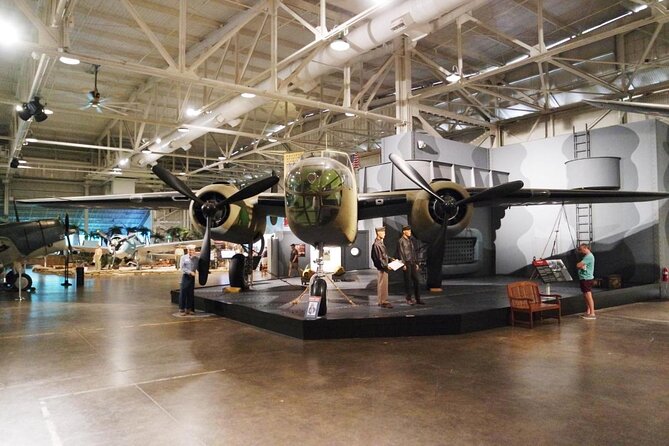
The Hangar Guided Tour concentrates on Hangars 37 and 79. These are not just rooms filled with aircraft. They were working military spaces during the attack and the war that followed.
That distinction matters. You are not only looking at a Japanese bomber or a carrier aircraft in a polished gallery. You are standing in buildings tied to the events being explained. The surviving marks on Hangar 79 help make the attack feel immediate without turning the site into a spectacle.
The tour is led in English by a docent, with several departures during the day. The group can include up to 25 people, which is small enough for questions but not necessarily intimate. If you want the best chance of hearing every detail, stay near the guide and arrive ready to focus.
A few more Oahu trips worth putting side by side
- Moana’s Waikīkī Grand Guided Turtle Snorkel & Sailing Adventure
★ 4.5 · 936 reviews - Honolulu: Oahu Island Full-Day Guided Tour by Bus with Lunch
★ 4.6 · 506 reviews - Kailua 2-Hour Guided Kayaking Excursion, Oahu
★ 5.0 · 442 reviews
Hangar 37: weapons, aircraft, and the first minutes of the attack
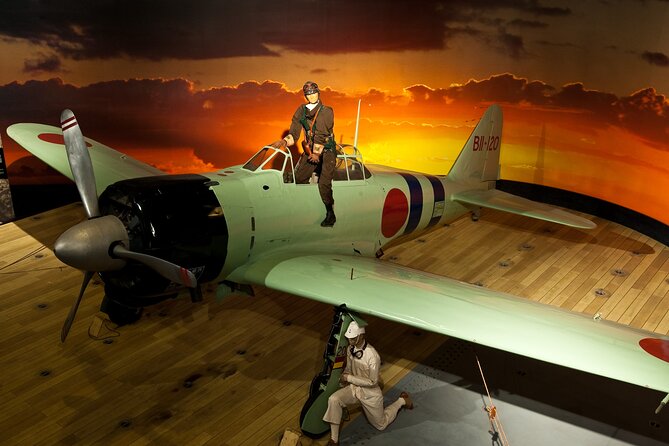
Hangar 37 is the museum’s entry point. During the attack, it housed utility squadron VJ-1. The unit fired back with machine guns mounted on amphibious biplanes, a detail that gives the building a direct connection to the first minutes of the assault.
The docent begins with the wider story of Pearl Harbor, then uses objects to explain what happened. You might see an unrestored Japanese bomber similar to the aircraft used on December 7, along with an armor-piercing shell designed to penetrate the deck of the USS Arizona and an aircraft-launched torpedo.
These objects are particularly useful because they show how the attack worked. The planes were not just symbols of war. Their bombs, torpedoes, and ammunition were designed for specific targets, and the museum makes that technology visible at close range.
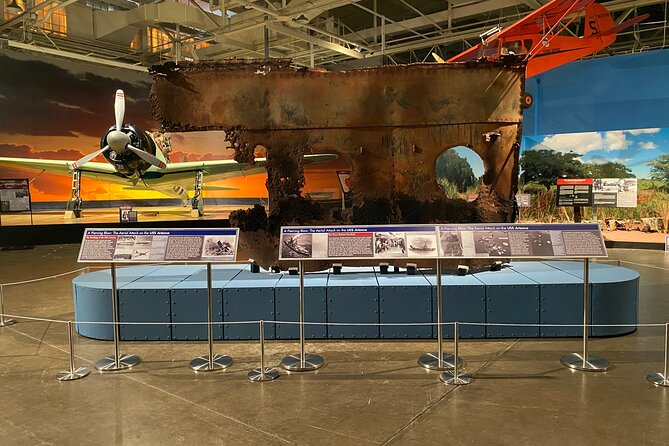
A fragment of the USS Arizona is also displayed. The battleship lost 1,177 people during the attack, and the piece of the ship gives that number a physical reference. The museum’s story also touches on wartime reuse, since materials that could be salvaged were often put back into service.
Hangar 37 includes other aircraft and displays that broaden the story beyond the attack itself. One exhibit is a mock-up of one of the two American aircraft that managed to get airborne that day. Another is a biplane trainer used by Navy pilots, including the type associated with former President George H. W. Bush.
I find this part of the tour strongest when the guide moves between aircraft design and human choices. A plane can tell you how fast an aircraft flew, but a good docent also explains who climbed aboard, what the mission required, and what could go wrong.
Hangar 79: bullet holes and a working restoration space
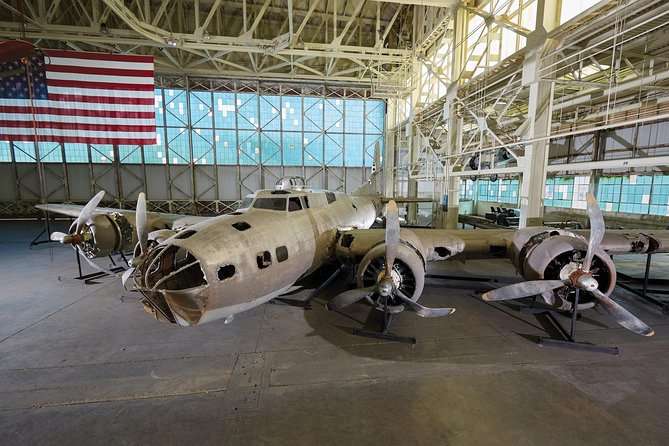
From Hangar 37, the tour continues to Hangar 79, also called the Restoration Shop. The building served as a maintenance and engine-repair facility during the war. Aircraft based at Pearl Harbor, or headed to the Pacific front, passed through spaces like this for repairs and preparation.
The hangar still has bullet holes left by the Japanese attack. That damage is one of the most memorable features of the visit. You can read about the attack in any number of books, but seeing the marks in the original structure creates a quieter, more direct connection to the event.
Hangar 79 is also an active restoration area. You can see World War II tools, aircraft awaiting work, and a 1940s Carrier Aircraft Service Unit rebuilt to wartime authenticity. The setting helps you understand how much labor went into keeping aircraft in the air.
This is not a finished display where every aircraft looks brand new. Some planes are restored, some are being repaired, and others show the work still ahead. For me, that makes the collection more honest. You get the aircraft as historical objects and as machines that require constant care.
The hangar includes another trainer and an aircraft type linked to Bush’s 58 combat missions, 128 carrier landings, and rescue after his plane was shot down. Details like these work best when the guide explains them alongside the aircraft, rather than leaving you with a name and a date on a small sign.
How the docent changes the museum experience
You can visit the museum without the guided tour. The signs are described as clear and detailed, and they cover much of the basic information about the aircraft and the Pacific War.
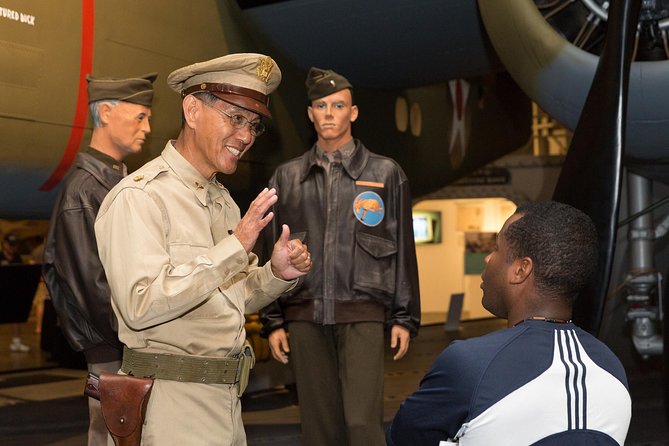
The added value comes from the human explanation. A good docent can point out a small part of an aircraft, then connect it to a mission, a pilot, or a larger moment in the war. That is why this tour has earned such strong praise from people who were accompanied by guides including Tomoko, Chris, Steve, and Laughlin Tanaka.
Chris has been described as keeping the story moving while answering questions. Steve has been especially effective with mixed-age groups, including children and older adults. Laughlin Tanaka has been praised for turning the aircraft into part of a wider wartime story rather than treating each plane as a separate object.
Those names do not guarantee which guide you will receive. They do show the kind of experience the museum aims to provide: part technical explanation, part personal story, and part history lesson.
I would choose the guided option if you want to understand why the aircraft matter. I would be less certain about it for a serious aviation enthusiast who already knows the basic story and prefers to read signs at a private pace.
Same island, a completely different kind of day:
- Oahu Grand Circle Island and Haleiwa Tour: 9-Hr Deluxe Experience
★ 5.0 · 17,387 reviews - Oahu: Grand Tour Around Island 16 Locations plus Snorkeling
★ 5.0 · 8,669 reviews - Parasailing Experience in Waikiki, HI
★ 5.0 · 7,692 reviews - Salute to Pearl Harbor Including USS Arizona
★ 4.5 · 7,433 reviews
The full museum after the one-hour tour
Your ticket includes general admission, so do not leave when the docent finishes. The museum has more aircraft and displays beyond the two hangars.
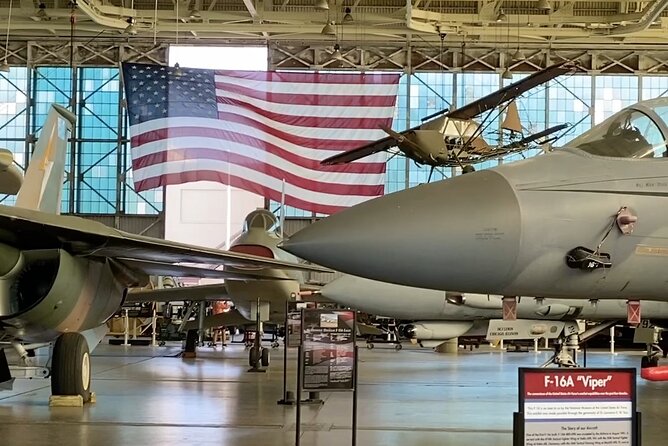
MiG Alley adds a Cold War and modern aviation angle, with aircraft such as F-14, F-15, F-16, and Blue Angels F-18 examples. An Australian F-111 is also on display. These later aircraft help show how aviation changed after the Pacific War, although the museum’s strongest narrative remains World War II and the Asia-Pacific conflict.
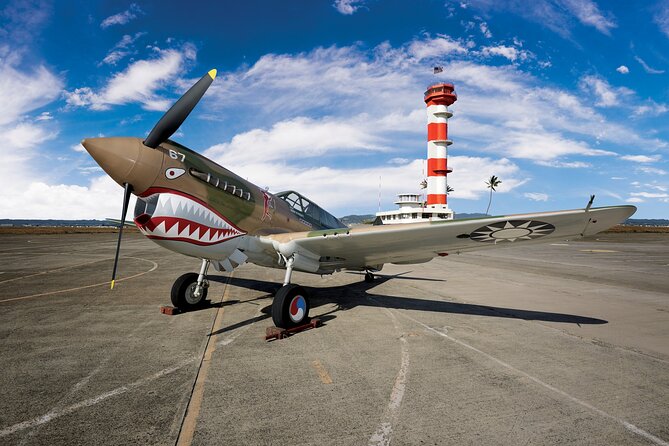
The collection also includes aircraft connected to major episodes of the war, such as the P-40 Warhawk, Dauntless dive bomber, and B-25 Mitchell associated with the Doolittle Raid. The displays connect reconnaissance, transport, bombing, and carrier operations, showing how aircraft served very different roles.
You can also watch East Wind, Rain, an award-winning 12-minute documentary about the December 7 attack. It is short enough to fit into a busy day and useful if you want a clear timeline before or after seeing the hangars.
The museum store is included in the general admission area. Food and drinks are not part of the tour, though the wider museum complex has a cafe. One account specifically praised the chili cheese fries, so you can treat the museum as more than a quick stop if you have the time.
Flight simulators and other extras
The combat flight simulators are not included in the Hangar Guided Tour. They cost extra and offer a virtual dogfight experience, with one example priced at $10 for 15 minutes.
That can be a fun choice for children and anyone who wants an interactive activity after the historical portion. I would not treat it as essential, especially if your main reason for visiting is the real aircraft and original hangars.
The Top of the Tower Tour is also excluded. The Hangar Guided Tour is therefore a focused museum experience, not a full package covering every activity at Pearl Harbor Aviation Museum.
This separation is helpful when planning your budget. The $40.98 ticket covers the docent-led visit and general admission, but you should expect additional charges for the simulator and any other paid activity you add.
Is $40.98 good value?
The price is fair if you use the included admission well. You receive roughly one hour with a docent plus access to the rest of the museum, including the documentary and additional aircraft. A visitor who spends two or three hours exploring the full site gets considerably more from the ticket than someone who leaves after the guided portion.
The guided tour itself is the main value. It adds stories about the attack, the aircraft, the pilots, and the repair crews. It also helps you notice details that a quick walk through the hangars might miss.
Still, the cost may feel high for a family, especially once you add simulator fees, food, and other Pearl Harbor activities. Children under four enter free, which helps, and children must be accompanied by an adult.
If your knowledge of World War II aviation is limited, I think the extra cost is easier to justify. If you already understand the attack and mainly want to see aircraft, general admission may be enough, provided that option is available to you separately.
Timing, transport, and practical details
The tour lasts about 60 minutes and runs several times a day. Having a choice of departure times makes it easier to fit around other Pearl Harbor sites, but you should still leave room to visit the museum after the tour.
The meeting point is Pearl Harbor Aviation Museum, 319 Lexington Boulevard, Honolulu. The activity ends at the same location.
If you arrive at the main Pearl Harbor entrance rather than Ford Island, free shuttle buses connect the main area with Ford Island and the aviation museum. A security check is part of that transfer, so allow time for the ride and screening.
The experience is offered in English and uses a mobile ticket. Confirmation is issued when you book. Service animals are allowed, and most people can take part. The group limit is 25, though the actual size may vary by departure.
For cancellation, you can receive a full refund if you cancel at least 24 hours before the start time. Cancellations or changes made within 24 hours are not refunded or accepted.
Who will enjoy this tour most?
I would recommend it to anyone who wants Pearl Harbor explained through aircraft and working military spaces. It suits history fans, aviation enthusiasts, families with older children, and visitors who prefer a guide to a purely self-guided museum.
It also works well for mixed-age groups. A strong docent can shift between aircraft facts and human stories, keeping a nine-year-old interested while still giving an adult something to think about.
You may want to skip the guided upgrade if you have limited time and only want a fast look at the collection. You may also prefer self-guided admission if you already know the Pacific War in detail or dislike moving with a group.
The emotional tone is serious but not theatrical. The museum deals with death, destruction, and war, yet the original hangars and ordinary tools keep the focus on people and work. For many visitors, that makes the visit more reflective than a standard aircraft display.
Should you book the Hangar Guided Tour?
Book it if you want the original hangars explained by a person who can connect the machines to the attack and the Pacific War. The bullet holes in Hangar 79, the USS Arizona fragment, the wartime repair shop, and the aircraft tied to real missions make this more meaningful than a quick gallery visit.
If you are watching every dollar, choose the tour only if you can stay afterward for the full museum. The value is strongest when you use the general admission, watch the documentary, and explore the later aircraft in MiG Alley.
I would reserve this experience for a history-focused Pearl Harbor day, not as a ten-minute stop between other attractions. For that kind of visit, the $40.98 cost buys useful context and access to a place where the December 7 attack is still visible in the walls.
FAQ
How long does the Hangar Guided Tour last?
The guided portion lasts approximately 60 minutes. Your ticket also includes general admission, so you can continue exploring the museum afterward.
What does the tour include?
It includes a docent-led tour of Hangars 37 and 79 plus general admission to Pearl Harbor Aviation Museum, including its exhibits, MiG Alley, museum store, and East Wind, Rain documentary.
Are combat flight simulators included?
No. Combat flight simulators are not included and require an additional payment.
Is the Top of the Tower Tour included?
No. The Top of the Tower Tour is not included in the Hangar Guided Tour ticket.
Where does the activity start and end?
The tour starts at Pearl Harbor Aviation Museum, 319 Lexington Boulevard, Honolulu, and ends back at the same meeting point.
Is the tour available in other languages?
The tour is offered in English.
What is the cancellation policy?
You can cancel at least 24 hours before the start time for a full refund. Cancellations or changes made less than 24 hours before the start time are not refunded or accepted.
Newest Oahu write-ups
- West Oahu: Eco-Friendly Whale Watching Cruise★ 4.5 · 40 reviews
- Oahu: Waikiki Eco-Friendly Morning Whale Watching Cruise★ 4.4 · 119 reviews
- Oahu: Circle Island Tour with Lunch & Waimea Waterfall★ 4.4 · 134 reviews
- West O’ahu: Dolphin Watching and Snorkeling Catamaran Cruise★ 4.5 · 31 reviews
- West O’ahu: Swim with Dolphins Catamaran Cruise★ 4.9 · 70 reviews
- Oahu: Waimea Falls & valley & North Shore day★ 5.0 · 4 reviews
- Honolulu, Oahu: Waikiki Turtle Snorkel Tour w/Shuttle Option★ 3.6 · 81 reviews
- Waikiki: Sunset Whale Watching with 2 Drinks (BYOB-Friendly)★ 4.3 · 34 reviews
Guided, compared.
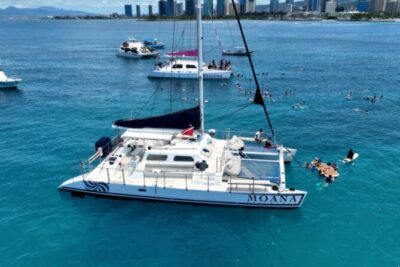
Moana’s Waikīkī Grand Guided Turtle Snorkel & Sailing Adventure
Read our review →
Oahu Island Full-Day Guided Tour by Bus with Lunch
Read our review →
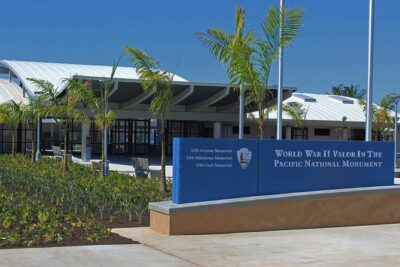
Chief’s Official Pearl Harbor Self-Guided Multimedia Tour
Read our review →


Self guided Hike Trail to Nature Walk & Waterfall
Read our review →