
Reviewed · OAHU SCUBA DIVING
First Time Introductory Scuba Dive
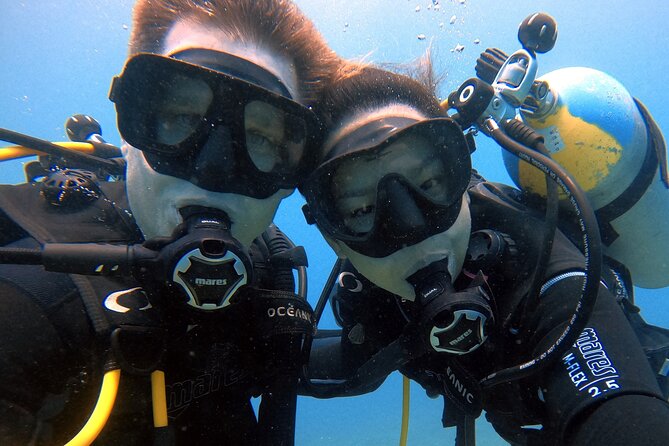
Oahu’s introductory scuba program gets you under the surface without requiring you to own a single piece of equipment. An instructor explains the basics, checks your comfort, and guides you through the first underwater skills before you go looking for sea turtles, octopuses, and other marine life.
I like the small groups of one to four and the fact that gear and snacks are included. That setup gives you more direct help than a crowded boat trip, and the food matters after a morning of nerves and physical effort. The main caution is the open-ocean setting: choppy water can make a first attempt stressful, and a short practice session may not suit someone who needs a pool lesson first.
Key points
- Small groups of one to four: More personal instruction and closer attention from the scuba guide.
- About four hours from Honolulu: The 11:00 am start leaves time for instruction, equipment checks, and underwater sessions.
- Wildlife is part of the appeal: You may see sea turtles, octopuses, and possibly electric eels.
- All core gear is provided: You only need to handle the required medical form and arrive ready for a physical activity.
- Snacks are included: A useful touch during a half-day on the water.
- Weather matters: Poor conditions can lead to a new date or a full refund, while late cancellations are not refundable.
What your $279 buys in Honolulu
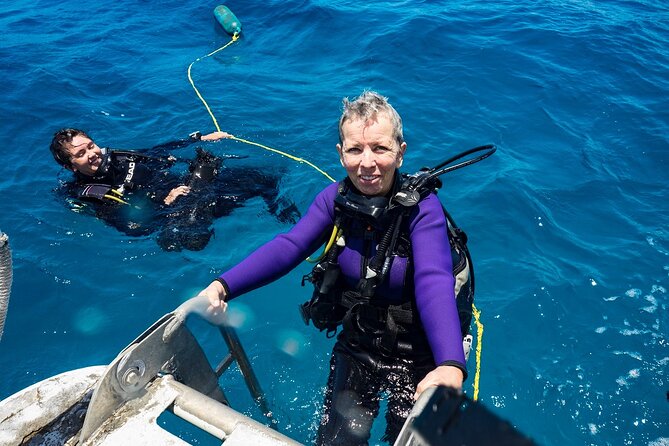
At $279 per person, this is not a cheap add-on to a beach day. It is a guided, equipment-provided introduction to scuba, with a maximum overall capacity of 16 and much smaller instructional groups of one to four.
That price makes the most sense if you want to try scuba without committing to a certification course or buying personal gear. You are paying for instruction, tanks and equipment use, boat time, safety supervision, snacks, and the chance to visit an underwater area that is difficult to reach by simply swimming from shore.
I would compare it with the cost of other guided water activities on Oahu, but the more important question is personal. If you are curious about scuba and want a controlled first taste, the fee is reasonable for a four-hour program. If you already hold certification or have several underwater sessions behind you, you may find the introductory format too basic.
The program is offered in English, and a mobile ticket is available. The meeting point is listed at 74VV+4W7 Honolulu, Hawaii, and the activity returns there at the end. Check the exact map pin carefully before leaving, since a plus code can be less familiar than a regular street address.
More dive trips in Oahu:
- First-Time Scuba Diving in Honolulu + Free Videos
★ 5.0 · 3,123 reviews - Beginner Scuba Diving Experience with Video Package in Honolulu
★ 5.0 · 877 reviews - Certified Diver: 2-Tank Deep Wreck and Shallow Reef Dive Off Oahu
★ 5.0 · 331 reviews
The 11:00 am start and the first safety briefing
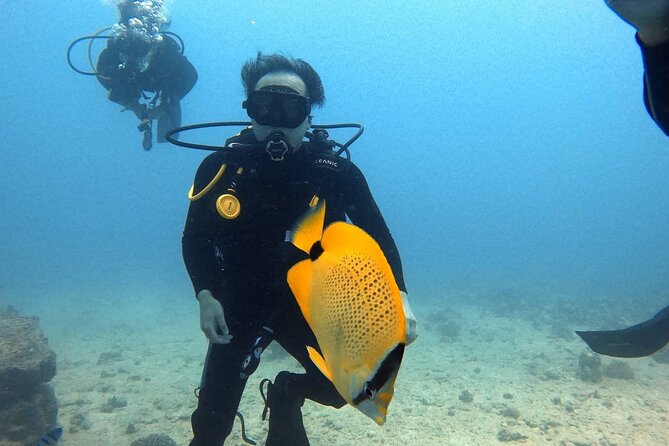
You meet at 11:00 am, then begin with the foundations. Expect an explanation of the equipment, basic safety rules, and the skills needed to manage yourself underwater with an instructor nearby.
This first lesson is not just a formality. Breathing through a regulator feels different from normal swimming, and the mask, fins, buoyancy equipment, and air tank all take some getting used to. Good instruction gives you a chance to understand the equipment before the sea becomes your classroom.
One particularly well-liked guide was Ed, who patiently walked a beginner through the basics and kept checking that everything was understood. That kind of calm, close attention is exactly what you want here. The strongest part of this experience is not simply seeing marine life. It is having someone notice when you need another explanation or a slower pace.
The group format matters too. The company describes the instructional group as one to four people, which is far better suited to a first attempt than a large line of beginners all trying to follow the same commands. Smaller groups also create less commotion in the water, which can help you approach marine life without startling it.
Practicing skills before going below
After the briefing, you move into practice in the water. The purpose is to make the essential actions feel manageable before you focus on animals and scenery.
The exact flow can depend on conditions and the group. One account describes a quick transition from talking to practicing, followed by two underwater sessions. That may suit people who learn best by doing, but it is also the point where you need to be honest about your comfort level.
An introductory scuba outing is not the same as a full certification course. You are learning enough to take part safely under direct supervision, not completing a broad training program at your own pace. If you have never used scuba equipment and feel uneasy in open water, ask yourself how you handle new physical skills under pressure.
The biggest concern raised about this format is rough surface water. Choppy water can make boarding, waiting, and the first practice steps uncomfortable, even if conditions below the surface are calmer. The operator notes that weather may affect the schedule, and it can cancel for poor conditions, but not every unpleasant day can be predicted perfectly.
I would not book this as a casual surprise for someone who dislikes boats, feels anxious in open water, or needs a long pool-based introduction. For a reasonably fit person who is curious, listens well, and accepts that the first few minutes may feel strange, the direct instruction can work very well.
Small groups make a real difference underwater
The promise of one to four people with an instructor is one of the best reasons to choose this program. A beginner needs more than a short safety speech. You need someone who can watch your breathing, body position, equipment, and facial expression at the same time.
A small group also gives you room to ask simple questions without holding up a full boatload of people. You can clarify how to clear a mask, communicate underwater, or settle your breathing without feeling like the entire group is waiting.
The overall activity may allow up to 16 people, so do not read that figure as a promise of a private boat for four. The important distinction is that the introductory underwater groups are described as much smaller. Ask how the group will be divided if you are booking with friends or family and want to stay together.
This structure is especially useful if one person in your party is confident and another is nervous. The instructor can focus on individual comfort rather than rushing everyone through at the same speed. A participant whose daughter’s friend became too scared to enter the water is a reminder that confidence is not automatic, even when the activity is advertised for beginners.
Same island, a completely different kind of day:
- Oahu Grand Circle Island and Haleiwa Tour: 9-Hr Deluxe Experience
★ 5.0 · 17,387 reviews - Oahu: Grand Tour Around Island 16 Locations plus Snorkeling
★ 5.0 · 8,669 reviews - Parasailing Experience in Waikiki, HI
★ 5.0 · 7,692 reviews - Salute to Pearl Harbor Including USS Arizona
★ 4.5 · 7,433 reviews
Looking for turtles, octopuses, and electric eels
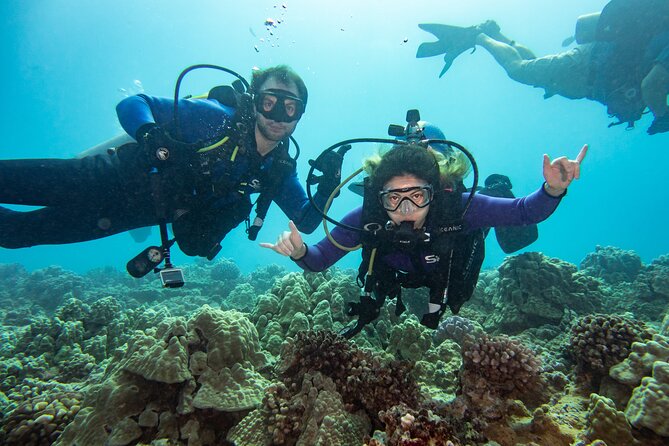
The wildlife is the reward after the skills work. Sea turtles and octopuses are specifically named as possible sightings, and one underwater outing also included electric eels.
You should treat these animals as possibilities, not guarantees. Wildlife does not follow a timetable, and water conditions affect how much you can see. The small-group approach helps by reducing noise and movement, but even a careful guide cannot summon an octopus on command.
Sea turtles are often the sight many first-timers hope for, while an octopus can make the outing feel like a treasure hunt. The fun comes from learning to scan the underwater world rather than simply waiting for something large to swim past. Your guide’s knowledge of where to look and how to approach matters as much as the equipment.
I also like that the experience leaves room to talk about marine animals and other places to go after the session. One account describes time before a second underwater session to discuss sea life, other Oahu locations, and what might appear below. That conversation helps turn a single activity into a first step toward future snorkeling or scuba plans.
What the underwater sessions are really like
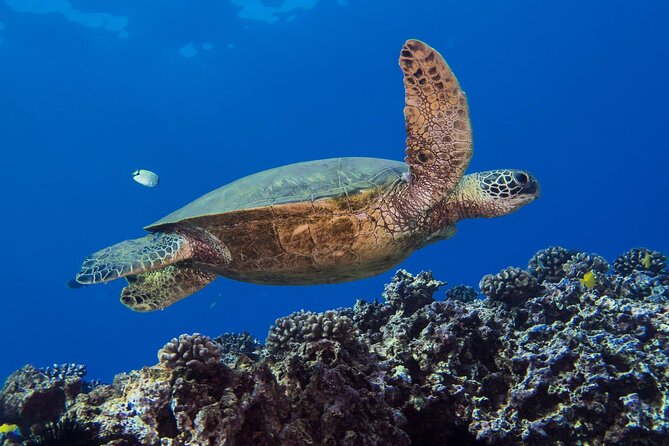
The program lasts about four hours, but not all of that time is spent below the surface. Instruction, equipment preparation, transport by boat, safety checks, entry and exit, and breaks all take time.
That is a good thing. A first scuba outing should not be judged by the number of minutes underwater alone. You need time to get comfortable and understand how the equipment works. Rushing would make the experience less safe and less enjoyable.
Some participants report two underwater sessions, with a break between them. A second session can feel very different from the first because you already understand the breathing rhythm and basic communication. Instead of spending every moment thinking about the mask and regulator, you may have more attention available for turtles, reef life, and the shape of the sea floor.
Still, your personal experience can vary. The official description does not promise a fixed animal route or a guaranteed number of sessions. Weather, sea conditions, your comfort, and the needs of the group can all affect the pace.
Gear, snacks, and the practical side of the morning
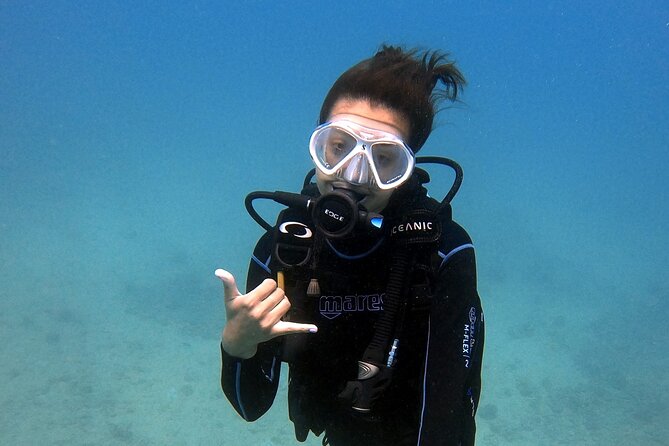
You do not need to pack scuba equipment. The activity provides the scuba gear, which removes one of the biggest barriers for a first attempt. You still need to be ready for a physical activity, and a moderate fitness level is recommended.
Bring the practical basics you would want for a boat-based morning, but do not assume every personal item is supplied simply because the scuba equipment is. The confirmed inclusions are equipment use and snacks. Water and snacks were available during one described outing, but the safest approach is to rely on the stated inclusion rather than expect a full meal.
The snacks are a small detail with real value. Four hours of concentration, movement, and time on the water can leave you hungry, especially if you have not eaten much before the 11:00 am start. I would have a normal meal beforehand if that suits your schedule, while avoiding anything that makes you uncomfortable during physical activity.
A medical waiver must be completed on the morning of the charter. If you answer yes to a medical question on the RSTC Scuba Medical Waiver, you may need a doctor’s note before you are permitted to take part. Read the waiver in advance rather than discovering a requirement at the meeting point.
Service animals are allowed, and the meeting point is near public transportation. The activity ends back at its starting point. These details are useful, but they do not replace checking your own transportation plan, especially if you are staying outside central Honolulu.
Weather, cancellations, and choosing the right day
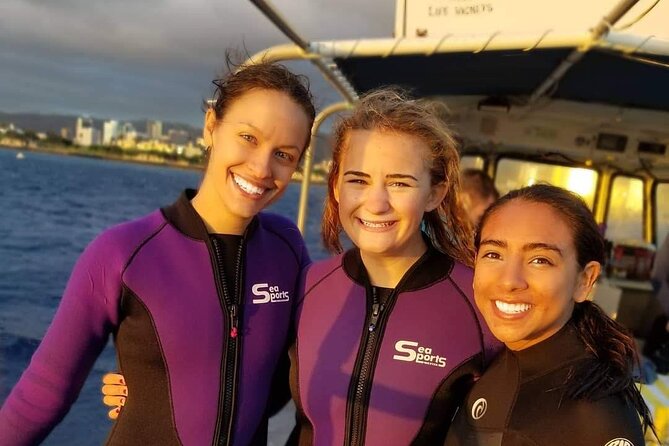
This experience requires good weather. If the operator cancels because of poor conditions, you are offered another date or a full refund.
That policy offers useful protection, but it does not mean you can wait until the last minute to change your mind. You can cancel for a full refund up to 24 hours before the start time. Cancellations or changes made within 24 hours are not accepted for a refund, and the cut-off follows local time.
I would schedule this early enough in your Oahu stay to leave room for a weather-related change. That gives you a second chance if the sea does not cooperate, rather than placing the activity on your final morning.
Choppy surface water is the main comfort issue to consider. The operator explains that roughness on top does not necessarily continue below the surface, but getting in, waiting, and staying calm can still be harder when the boat moves. If you are prone to motion sickness or anxiety, think carefully about whether an open-water first lesson is right for you.
Who will enjoy this most
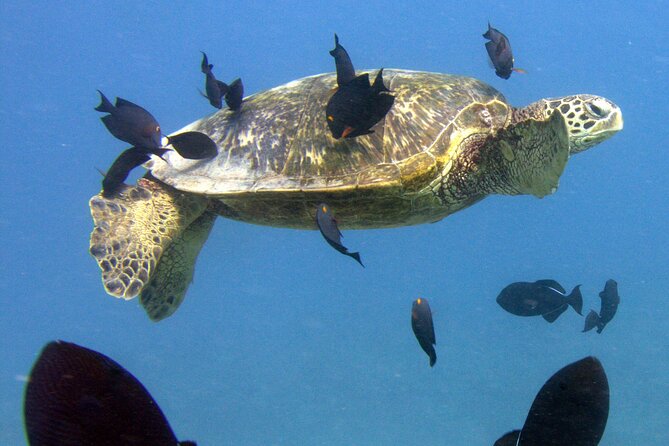
I would recommend this for an adult or older teen with moderate fitness, a genuine interest in scuba, and enough confidence to try a new skill in open water. The small instructional group, patient guidance, included equipment, and wildlife potential make it a strong first look at the sport.
It is also a good fit for friends who want to learn together. You can talk through what you saw between sessions, and the small-group arrangement may keep the experience personal.
I would be more cautious if you have never been comfortable in the ocean, dislike wearing a mask, or want a slow pool lesson before facing waves. The critical point is not whether you can swim well. It is whether you can stay calm while learning unfamiliar equipment and following instructions in an open-water setting.
This is also not the right purchase if you want a guaranteed turtle sighting, a private charter for only your party, or a formal scuba certification. The program is a supervised introduction, not a complete course.
Should you book this Oahu scuba experience?
Book it if you want a guided first taste of scuba and value direct help more than a low price. The best features are the one-to-four instructional groups, provided equipment, snacks, and the chance to see Oahu’s marine life with someone focused on safety and comfort.
Before paying, read the medical waiver, check the meeting point, and consider how you handle choppy water. If a pool lesson is essential for your confidence, choose a different format. If you are ready for a short, closely supervised introduction and accept that wildlife and water conditions cannot be promised, this is a worthwhile use of a half-day in Honolulu.
FAQ
How long does the introductory scuba activity last?
The experience lasts approximately four hours, starting at 11:00 am and ending back at the meeting point.
Where does the activity begin?
It begins at 74VV+4W7 Honolulu, Hawaii, USA, and returns to the same meeting point.
Is scuba equipment included?
Yes. Use of scuba equipment is included, along with snacks.
How many people are in each introductory group?
The introductory sessions are described as small groups of one to four people with an instructor. The overall activity maximum is 16 travelers.
Do I need to complete a medical form?
Yes. You must complete an RSTC Scuba Medical Waiver on the morning of the charter. A yes answer on the form may require a doctor’s note before you can participate.
What happens if the weather is poor?
If the activity is canceled because of poor weather, you are offered a different date or a full refund. For personal cancellations, you must cancel at least 24 hours before the start time for a full refund.
Newest Oahu write-ups
- Oahu: Waikiki Eco-Friendly Morning Whale Watching Cruise★ 4.4 · 119 reviews
- West Oahu: Eco-Friendly Whale Watching Cruise★ 4.5 · 40 reviews
- Oahu: Circle Island Tour with Lunch & Waimea Waterfall★ 4.4 · 134 reviews
- West O’ahu: Dolphin Watching and Snorkeling Catamaran Cruise★ 4.5 · 31 reviews
- West O’ahu: Swim with Dolphins Catamaran Cruise★ 4.9 · 70 reviews
- Oahu: Waimea Falls & valley & North Shore day★ 5.0 · 4 reviews
- Honolulu, Oahu: Waikiki Turtle Snorkel Tour w/Shuttle Option★ 3.6 · 81 reviews
- Waikiki: Surf Lessons Easy 60 min classes no crowds!★ 4.9 · 21 reviews
Oahu Scuba Diving, compared.
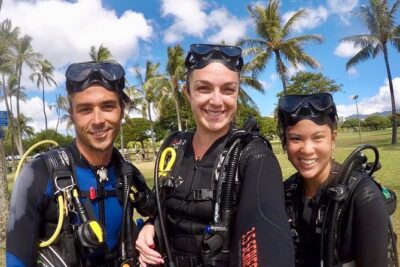
First-Time Scuba Diving in Honolulu + Free Videos
Read our review →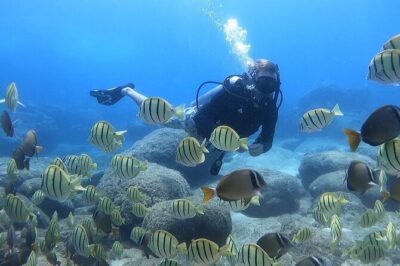
Beginner Scuba Diving Experience with Video Package in Honolulu
Read our review →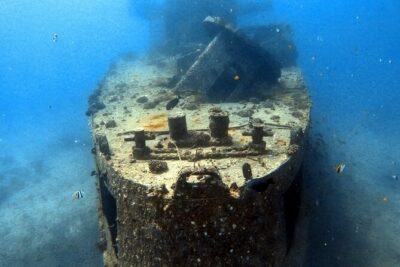
Certified Diver: 2-Tank Deep Wreck and Shallow Reef Dive Off Oahu
Read our review →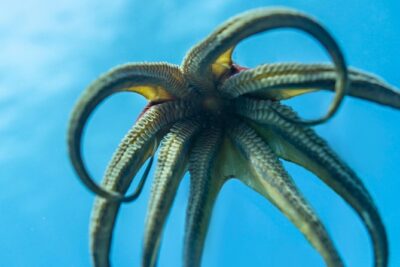
Incredibly Fun Coral Reef Giant Sea Turtles 4hour Boat Scuba Tour
Read our review →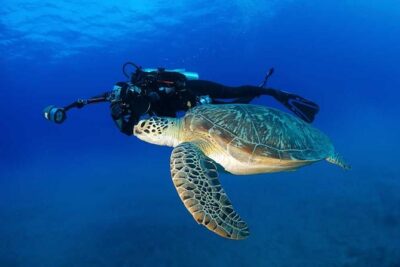
Certified Diver: 2-Tank Shallow Reef Dives off Oahu
Read our review →
Waikiki 2 Tank World Class Wreck SCUBA Diving – Certified Only
Read our review →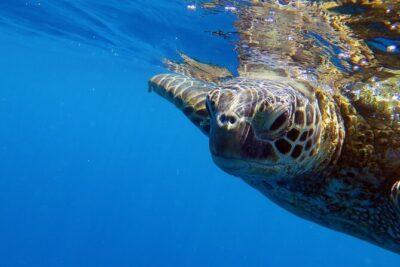
Browse the lists this tour appears in