
Reviewed · OAHU SCUBA DIVING
First-Time Scuba Diving in Honolulu + Free Videos
The best part of this Honolulu experience is that you can try scuba without certification or previous swimming experience. At Magic Island Lagoon, an instructor stays with you from the first nervous breaths in waist-deep water to the underwater session, which reaches roughly 15 feet. Alex, Nick, Danny, and Rida are among the instructors praised for patient instruction and calm support.
I like two things right away: all equipment is included, and you receive GoPro photos and video afterward. That turns a short lesson into a keepsake you can share. The main consideration is the setting. This is a sheltered lagoon session, not a long trip to a remote reef, and water clarity or marine life can vary with wind and conditions.
Key points to know before booking
- No certification is needed: You learn basic equipment use and safety before entering the water.
- The maximum depth is about 15 feet: This is a gentle introduction, not advanced scuba training.
- Instructors stay close: Guides such as Alex, Nick, and Danny are especially good choices for nervous beginners when available.
- Magic Island Lagoon is calm but enclosed: The protected water helps beginners, though it can sometimes feel like a small pool rather than open ocean.
- GoPro media is included: Photos and video are sent after the session, often by AirDrop, but there is no refund if the camera fails.
- Allow extra time: The advertised duration is about 90 minutes, but getting suited up and ready may take longer.
A gentle first step into scuba at Magic Island
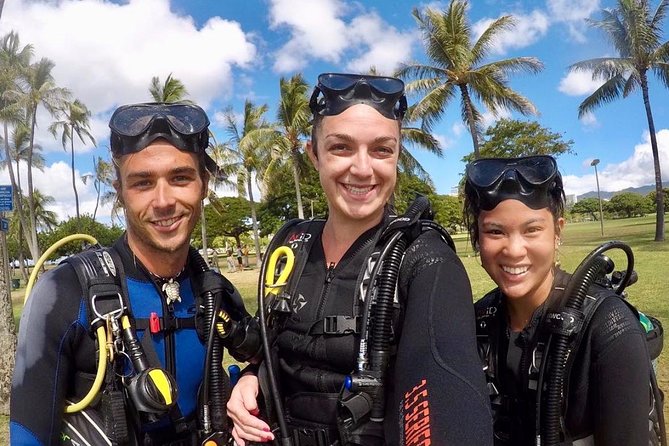
This experience is built for the person who has always wondered what it feels like to breathe underwater, but does not want to sign up for a certification course. You meet at Magic Island Lagoon in Ala Moana Beach Park, get fitted with a wetsuit and gear, and learn the basic safety rules before entering the water.
The lesson begins in shallow water. That matters. You can get used to the mask, regulator, fins, and breathing rhythm without being dropped straight into the Pacific. Once you feel steady, your instructor leads you farther out and down, with the session reaching about 15 feet at most.
You should be comfortable in the water and physically able to walk while wearing the equipment. No swimming experience is required, but this is not a dry-land activity. If you panic when water covers your face or find it hard to walk with gear, tell the instructor before entering.
The water is usually chosen for its calm, beginner-friendly nature. That makes Magic Island a sensible place to learn, especially for families and first timers. The tradeoff is simple: the lagoon does not offer the same wide-open feeling or guaranteed wildlife as a dedicated offshore boat trip.
More dive trips in Honolulu:
- Beginner Scuba Diving Experience with Video Package in Honolulu
★ 5.0 · 877 reviews - DISCOVER Scuba Diving Experience in Honolulu
★ 5.0 · 202 reviews - Waikiki: Honolulu Beginner Scuba Diving with Videos
★ 4.7 · 94 reviews
What happens during the 90-minute session
The stated duration is about one hour and 30 minutes. That includes preparation, instruction, time in the water, and returning to the beach. Do not read the 90 minutes as 90 minutes of continuous underwater time.
You first meet your guide at the beach and receive your wetsuit and scuba equipment. The fitting is important because an uncomfortable mask or loose fin can distract you once you are in the water. One participant had trouble with a mask and fin, but the instructor helped patiently, which is exactly the kind of support you want during a first attempt.
The safety briefing covers the gear and the basic steps for breathing underwater. You then start in waist-deep water, where the instructor can help you settle down and practice. Expect the first few minutes to feel strange. Breathing through a regulator is easy once you relax, but it does not feel natural immediately.
When the group is ready, the instructor guides you to greater depth. The maximum is around 15 feet, so you are not being taken into a serious technical setting. The instructor remains with the group and checks that everyone is comfortable, a point that matters far more than fancy equipment for a first lesson.
The session ends back at the beach. The GoPro media is then provided, often through AirDrop. Bring a phone that can receive the files, and leave room for them if your storage is nearly full.
The lagoon setting: calm water, limited drama
Magic Island Lagoon is the practical heart of this experience. Its protected water makes it easier to concentrate on breathing and basic movement. You are not dealing with a boat ride, a long swim, or a sudden drop into deep water.
That calm setting also helps parents who want to introduce older children to scuba. A 10-year-old participant had a good first experience in the sheltered water, and the shallow beginning gave the family time to build confidence. The maximum group size is 16, though some sessions may be much smaller. One family described a group of only four people, which gives the instructor more room to help each person.
Still, keep your expectations in check. One critical account described the water as murky and enclosed by a wall, with few visible creatures. That is a useful warning. Conditions change with wind and water clarity, and a lagoon is not the same as a coral reef excursion far from shore.
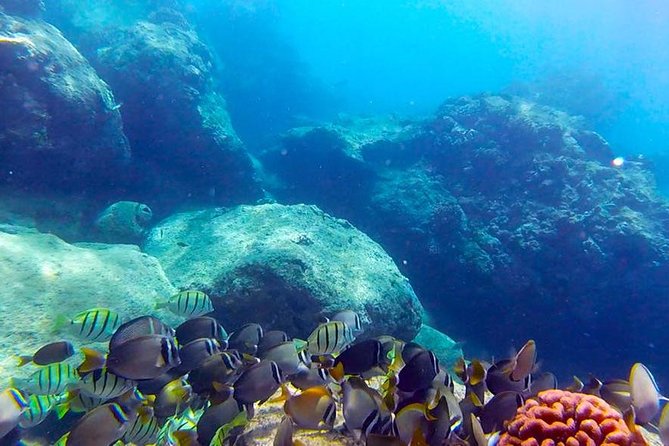
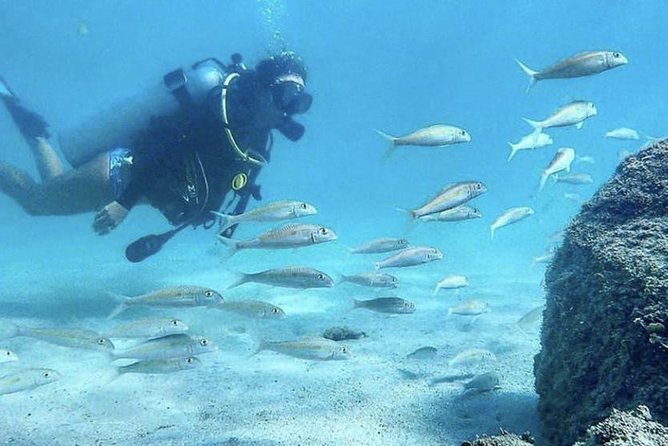
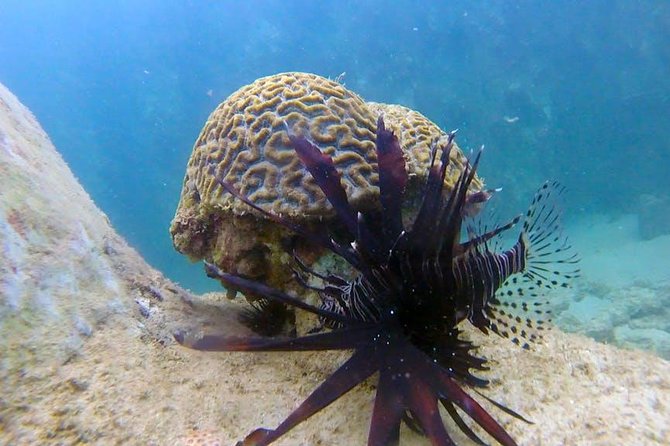
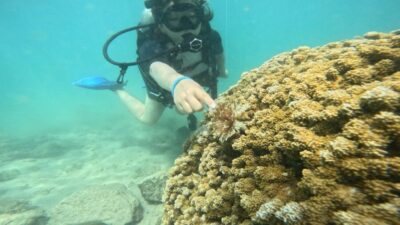
You may see fish, sea stars, octopuses, sea cucumbers, jellyfish, spotted boxfish, and other small marine life. Some sessions have produced many fish and coral sightings. A guide may point out a starfish for you to hold, though you should always follow instructions about touching marine life.
Dolphins were also seen during one session, but you should treat that as a lucky possibility, not part of the promise. The same applies to any particular animal. Nature does not work from a checklist.
Patient instructors make the biggest difference
For this kind of activity, the instructor matters more than the scenery. A calm guide can turn a worried beginner into someone who stays underwater for most of the session. A rushed or distracted guide can make the same equipment feel intimidating.
Alex is repeatedly praised for clear directions, patience with nervous participants, and helping people get comfortable both on land and underwater. Nick is noted for staying alert to safety and checking on participants throughout the session. Danny is described as friendly and patient, while Rida has helped beginners feel secure and taken plenty of photos.
Instructor assignments can change, so you cannot count on a specific person unless the operator confirms it. But these names give you a useful sense of what good instruction looks like here: simple explanations, close supervision, and the willingness to slow down when someone needs more time.
You should also expect a group lesson rather than private attention. The maximum is 16 people per booking, and the activity is not advertised as private. If you need constant one-to-one guidance, ask about that before booking. For most beginners, a small group is enough, especially when the instructor is attentive.
The session also has a light, friendly side. Some guides use jokes to ease tension, while still taking safety seriously. That balance is useful. You want reassurance, not a lecture delivered with a stern face.
More Honolulu tours:
- Pearl Harbor, USS Arizona Memorial & Honolulu City Tour
★ 5.0 · 4,866 reviews - Waikiki Trolley Hop-On Hop-Off Tour of Honolulu
★ 4.5 · 4,783 reviews - Pearl Harbor, National Memorial Cemetery and Honolulu City Tour
★ 4.5 · 1,777 reviews - Honolulu: Glass Bottom Boat Tour along Oahu’s South Shore
★ 4.6 · 1,575 reviews
Marine life and the limits of a short session
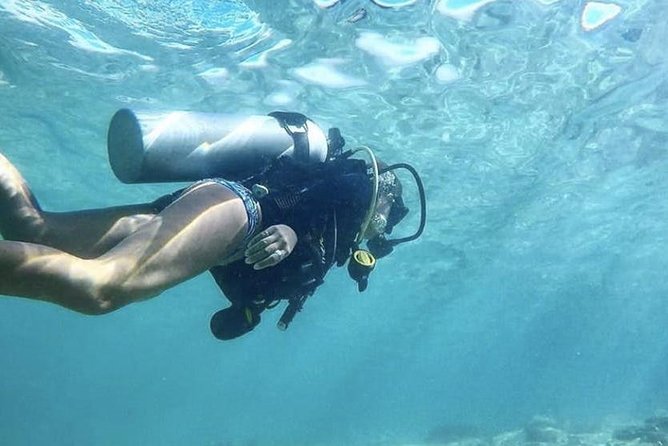
The underwater world here can be surprisingly varied for a short shore-based lesson. Bright tropical fish, sea stars, octopuses, coral, sea cucumbers, and boxfish are all possible sights. Because the instructor knows the area, you may notice small creatures that you would miss on your own.
You should not book this expecting a wildlife safari. The experience lasts about 90 minutes from start to finish, and part of that time goes to fitting gear and learning the basics. One person found the underwater portion very short, even though the instruction and staff were pleasant.
That criticism is fair. This is an introduction, not a full recreational scuba outing. Its value comes from trying the activity safely and deciding if you want formal certification later. Several participants left interested in taking the next step, which is a good result for a first lesson.
The earliest morning session may offer better conditions for seeing marine life. An 8 a.m. booking had participants entering the water around 8:45 and returning around 9:05, so you should allow for setup time. The exact schedule can vary, but that example shows why you should not plan a tight appointment immediately afterward.
Wind and water clarity can change the experience. If conditions are poor, the operator may cancel and offer another date or a full refund. Even when the session goes ahead, murky water may reduce what you see.
Free videos add real value at $89
The price is $89 per person. For a short first-time scuba session, that is a reasonable price if you value the instruction, included equipment, and underwater media.
You are not paying only for access to the lagoon. The cost includes a professional guide, safety instruction, wetsuit and scuba equipment, a small-group format, and photos or video from the session. Renting a camera separately or arranging your own underwater photography would add cost and hassle.
The video is also useful because your hands and attention are occupied underwater. You cannot easily record your own first breaths, close encounters with fish, or attempts to move with fins. Having the guide handle the camera lets you focus on staying calm and following instructions.
There is one important catch: if the camera malfunctions, there is no refund for the tour. The video is a bonus, not the core product. Book this for the supervised underwater lesson first, and treat the GoPro files as an extra.
The media is commonly sent by AirDrop after the activity. If you use a device that cannot receive AirDrop, confirm how the files will be delivered before you go. The supplied details specifically mention AirDrop in several sessions, but do not promise a particular transfer method for every phone.
Who will enjoy this most
This is a strong match for first timers, couples, solo visitors, and families with older children who are comfortable in the water. It also suits certified or moderately experienced divers who want a relaxed refresher rather than a demanding outing.
You will get the most from it if you are curious, reasonably fit, and willing to listen closely. You must be able to walk with the equipment, and you should feel comfortable entering the water without prior swimming experience.
It is less suitable if you want a long open-ocean session, guaranteed coral viewing, or a private instructor. It is also not the right choice if you plan to fly within 12 hours afterward. That post-scuba timing matters, so schedule the activity early enough in your holiday.
Prescription glasses cannot be worn under the mask. Contact lenses are allowed, or you may go without glasses because underwater magnification makes objects appear about 25 percent closer and larger. Bring what works for you, but do not expect to use ordinary spectacles.
The meeting point is Magic Island Lagoon, and the activity ends there. Hotel pickup and drop-off are not included, but the location is near public transportation. Service animals are allowed.
How to prepare for a smoother morning
Wear or bring practical beach clothing, and allow time to walk while carrying the gear. The equipment is supplied, but you are responsible for arriving ready for an active water session.
Choose an early time if seeing marine life is a priority. Morning conditions may be better, though wind and clarity can still change the result. Do not schedule a flight within 12 hours after the activity.
If you are nervous, say so at the start. The instructors are there to teach you, not test you. Tell them about trouble with a mask, fins, breathing, or water comfort as soon as it happens. Staying quiet while anxious does not help you or the group.
If your plans change, cancellation is free up to 24 hours before the start time. Cancellations made within 24 hours are not refunded, and changes in that window are not accepted. If poor weather cancels the session, you can choose another date or receive a full refund.
Should you book this Honolulu scuba lesson?
Book it if you want a low-pressure first taste of scuba, a sheltered setting, and a guide who stays close. The included gear and GoPro media make $89 fair, especially if you are not ready to commit to certification.
Skip it if your main goal is a long reef excursion or guaranteed clear water. The lagoon can be calm and full of small marine life, but it can also feel enclosed, murky, and brief.
For most beginners, I would book an early session, leave space in the schedule afterward, and focus on the lesson rather than counting animals. With a patient instructor such as Alex, Nick, Danny, or Rida, you have a good chance to leave with new underwater skills, a few memorable sightings, and a clear idea of whether formal scuba training belongs in your future.
FAQ
Do I need scuba certification?
No. The experience is designed for people without prior certification and includes a safety lesson and equipment instruction.
Do I need to know how to swim?
No swimming experience is required, but you must be comfortable in the water and able to walk while wearing the equipment.
How deep does the session go?
The maximum depth is around 15 feet.
Where does the activity meet?
You meet at Magic Island Lagoon in Honolulu, within Ala Moana Beach Park. The activity ends at the same meeting point.
Is hotel transportation included?
No. Hotel pickup and drop-off are not included, though the meeting point is near public transportation.
Is scuba equipment included?
Yes. The activity includes the scuba gear, wetsuit, and other equipment needed for the session.
Are photos and videos included?
Yes. Complimentary GoPro photos and video are provided after the session. If the camera malfunctions, the tour price is not refunded.
Can I wear prescription glasses under the mask?
No. Prescription glasses cannot be worn under a scuba mask. Contact lenses are allowed, or you may go without them because underwater magnification makes objects appear about 25 percent closer and larger.
Can I fly after the activity?
Flying within 12 hours after scuba is not recommended. Plan your schedule accordingly.
Newest Honolulu write-ups
- Private Round-Trip Transfer: Honolulu International Airport to Hotel or Cruise Terminal★ 4.0 · 34 reviews
- Private Surf Lessons in Honolulu★ 5.0 · 76 reviews
- Private One-way Airport Transfer Honolulu Airport To Honolulu★ 4.0 · 24 reviews
- Private “Limousine” USS Arizona Memorial & Cultural Honolulu Tour★ 5.0 · 3 reviews
- Semi Private Honolulu Historical Tour★ 5.0 · 11 reviews
- Private Departure Transfer: Oahu Hotels or Honolulu Cruise Terminal to Honolulu International Airport★ 3.5 · 8 reviews
- Private Arrival Transfer: Honolulu International Airport to Oahu Hotels or Cruise Terminal★ 3.5 · 31 reviews
- Pearl Harbor and Honolulu City Tour★ 3.5 · 37 reviews
Oahu Scuba Diving, compared.
Beginner Scuba Diving Experience with Video Package in Honolulu
Read our review →
Certified Diver: 2-Tank Deep Wreck and Shallow Reef Dive Off Oahu
Read our review →
Incredibly Fun Coral Reef Giant Sea Turtles 4hour Boat Scuba Tour
Read our review →
Certified Diver: 2-Tank Shallow Reef Dives off Oahu
Read our review →
Waikiki 2 Tank World Class Wreck SCUBA Diving – Certified Only
Read our review →
Browse the lists this tour appears in