
Reviewed · OAHU SCUBA DIVING
Oahu: Wreck & Reef Scuba Dive for Certified Divers
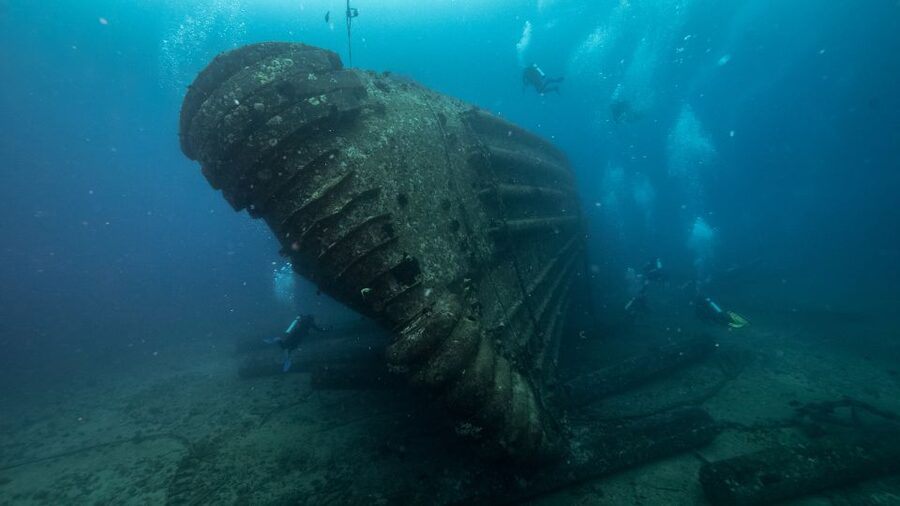
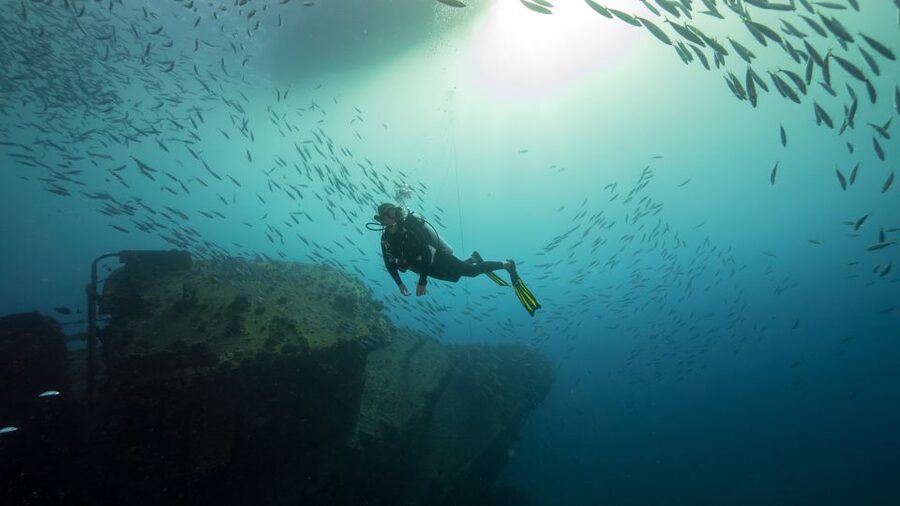
Oahu’s south shore offers a rare chance to swim around a real shipwreck at recreational depths. You may visit the Sea Tiger, resting in 123 feet of water with its upper decks at 60 to 90 feet, or the YO-257 and San Pedro, two wrecks set about 50 yards apart. Resident turtles, whitetip reef sharks, moray eels, rays, and large schools of fish make the wrecks more than cold metal on the seafloor.
I like the small-group format and the fact that PADI professionals lead both underwater stops. I also like the practical all-in price: quality equipment and wetsuits are included, along with water, soda, energy bars, and gummies for the interval between outings.
The main caution is that conditions can shape the route. Strong currents may rule out the San Pedro, and one past outing was much shorter and less satisfying than expected. You need solid swimming ability, proof of certification, and enough comfort in English to follow safety instructions.
Key points for your Oahu scuba day
- Sea Tiger reaches 123 feet, while the upper deck and superstructure sit at more manageable recreational depths.
- YO-257 and San Pedro lie side by side, but San Pedro is only visited when current and sea conditions cooperate.
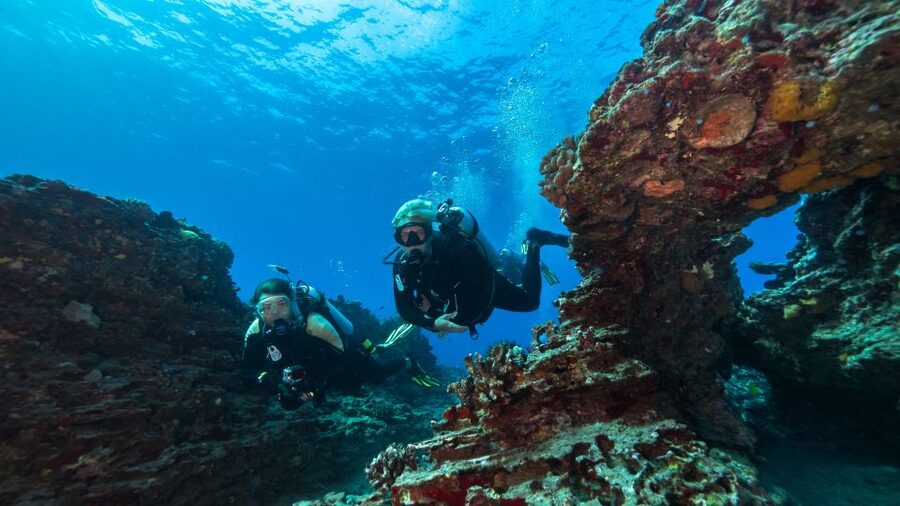
- A reef stop follows the wreck, giving you a change from steel hulls to coral, fish, eels, rays, and turtles.
- Premier gear and wetsuits are included, so you do not need to bring a full kit.
- The boat has shaded and sunny decks, room to move, and an onboard restroom.
- You must arrive 30 minutes early with proof of PADI or another approved certification.
Why these Oahu wrecks are worth your time
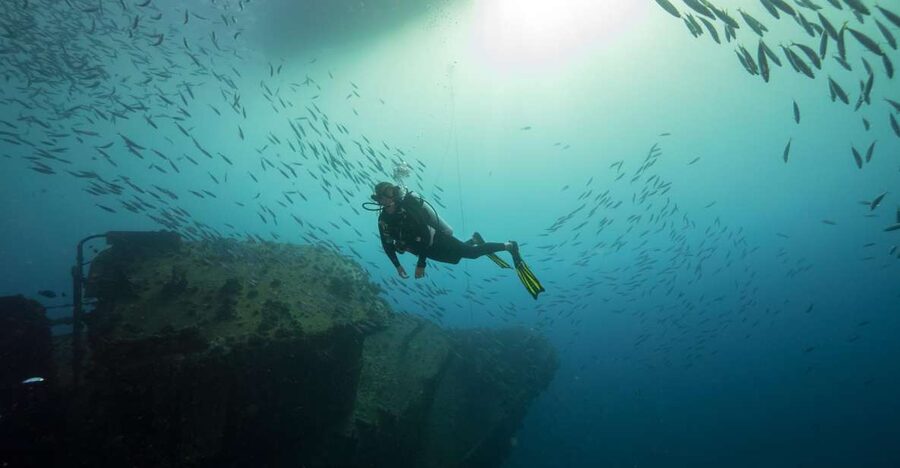
For certified scuba visitors, this trip offers something that a standard reef outing cannot: a clear sense of place beneath the water. These are not artificial training platforms or small objects placed for photographs. You are exploring former vessels with decks, superstructures, and hulls that now shelter marine life.
The Sea Tiger is the more dramatic single-wreck option. The ship rests in 123 feet of water, but you do not spend the whole outing at that depth. Its upper structure and deck are between 60 and 90 feet, where you can inspect the ship while keeping an eye on your air supply, depth, and time.
That combination matters. You get the scale and atmosphere of a deeper wreck without needing to treat the entire visit as an advanced technical outing. Still, 123 feet is serious recreational territory. Your certification, recent experience, and personal comfort in deeper water should guide your choice to book.
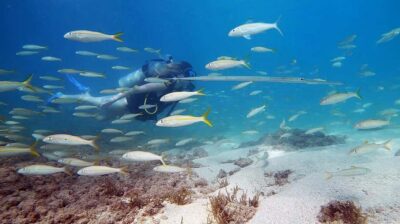
The wreck is also known for marine life. Keep watch around the structure for whitetip reef sharks, sea turtles, moray eels, eagle rays, and dense schools of fish. No wildlife encounter is guaranteed, but the mix of shelter, shade, and structure gives you plenty to look for besides the wreck itself.
The YO-257 and San Pedro offer a different kind of outing. The two ships sit about 50 yards apart, with the YO-257 in roughly 115 feet of water. Its deck and upper sections are found at 70 to 90 feet. If the guide can take you to both, you get the fun of comparing two nearby wrecks during the same underwater session.
San Pedro is shallower, but that does not make it automatically easier. The site can experience strong currents, so it is visited only when conditions are suitable. That is a sensible safety choice, even if it means your planned route can change on the day.
More dive trips in Oahu:
- First-Time Scuba Diving in Honolulu + Free Videos
★ 5.0 · 3,123 reviews - Beginner Scuba Diving Experience with Video Package in Honolulu
★ 5.0 · 877 reviews - Certified Diver: 2-Tank Deep Wreck and Shallow Reef Dive Off Oahu
★ 5.0 · 331 reviews
From Kewalo Basin to the first underwater stop
You meet at Unit 109 at the harbor, with check-in required 30 minutes before the scheduled departure. That early arrival is not wasted time. You need to complete waivers, show proof of certification, and be fitted with equipment.
The departure point is Kewalo Basin. Parking there costs $2 per hour, while Ala Moana Beach Park offers free parking. I would allow extra time for parking and walking, especially if you are carrying personal equipment or a towel.
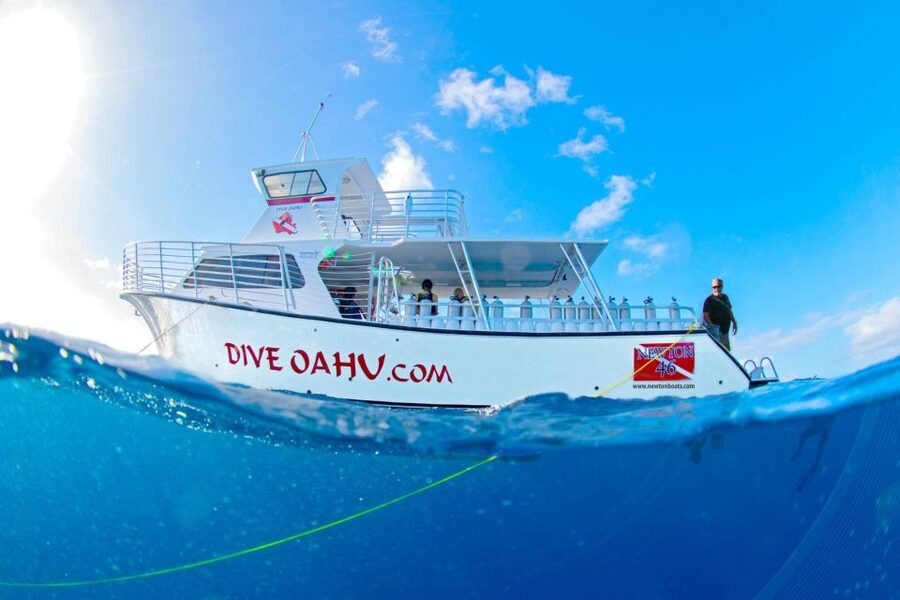
Once aboard, the boat gives you a more comfortable base than a cramped rigid inflatable. You have a sun deck, a shaded deck, room to move around, and a restroom. Those details matter on a three-hour outing, particularly when you are wearing gear, waiting between underwater sessions, or dealing with a rolling sea.
The crew supplies premier gear and wetsuits at no added charge. You still need to bring your swimsuit, towel, sunscreen, and certification card or other proof of approved training. The instruction is in English, so you should be able to understand briefings and follow underwater directions clearly.
What the wreck session feels like
The first underwater visit is the main event. Your guide leads you around one of the wreck options, pointing out the structure and marine life. The exact route depends on the current, visibility, and other conditions, so you should think of the listed wrecks as possible sites rather than a promise that every ship will be visited.
At Sea Tiger, the upper portions provide the best balance of access and visual interest. Look along the deck and around the superstructure for turtles resting on or near the ship, small whitetip reef sharks below, and moray eels tucked into openings. Schools of fish can make the metal structure feel unexpectedly busy.
The wrecks also give your guide natural reference points. You can move from a broad deck view to smaller details such as openings, rails, and marine life around the hull. The experience is less about rushing from one feature to another and more about managing your depth and air while observing what has made the ship home.
The YO-257 and San Pedro option adds variety. Seeing two ships close together gives you a sense of the site’s scale and lets you compare their positions and condition. The 50-yard distance between them sounds short on land, but underwater it still needs to be handled as part of a planned, guided route.
Do not assume that the deepest listed point is where you will spend most of your time. The information provided gives maximum and structural depths, while actual conditions, air consumption, and the group’s pace shape the route. That is normal for guided recreational scuba, and it is another reason to listen closely during the briefing.
The surface interval is part of the experience
After the wreck session, you return to the boat for a relaxed surface interval. Water, soda, energy bars, and gummies are available, which is welcome after exertion in the water. You can use the break to hydrate, eat something light, and take in the coast from the deck.
This is also when you reset for the second underwater stop. A three-hour schedule moves quickly, so use the interval well. Check your equipment, ask questions, and make sure you understand the next site before getting back in.
The boat’s shaded area is useful here. You can avoid sitting in direct sun while still enjoying the surroundings. There is also enough room to move around rather than remain packed into one small seating area.
The crew’s role matters during this part of the outing. The guides and captain are described as friendly and willing to explain what you are seeing. Because the trip is conducted in English, ask for clarification if a site change or safety instruction is unclear. Underwater is not the place to guess.
Same island, a completely different kind of day:
- Oahu Grand Circle Island and Haleiwa Tour: 9-Hr Deluxe Experience
★ 5.0 · 17,387 reviews - Oahu: Grand Tour Around Island 16 Locations plus Snorkeling
★ 5.0 · 8,669 reviews - Parasailing Experience in Waikiki, HI
★ 5.0 · 7,692 reviews - Salute to Pearl Harbor Including USS Arizona
★ 4.5 · 7,433 reviews
The reef stop changes the pace
The second underwater visit shifts attention from wreck exploration to Oahu’s reef life. This is a good design choice. After focusing on large steel structures, you get a closer look at the smaller ecosystem around a favorite Honolulu reef site.
You might see turtles, sharks, eels, rays, octopus, starfish, crabs, Hawaiian endemic fish, and dolphins. Wildlife sightings depend on the day, but the reef provides more varied shapes and behavior than a single shipwreck. Look carefully in crevices and along the seafloor rather than only scanning for large animals.
The reef session is also described as more relaxed than the wreck outing. That makes it a useful second stop for anyone who wants variety rather than two similar ship inspections. One guest described a turtle following the guide and coming close to the group, an unusual encounter that shows how curious marine life can be without suggesting that every outing will produce the same moment.
The reef is not a consolation prize if you miss a wreck. It is a different kind of underwater experience, with its own appeal. Still, if your main reason for booking is a specific ship, ask the crew about conditions and the likely site before departure.
Marine life is a major reason to book
The wildlife list is unusually strong for a short recreational outing. Whitetip reef sharks, turtles, eels, rays, octopus, crabs, starfish, and endemic Hawaiian fish all offer different ways to spend your time underwater.
Turtles are among the most likely crowd favorites because they are large, recognizable, and often found around wrecks and reefs. Sharks add excitement, but the listed animals are generally observed as part of the environment rather than treated as a guaranteed wildlife show.
The wrecks themselves help create habitat. Fish gather around the structure, moray eels use gaps for shelter, and turtles may rest near the ship. If you enjoy photography, the mix of dark metal, open water, and animals gives you more interesting subjects than a bare sandy bottom.
Dolphins are also possible, though you should treat that as a lucky extra rather than part of the core promise. The same goes for eagle rays and larger groups of fish. Conditions, timing, and animal behavior are outside the operator’s control.
How the $248 price compares with the experience
At $248 per person, this is not a budget water activity. The value comes from what is bundled into a short but well-equipped outing: two underwater sessions, a charter boat, a PADI-certified instructor, premier equipment, wetsuits, snacks, and refreshments.
You also avoid the cost and hassle of bringing a full set of gear. That matters if you are visiting Oahu with luggage rather than traveling as a dedicated scuba enthusiast. The boat includes a restroom, shaded space, and room to move, which adds comfort that a bare-bones operation may not provide.
The price feels strongest when you get the intended combination of a wreck and reef. One earlier outing reportedly included a first session of about 20 minutes and a long period spent circling without reaching the wrecks. That is a significant disappointment at this price, even though sea conditions can force changes.
For that reason, I would ask about current conditions at check-in and keep your expectations flexible. The crew cannot control the ocean, but you can decide if a weather-dependent wreck outing fits your plans. If the wreck is your single reason for booking, avoid scheduling this as the only activity on a tightly timed day.
Who should book this trip
This outing is best for certified scuba participants who want wrecks, marine life, and a guided format. You should be able to swim, be in good health, and feel comfortable following instructions in English.
It suits you especially well if you:
- Want a guided route rather than planning independent shore access
- Need gear and a wetsuit supplied
- Like combining a wreck with a reef
- Enjoy looking for turtles, sharks, rays, and fish
- Prefer a boat with shade, a restroom, and room to move
- Have enough schedule flexibility for changing sea conditions
It is not suitable for children under 15 or pregnant women. You also need to avoid flying for 24 hours after scuba activity, so plan this near the middle or end of your Hawaii stay rather than the day before your flight.
The experience is wheelchair accessible, but the supplied information does not explain the exact boarding or transfer arrangements. If that detail affects your booking, contact Dive Oahu before paying so you can confirm the practical setup.
Practical advice before you board
Bring swimwear, a towel, sunscreen, and proof of certification. Your booking confirmation should arrive by email from the local partner, so check the address you provide. If it does not arrive within two hours, contact the operator directly.
Arrive at least 30 minutes early. You will need time for waivers and equipment fitting, and a late arrival could create stress before a safety-focused activity.
Do not book this for the day before a flight. The stated guidance is to wait at least 24 hours after scuba activity before flying, and that rule should shape your whole Oahu schedule.
Finally, arrive ready for the ocean you have, not the ocean shown in a brochure. The route may use Sea Tiger, YO-257, San Pedro, or a different reef plan depending on conditions. Strong current can make San Pedro unsuitable, and an earlier outing had a disappointing wreck result. The responsible choice is to accept that the sea controls part of the program.
Should you book Dive Oahu’s wreck and reef outing?
Book it if you are a certified diver who values a guided boat trip, supplied equipment, and a real chance to see both shipwrecks and reef life in one morning. The Sea Tiger and YO-257 provide the strongest reason to go, while the reef stop and possible turtles, sharks, rays, and endemic fish add variety.
Think twice if you need a guaranteed wreck visit, dislike current, or have no room in your schedule for the 24-hour no-fly rule. At $248, the trip needs to deliver more than a short underwater look to feel worthwhile.
My call: this is a good choice for a properly certified diver who understands that conditions control the route. Arrive early, listen carefully, ask about the day’s sites, and treat the reef as a full part of the experience rather than a backup plan.
FAQ
How long is the Oahu wreck and reef scuba outing?
The activity lasts three hours.
How much does the experience cost?
The price is $248 per person.
Do I need scuba certification?
Yes. You must show proof of certification through PADI or another approved diving course before boarding.
What wreck sites might I visit?
You may visit the Sea Tiger, or the YO-257 and San Pedro wreck sites. The final route depends on conditions.
How deep are the wrecks?
The Sea Tiger rests in 123 feet of water, with its superstructure and deck at 60 to 90 feet. The YO-257 rests in 115 feet, with its upper sections at 70 to 90 feet.
Is equipment included?
Yes. Premier gear rental and wetsuits are included at no additional cost.
What food and drinks are provided?
The boat provides snacks and refreshments, including water, soda, energy bars, and gummies.
Where do I meet the boat?
Meet at Unit 109 at the harbor in Kewalo Basin. Parking costs $2 per hour there, while Ala Moana Beach Park has free parking.
Can I fly after the activity?
You should not fly within 24 hours after scuba activity.
Newest Oahu write-ups
- Private Surf Lessons in Honolulu★ 5.0 · 76 reviews
- Private Round-Trip Transfer: Honolulu International Airport to Hotel or Cruise Terminal★ 4.0 · 34 reviews
- Private Pearl Harbor USS Arizona Memorial★ 4.5 · 3 reviews
- Private Pearl Harbor and Mini Circle Island Tour from Waikiki★ 5.0 · 8 reviews
- Passport to Pearl Harbor “Private”★ 5.0 · 4 reviews
- Pearl Harbor USS Arizona and USS Missouri “Private”★ 5.0 · 10 reviews
- Private Tour Oahu – up to 6 passengers – Customizable★ 5.0 · 3 reviews
- Private One-way Airport Transfer Honolulu Airport To Honolulu★ 4.0 · 24 reviews
Oahu Scuba Diving, compared.
First-Time Scuba Diving in Honolulu + Free Videos
Read our review →
Beginner Scuba Diving Experience with Video Package in Honolulu
Read our review →
Certified Diver: 2-Tank Deep Wreck and Shallow Reef Dive Off Oahu
Read our review →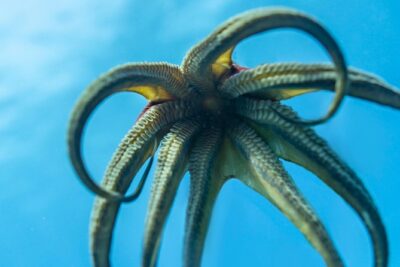
Incredibly Fun Coral Reef Giant Sea Turtles 4hour Boat Scuba Tour
Read our review →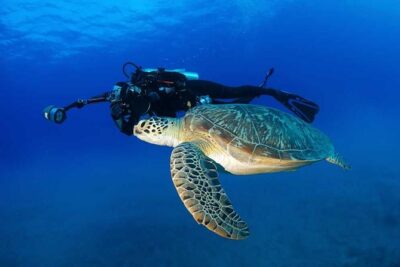
Certified Diver: 2-Tank Shallow Reef Dives off Oahu
Read our review →
Waikiki 2 Tank World Class Wreck SCUBA Diving – Certified Only
Read our review →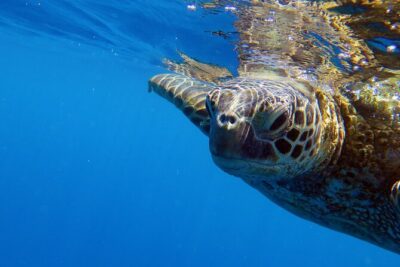
Browse the lists this tour appears in