
Reviewed · OAHU WHALE WATCHING TOURS
Oahu: Whale Watching Cruise Whales Guaranteed
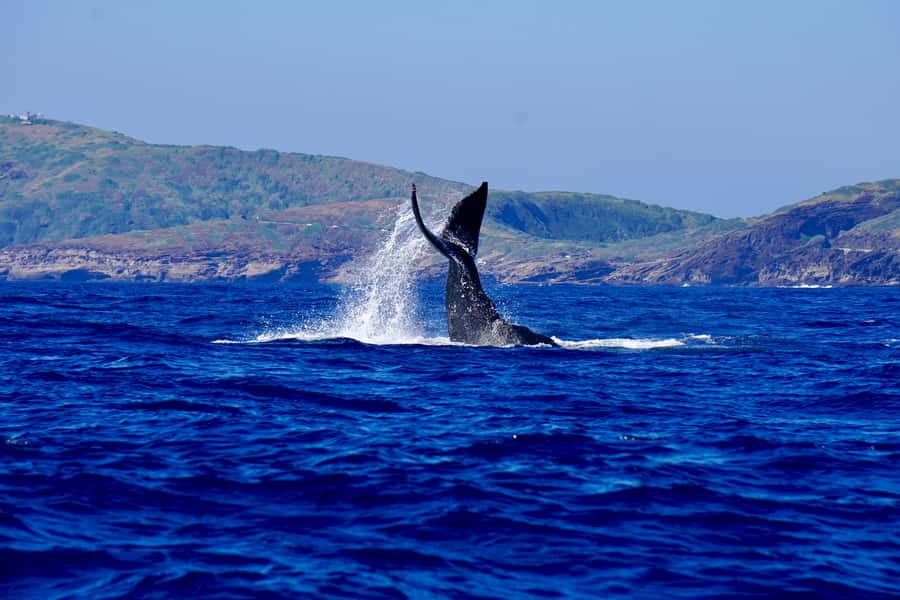
The main attraction is simple: from January through April, humpback whales gather around Hawaii to mate and give birth, and this 90-minute cruise puts you on the water during the best afternoon and sunset viewing hours. You may see breaches, tail slaps, calves, or dolphins, with Waikiki Beach and Diamond Head forming the backdrop.
I like the free return trip if no whales appear, since wildlife never follows a schedule. I also like the double-decker boat, which gives you a choice between higher views and a lower spot closer to the water. The main catch is that whales are common, not certain, and seasickness or rough water could make the ride uncomfortable.
Key points to know before you book
- Whale season runs from January through April, when humpbacks come to Hawaii to mate and give birth.
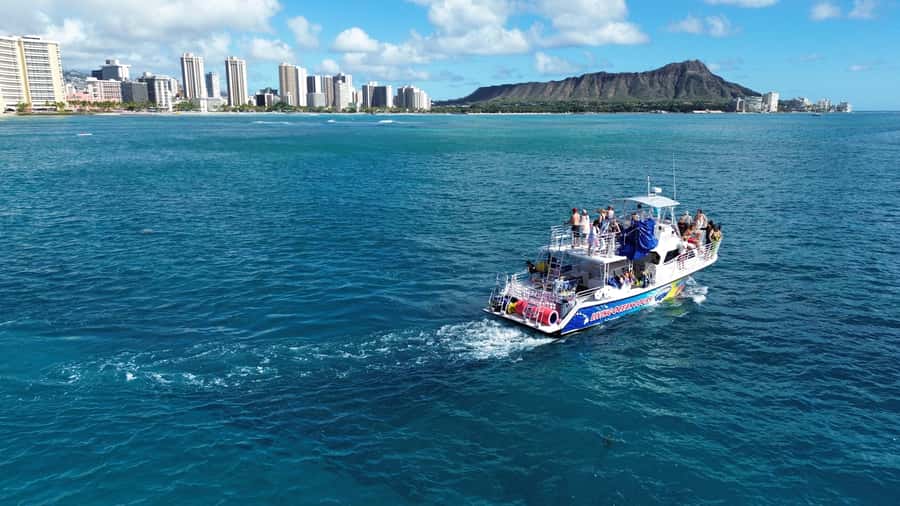
- Afternoon and sunset departures offer the best setting, with Waikiki Beach and Diamond Head viewed from offshore.
- Captains actively search for whales, and recent departures have included mom-and-calf sightings, pods of three, spinner dolphins, and whales close to the boat.
- The free return policy matters, since no wildlife cruise can promise a sighting on every departure.
- The double-decker power boat offers several viewing positions, plus light snacks, sodas, juices, and water.
- This is not a good fit for everyone, especially children under three, pregnant women, people with back problems, or anyone prone to seasickness.
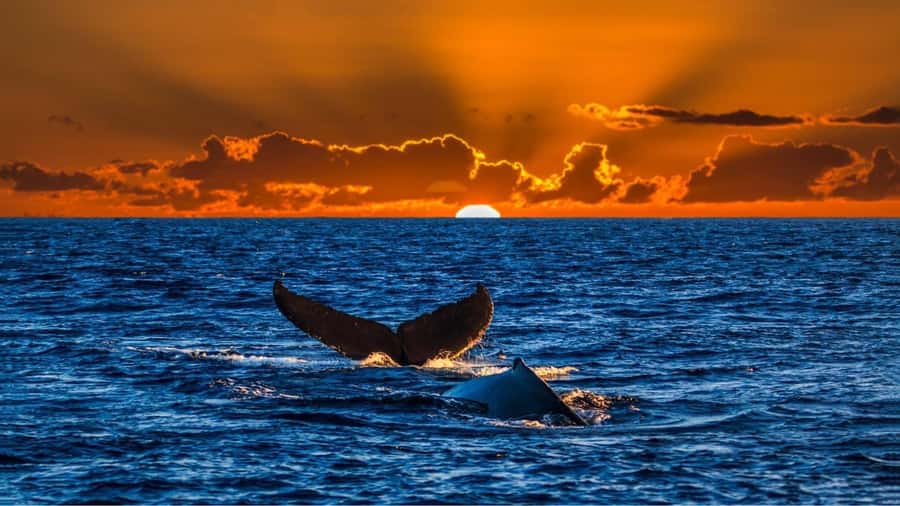
A sunset whale cruise with Waikiki in the background
This trip begins at Pier B in Kewalo Basin Boat Harbor, a useful location if you are already in the Waikiki area and want to reach the water without arranging hotel transport. The tour does not include pickup or drop-off, so you need to make your own way to the harbor.
Once aboard, you get a moving view of Oahu that is quite different from the beach. Waikiki Beach stretches along the shore, while Diamond Head rises to the east. From the boat, you can see how the resort district and volcanic crater fit together. At sunset, the light changes the view every few minutes, which gives the cruise a second purpose even during a quiet whale day.
I would book this as a relaxed afternoon outing rather than as a rushed wildlife mission. The boat ride itself is part of the pleasure. You are watching the horizon, listening for a blow, and waiting for the captain to point out a movement in the water.
The listed price is $56 per person. That is fair for a 90-minute boat trip with a live guide, access to a double-decker power boat, snacks, and nonalcoholic drinks. The value improves if you see whales and enjoy the sunset, but it is also helped by the free return offer if the ocean stays empty.
More whale watching trips in Honolulu:
- Best Waikiki Whale Watching in Honolulu: Whales Guaranteed
★ 4.5 · 196 reviews - Honolulu, Oahu: Waikiki Whale Watching Cruise
★ 3.5 · 166 reviews - Whale Watching & Late Breakfast Cruise in Honolulu
★ 4.0 · 161 reviews
What happens during the 90 minutes
The route is presented in two main viewing stretches. One takes place off Waikiki Beach for about 45 minutes, followed by another 45 minutes near the Diamond Head Lighthouse area. These are not land stops where you get off the boat. Think of them as parts of the offshore search route.
Near Waikiki, you can keep the shoreline in view while scanning the water for a blow or a dark back. This section gives you the classic postcard setting, with hotels, sand, and Diamond Head visible together. It is also a good time to take photographs before the light fades.
The Diamond Head portion shifts your attention farther along the coast. The lighthouse area gives the captain another stretch of water to search, and you get a different angle on the coast. If a whale surfaces nearby, the view can change from scenic to thrilling in a few seconds.
The captain may slow down, change direction, or reposition the boat when a whale is spotted. That is normal on a wildlife cruise. You should not expect a fixed parade of animals. A whale can surface once and vanish for several minutes, so patience helps.
The return to Living Ocean Tours completes the loop. The official duration is 90 minutes, although the wider description allows for a 1.5 to 2 hour range. Check the departure details when booking, but plan on at least an hour and a half on the water.
Why January through April is the right season
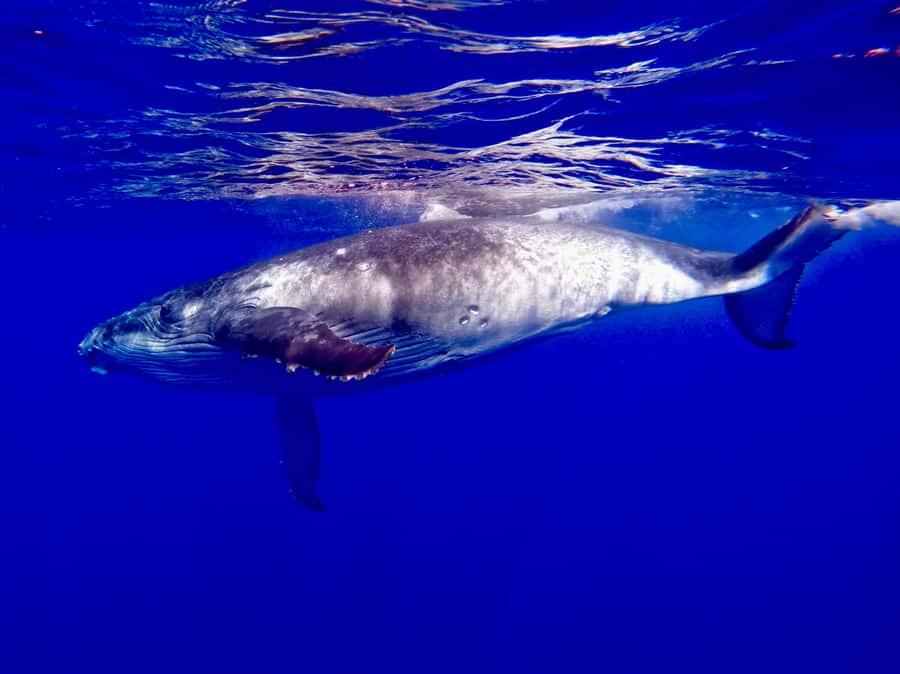
Humpback whales visit Hawaii during the winter and early spring after migrating to warm waters. The purpose of the visit is mating and giving birth, which is why this period offers a better chance of seeing active whales and calves than other times of year.
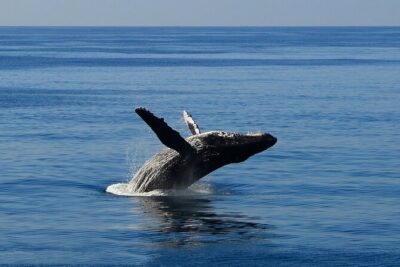
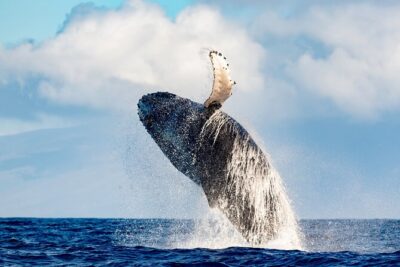
You may see a whale breach, slap its tail, roll at the surface, or travel beside another whale. You might also see a mother and calf, an especially memorable sight because the calf often stays close to the adult. Recent trips have included a mother and calf, a baby whale, a pod of three whales, and spinner dolphins.
The timing is important. This cruise operates daily from January through April, aligning with the main humpback season. If whale watching is high on your Oahu list, schedule it during this window rather than assuming every month offers the same chance.
Even in season, the ocean has the final say. The company says sightings are common, but not guaranteed. If you see nothing, a free return trip is offered, which gives the policy real value. I would still choose a departure early enough in your itinerary to allow a second attempt if whales are your main goal.
Finding the best place on the boat
The double-decker design gives you more than one way to watch. The upper level should provide a wider view of the horizon, while the lower level may feel more sheltered and closer to the water. I would move around when it is safe and practical, since the best viewing side can change as the boat turns.
You need to bring sunglasses, a hat, sunscreen, and a camera. The sun can be strong even when the air feels mild, and the reflection off the water adds to the glare. A hat also helps during the open-water portion, though you should hold onto it securely.
Sunset creates lovely photographs of Diamond Head and Waikiki, but low light can make whale pictures harder. If getting a sharp whale photo matters to you, keep your camera ready before sunset rather than waiting for the perfect moment. You may only have a second when a back, fin, or tail appears.
The crew may also help with photographs. One recent sunset trip included assistance taking pictures of the people aboard, which is useful if you want a group shot with the coastline behind you. Do not let the camera take over, though. Whale sightings are brief, and your eyes may catch more than your screen.
Same island, a completely different kind of day:
- Pearl Harbor, USS Arizona Memorial & Honolulu City Tour
★ 5.0 · 4,866 reviews - Waikiki Trolley Hop-On Hop-Off Tour of Honolulu
★ 4.5 · 4,783 reviews - First-Time Scuba Diving in Honolulu + Free Videos
★ 5.0 · 3,123 reviews - Pearl Harbor, National Memorial Cemetery and Honolulu City Tour
★ 4.5 · 1,777 reviews
The crew and the guide commentary
The live English commentary adds useful context while you search. The guides explain whale behavior and marine ecology, so you are not left staring at an empty horizon without knowing what to look for.
The crew names associated with recent departures include Captain Kevin, Captain Jason, Captain Shawn, Tanner, Missy, Haley, and Taylor. Their roles and availability can change, but the strongest pattern is an active crew that keeps watching and helps guests follow the action.
Captain Jason was praised for staying focused on the search. Captain Shawn, Tanner, and Missy were described as helpful and engaged with people aboard. Captain Kevin and crew members Tanner and Missy were also singled out for explaining what was happening and helping guests enjoy the trip.
That matters because a good wildlife captain does more than steer. The captain must watch the water, judge where an animal may surface, and position the boat without chasing or crowding it. One departure included a captain who predicted where whales would surface, while another found a whale during the final 20 minutes after a long search.
You should still keep expectations realistic. One recent trip produced no whales, and the passenger felt that the captain did most of the searching while the rest of the crew seemed less involved. That is a useful reminder that crew energy can vary from day to day, and a wildlife sighting remains outside anyone’s control.
Dolphins, calves, and other possible sightings
Humpbacks are the main reason to book, but you may see other marine life along the way. Spinner dolphins appeared on more than one recent departure, and one cruise included dolphins along with a mother and calf.
These sightings add value without changing the basic nature of the trip. The route is designed around humpback season, not as a guaranteed dolphin tour, so treat dolphins as a welcome extra.
A calf can be harder to spot than a large adult, but the sight of a smaller whale beside its mother is worth watching for. Keep scanning after the first sighting, since whales often appear in groups or surface more than once.
If the captain announces a whale on one side, avoid crowding that rail if possible. The double-decker layout should give you different angles, and the animal may surface somewhere other than where it first appeared.
Snacks, drinks, and comfort on board
Light snacks, sodas, juices, and water are included in the listed tour details. The boat also has a bar area with snacks and drinks available for purchase. Because the information describes both included refreshments and items for sale, check the exact onboard offering when you arrive.
Meals are not included, so eat before boarding if you need more than a light snack. This is a short cruise, but hunger can make a rolling boat feel less pleasant.
Alcohol and drugs are not allowed, and smoking is prohibited. Those rules keep the small shared space more comfortable and help the crew maintain a safe setting for everyone.
People prone to seasickness should think carefully before booking. The tour is on open water, and the boat’s motion may be noticeable even on a pleasant day. Pregnant women and people with back problems are also advised not to take this activity. Children under three are not permitted.
Who will enjoy this cruise most
I would recommend this outing to anyone who wants a short wildlife trip without giving up scenic views of Oahu. It works especially well for couples, photographers, families with older children, and first-time visitors who want to see Waikiki and Diamond Head from offshore.
The sunset timing gives couples a more romantic setting, and one recent departure was described as a particularly romantic end to an Oahu trip. If you are marking a birthday, anniversary, or final evening, the combination of open water, coastline, and fading light has real appeal.
It is also a good choice if you prefer an active crew and direct commentary rather than a silent sightseeing ride. Captains such as Kevin, Jason, and Shawn have been praised for searching hard and staying involved with people aboard.
I would be more cautious if you need a guaranteed whale sighting, dislike boat movement, or have limited time in Oahu. In that case, book only if you can accept the possibility of using the free return trip. If your schedule allows just one short outing, the wildlife risk is worth considering.
Practical details before you reserve
The meeting point is Pier B at Kewalo Basin Boat Harbor. Hotel transportation is not included, so leave enough time to reach the harbor and find the correct pier.
The tour runs daily during the January through April whale season. Afternoon and sunset are identified as the best times, and sunset gives you the added benefit of warm coastal light.
You can cancel up to 24 hours before departure for a full refund. The reserve-now, pay-later option also lets you hold a place without paying immediately, which is useful if your Oahu schedule is still shifting.
Bring sunglasses, a hat, sunscreen, and a camera. Wear something you do not mind exposing to spray, though the available details do not promise a dry ride. Keep your belongings secure and follow the crew’s instructions around the rails and viewing areas.
Should you book the Living Ocean Tours whale cruise?
Book it if you want a reasonably priced, short whale trip with a strong chance of sightings, sunset views, and a free return option if the search fails. The most appealing parts are the active captains, the chance of seeing mothers and calves, and the view of Waikiki and Diamond Head from the water.
I would choose an afternoon or sunset departure during January through March, when you have the best chance of fitting a second attempt into your schedule if needed. April can still be worthwhile, since the cruise operates through the month, but the wildlife is never guaranteed.
Skip it if you are highly prone to seasickness, need hotel transport, or cannot tolerate the uncertainty of a wildlife outing. For everyone else, $56 buys a pleasant hour and a half on the water, with a fair safety net if the whales decide to keep their distance.
FAQ
Where does the whale watching cruise depart from?
The cruise departs from Pier B at Kewalo Basin Boat Harbor, operated by Living Ocean Tours.
How long is the cruise?
The listed duration is 90 minutes. The activity description gives a possible range of 1.5 to 2 hours, so check the exact departure details when booking.
When does the whale watching cruise operate?
The cruise operates daily from January through April, during Hawaii’s humpback whale migration season.
What time of day is best?
Afternoon and sunset are identified as the best viewing times. Sunset also provides views of Waikiki Beach and Diamond Head in changing light.
Are whale sightings guaranteed?
No. Whale sightings are common but not guaranteed. If no whales are seen, a free return trip is offered.
What animals might I see?
The main target is the humpback whale. Dolphins, including spinner dolphins, have also been seen, along with calves and mother-and-calf pairs.
What is included in the price?
The cruise includes the 90-minute whale watching trip, live English commentary, access to the double-decker power boat, and light snacks, sodas, juices, and water.
Is hotel pickup included?
No. Hotel pickup and drop-off are not included, so you need to reach Pier B at Kewalo Basin Boat Harbor yourself.
What should I bring?
Bring sunglasses, a hat, sunscreen, and a camera.
Who should not take this cruise?
The activity is not suitable for children under three, pregnant women, people with back problems, or people prone to seasickness. Smoking, alcohol, and drugs are not allowed.
More boat trips in Honolulu
- Honolulu: Glass Bottom Boat Tour along Oahu’s South Shore
★ 4.6 · 1,575 reviews - Arrival Transfer: Airport Shuttle Honolulu and Waikiki or Cruise Terminal
★ 4.0 · 1,242 reviews - Honolulu: Three Star Deluxe Sunset Dinner Cruise and Show
★ 4.5 · 1,204 reviews - Sunset Dinner Cruise in Honolulu, Hawaii
★ 4.0 · 1,023 reviews
Newest Honolulu write-ups
- Private Surf Lessons in Honolulu★ 5.0 · 76 reviews
- Private Round-Trip Transfer: Honolulu International Airport to Hotel or Cruise Terminal★ 4.0 · 34 reviews
- Private One-way Airport Transfer Honolulu Airport To Honolulu★ 4.0 · 24 reviews
- Private “Limousine” USS Arizona Memorial & Cultural Honolulu Tour★ 5.0 · 3 reviews
- Semi Private Honolulu Historical Tour★ 5.0 · 11 reviews
- Private Departure Transfer: Oahu Hotels or Honolulu Cruise Terminal to Honolulu International Airport★ 3.5 · 8 reviews
- Private Arrival Transfer: Honolulu International Airport to Oahu Hotels or Cruise Terminal★ 3.5 · 31 reviews
- Pearl Harbor and Honolulu City Tour★ 3.5 · 37 reviews
Oahu Whale Watching Tours, compared.
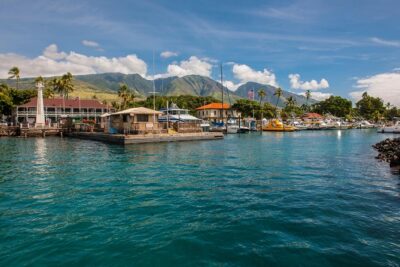
2-Hour Oahu Whale Watch from Ala Wai Harbor, Waikiki
Read our review →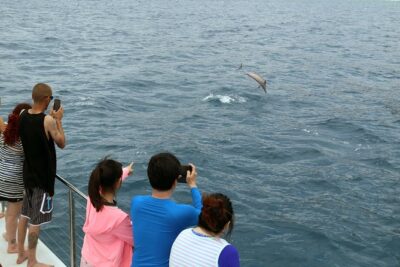
Luxury Snorkel Cruise, Local Buffet with Whale & Dolphin Watch
Read our review →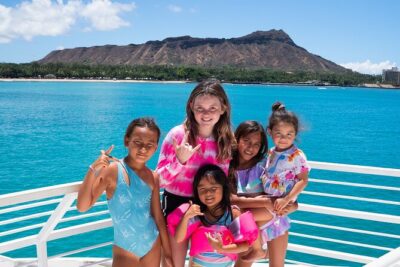
Waikiki, Oahu 2-Hour Whale Watching: Guaranteed Sightings
Read our review →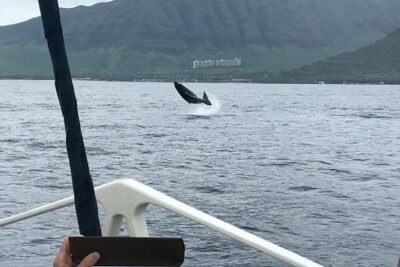
Best Waikiki Whale Watching in Honolulu: Whales Guaranteed
Read our review →
Browse the lists this tour appears in