
Reviewed · OAHU SCUBA DIVING
Oahu: Beginner SCUBA Dive at Electric Beach
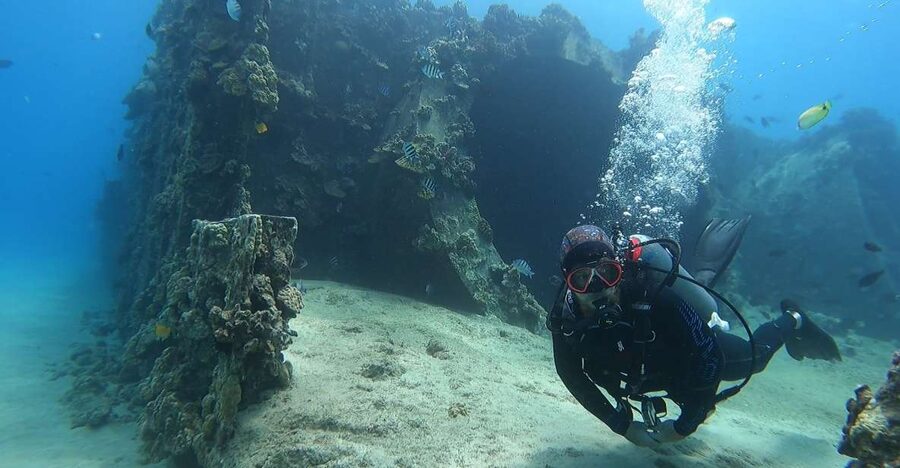
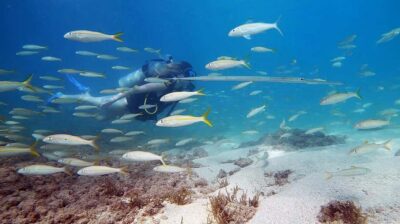
Electric Beach gives first-time scuba visitors a memorable start: warm Hawaiian water, reef fish, and the chance to spot turtles, eagle rays, or even a monk seal. The small group, limited to six people, keeps the instruction personal, and the one-on-one skills session gives you time to get comfortable before heading along the reef.
I especially like the included photo package, since you cannot bring your own camera, and the all-in price covers equipment, instruction, and the guided reef tour. The main caution is physical: you will carry about 50 pounds of gear a short distance, and this experience is not suitable for non-swimmers, people with low fitness, back or heart problems, wheelchair users, children under 13, or anyone over 80.
Key points at Electric Beach
- First-time friendly: No previous scuba experience or certification course is required.
- Small group setting: The group is limited to six participants, with individual skills practice in the water.
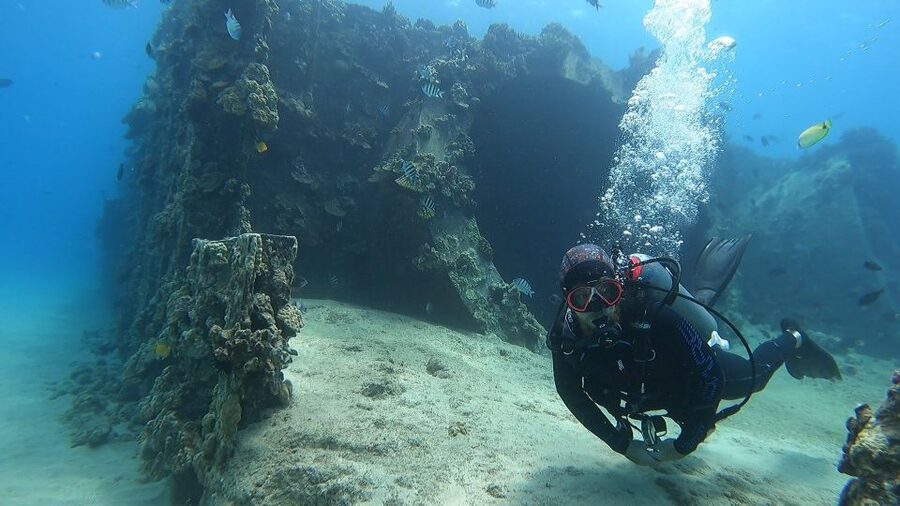
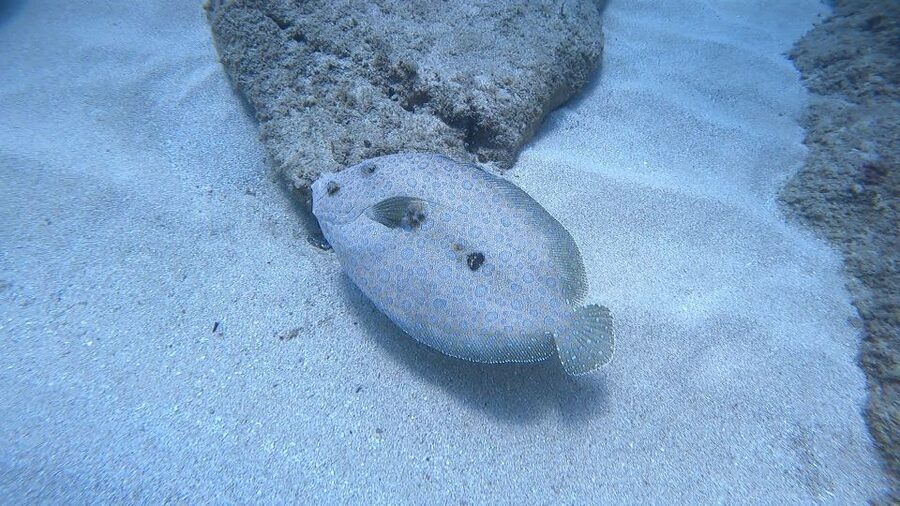
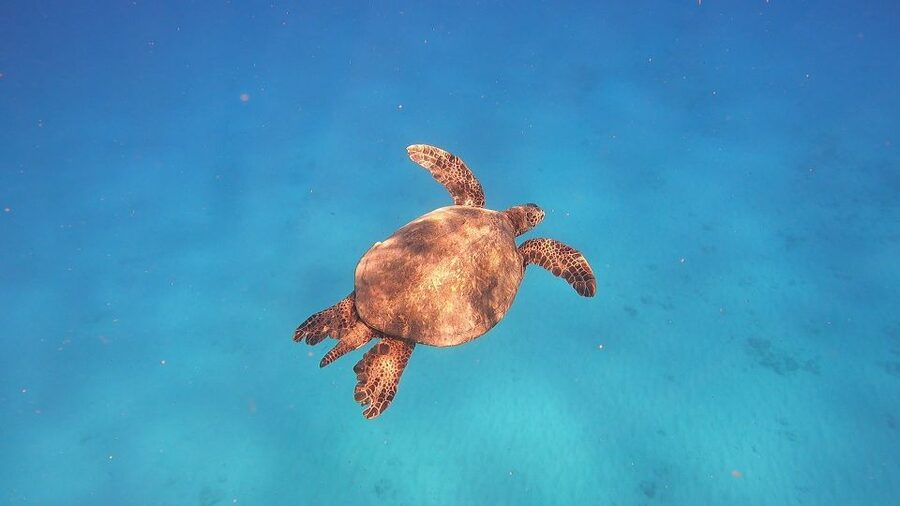
- Reef wildlife: Your instructor will point out reef fish and may help you spot sea turtles, monk seals, eagle rays, and other marine life.
- All essential gear included: Scuba equipment, instruction, the reef tour, and underwater photos are covered.
- About three hours total: Plan for roughly 45 minutes of safety instruction and one hour in the water, plus preparation and equipment handling.
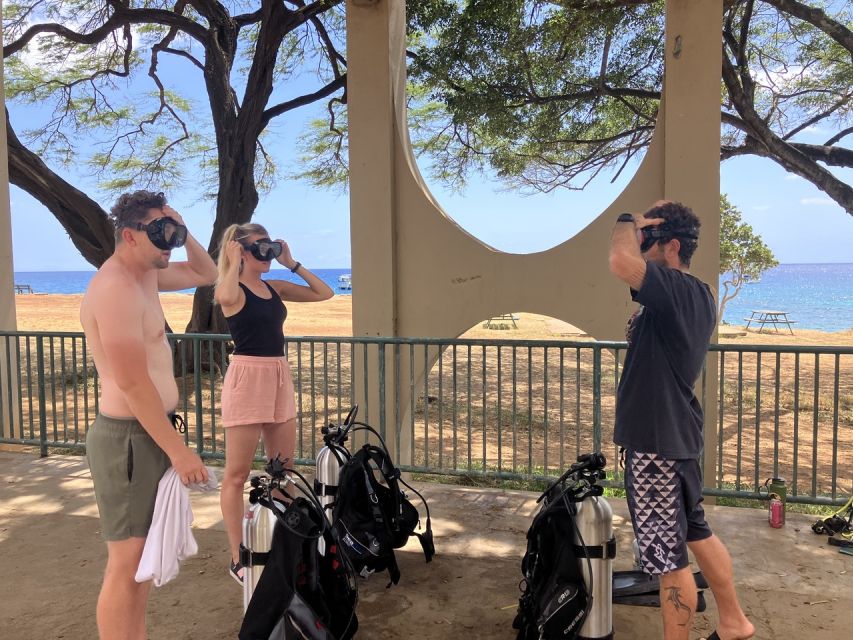
- Simple meeting point: Meet your guide beneath the pavilion at Kahe Point Beach Park, also known as Electric Beach.
Why Electric Beach works for a first scuba experience
Your first time below the surface can feel exciting and slightly odd. You must breathe through equipment, manage your movements, and pay attention to instructions while looking at fish and coral. That is why this experience works best as a gentle introduction rather than a rushed sightseeing stop.
You begin with a safety and site briefing at Kahe Point Beach Park. The instructor explains how the equipment works, what to expect at the site, and the basic skills needed before you go farther from shore. You do not need a scuba certification, which makes this a practical option for someone who wants to try the sport without committing to a full course.
The group size matters here. Six people is still enough for a social outing, but it is small enough that the instructor can watch each person closely. The most useful part is the one-on-one skills session in the water. You get direct help with the basics before setting off for the reef, rather than trying to learn everything while keeping up with a larger group.
I also like the clear focus of the trip. You are not spending the morning on a boat or moving between several sites. You meet at one beach, learn the essentials, spend about an hour in the water, and return to the same place. That makes the outing easier to fit into an Oahu schedule.
More dive trips in Oahu:
- First-Time Scuba Diving in Honolulu + Free Videos
★ 5.0 · 3,123 reviews - Beginner Scuba Diving Experience with Video Package in Honolulu
★ 5.0 · 877 reviews - Certified Diver: 2-Tank Deep Wreck and Shallow Reef Dive Off Oahu
★ 5.0 · 331 reviews
Getting to the pavilion at Kahe Point Beach Park
The meeting location is 92-301 Farrington Highway, at Kahe Point Beach Park. Find a space in the designated parking lot, then walk to the pavilion to meet your guide.
You need to arrange your own transportation. No hotel pickup is included, so check the route and allow enough time to park, gather your swimwear and towel, and reach the pavilion without rushing. The meeting point is straightforward, but the parking advice deserves attention: do not leave valuables visible in your car. Beach parks around Oahu can be affected by theft, so keep the vehicle tidy and take important items with you.
Bring swimwear, a towel, and biodegradable sunscreen. Water is not included, so bring your own drinking water as well. You cannot bring a camera, but the instructor takes underwater photos and provides a complimentary photo package. That is a useful trade for a first-time outing, since managing a personal camera can distract you from breathing, movement, and instructions.
The experience runs rain or shine. That means you should be ready for changing weather and avoid booking it only if you expect perfect skies. The activity is based in the ocean, so conditions can still affect how the session feels, but the stated plan is to operate in normal rain as well as sunshine.
The 45-minute safety briefing
The first formal part of the experience lasts about 45 minutes. Your instructor introduces the Electric Beach site and explains the safety rules, equipment, and skills you need before entering the reef area.
This section is not filler. For a first scuba outing, it is the part that helps turn a strange activity into a manageable one. You learn what to do with the equipment, how to respond to instructions, and how to prepare for your time underwater. Pay close attention here, even if you have watched scuba videos or used snorkeling gear before. Scuba requires different habits.
The instructor also talks about the marine life you may see and the character of Hawaii’s coral reefs. You will learn why the reef matters as a home for fish and other sea life, rather than simply treating it as scenery. That short introduction gives you more to look for once you are in the water.
The briefing also gives you a chance to judge your own comfort level. If you feel uncertain, speak up before entering the water. The small group and individual practice are useful precisely because the instructor can give direct attention to each participant.
The one-on-one skills session in the water
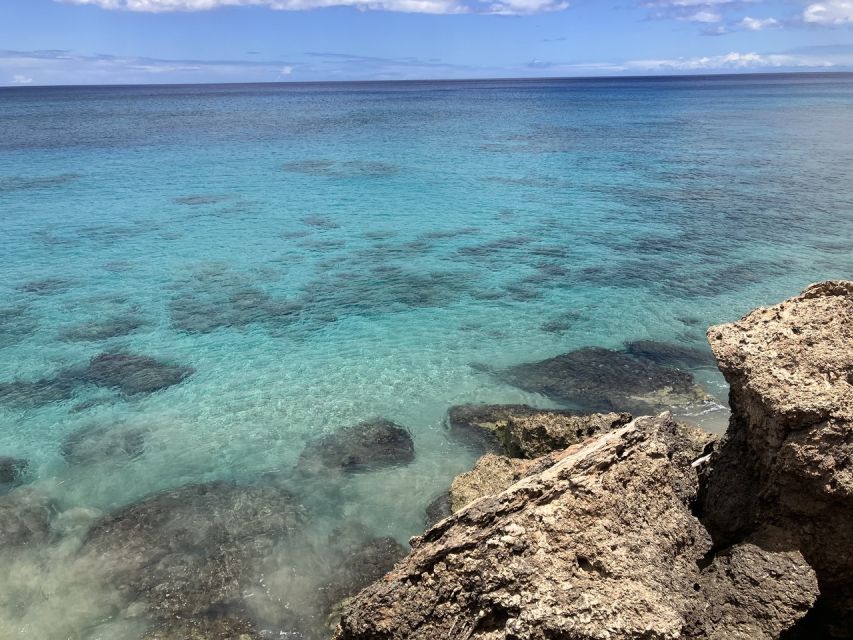
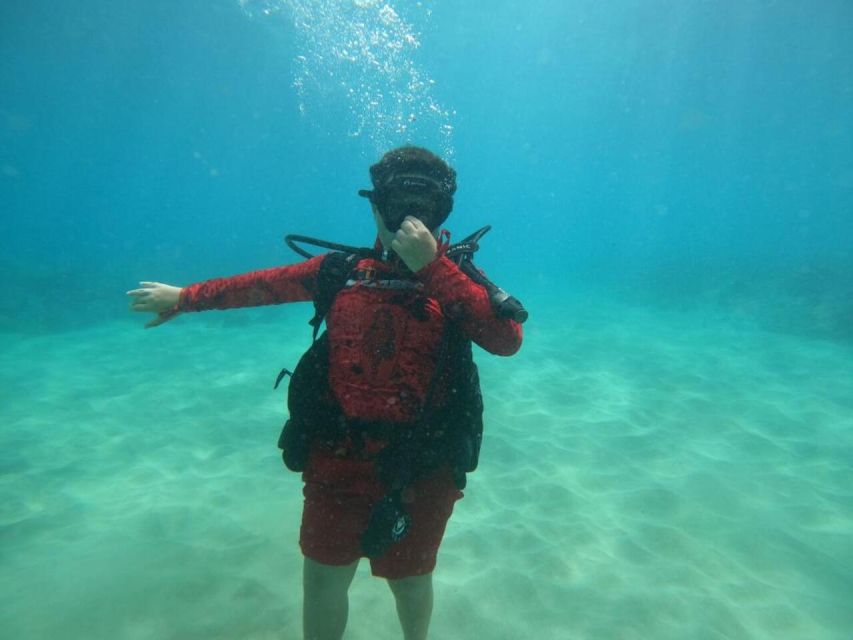
After the briefing, you enter the water and complete skills practice with the instructor. The session is conducted one person at a time, giving you a chance to focus without also trying to follow a full group.
This is where the experience becomes more than a basic reef swim. You learn to use scuba equipment in the actual ocean, with the instructor nearby. For many beginners, the first few minutes are the key moment. You are adjusting to breathing through the regulator, handling the equipment, and learning how to move calmly.
The pace is especially important. You are not expected to arrive already certified, and no previous scuba experience is required. Still, you need to be comfortable in the water and able to follow instructions. Non-swimmers should not book this activity.
You will also need enough strength and balance to handle the equipment. The tour information says you carry approximately 50 pounds a short distance from the beach to the water. That is a brief walk, but it is not a minor detail. If you have low fitness, back trouble, or heart problems, choose another way to see Oahu’s marine life.
More Ko Olina and west-side days:
- Pearl Harbor History Remembered Tour from Ko Olina
★ 5.0 · 1,009 reviews - Ko Olina Catamaran Sail and Snorkel with Lunch
★ 5.0 · 630 reviews - Oahu: Dolphin Swim and Turtle Snorkel Excursion in Waianae
★ 4.8 · 590 reviews - West Oahu Dolphin Watch and Snorkel Sail with Lunch
★ 4.5 · 320 reviews
About one hour along the reef
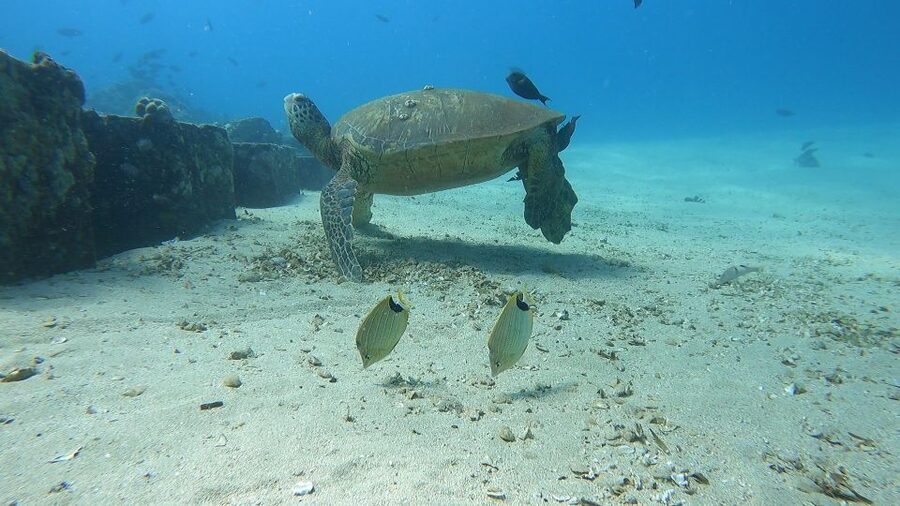
Once you complete the skills session, you join the guided reef tour. You descend below the surface with the instructor and look for the animals that make Electric Beach interesting.
Reef fish are part of the expected setting, while sea turtles, monk seals, and eagle rays are possible sightings. Wildlife is never guaranteed, so book this for the chance to see marine life, not for a promise of a particular animal. Your guide will point out what appears during your time in the water and help you notice smaller details you might miss on your own.
The tour lasts about one hour in the water. That gives you enough time to settle into the equipment and enjoy the reef, though beginners should remember that the total three-hour schedule includes much more than the underwater portion. You will spend time meeting the guide, learning the safety rules, practicing skills, and handling the equipment at the end.
The setting also gives you a closer look at Hawaii’s coral reef environment. You are not simply floating above the surface with a mask. You are using scuba equipment to remain below the surface and observe the reef from within it. That changes the experience, but it also means you must respect the instructor’s directions and avoid treating the coral as something to touch or stand on.
Underwater photos without carrying a camera
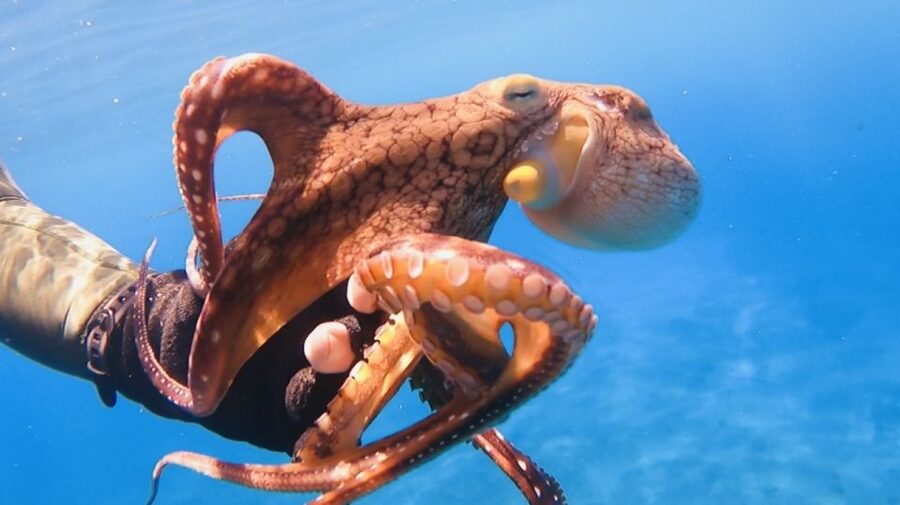
The included photo package is one of the strongest practical features. You cannot bring your own camera, but your guide takes photos during the session and helps capture the moment.
For a first-time scuba experience, that rule makes sense. A personal camera can become one more thing to hold, protect, and operate while you are learning basic skills. Letting the guide handle photography keeps your attention on the water and the reef.
Do not expect the photos to replace the experience itself. Wildlife sightings and image quality depend on the water and what appears during your session. Still, having photographs included gives you a simple way to remember the occasion without paying an extra fee or risking your own device.
At the end, your instructor helps you out of the equipment and returns with you to the original meeting point. That makes the finish easy: you do not need to find a second beach or arrange a different pickup.
What the $175 price covers
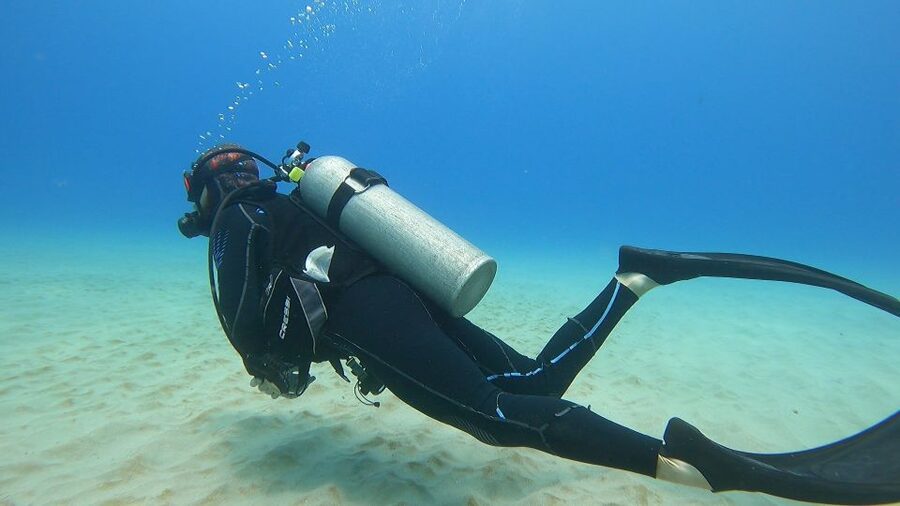
The cost is $175 per person. That is not a bargain beach activity, but it includes several items that can add up with other operators: a PADI scuba instructor, the safety briefing, individual water skills practice, all necessary scuba equipment, a guided reef tour, and the photo package.
For me, the value depends on what you want from the morning. If you only want to see fish from the surface, snorkeling will cost less and require less preparation. If you want to try scuba without completing a certification course, the price is easier to justify because instruction, gear, supervision, and photos are bundled together.
The small group also adds value. A limited group of six is more useful to a beginner than a large session where you spend much of the time waiting or trying to see the instructor. The one-on-one practice is the feature I would weigh most heavily when comparing prices.
You still need to bring water, a towel, and swimwear, and you must get to the beach yourself. Those are modest extra costs, but they matter when you are planning the day. The reservation can be made with payment later, and cancellation is free up to 24 hours before the activity for a full refund.
Who should book this experience
This trip suits an adult or teenager age 13 and older who can swim, follow directions, and manage a physically demanding entry into the water. It is a good match for someone curious about scuba but not ready to take a certification course.
It also works for a small family or group of friends if everyone meets the physical requirements. With no more than six participants, the outing feels more personal than a large group water activity.
You should think twice if you are uncomfortable in open water, have a low fitness level, or dislike carrying bulky equipment. The activity is not suitable for people with back or heart problems, wheelchair users, children under 13, non-swimmers, people over 80, or anyone unable to carry the gear a short distance.
The experience is conducted in English. If you need instruction in another language, this is not the right match based on the information provided.
Useful planning tips for your Oahu day
Plan this as a three-hour commitment, not a one-hour swim. The schedule includes about 45 minutes of safety instruction and roughly one hour in the water, with the rest used for arrival, preparation, equipment, and returning to the meeting point.
Wear the swimwear you plan to use under the gear, and bring a towel for afterward. Apply biodegradable sunscreen, and bring water since it is not supplied. You should also secure valuables before reaching the pavilion rather than deciding what to do with them after you arrive.
The activity operates rain or shine. Keep the rest of your day flexible enough that you are not racing to another appointment immediately afterward. The exact starting times vary, so check availability before booking.
The listed score is 4.8 out of 5 from five ratings, which suggests a very positive early response. That number is useful, but the practical details matter more: the experience earns its appeal through a small group, direct instruction, included equipment, and photos. Its limitations are equally clear, especially the fitness requirements and the need to arrange your own transportation.
Should you book the Electric Beach scuba experience?
Book it if you want a guided first taste of scuba in Hawaii and value close instruction, included equipment, and underwater photos. The one-on-one skills practice and six-person maximum are strong reasons to choose it over a cheaper, larger group session.
Skip it if you are a non-swimmer, have relevant health or mobility concerns, or mainly want a relaxed surface swim. At $175, this is best for someone who specifically wants to learn the basics of scuba and spend time below the surface, not simply look at the ocean from shore.
For the right participant, Electric Beach offers a focused introduction with a clear plan, useful instruction, and a memorable chance to see Oahu’s reef from a new angle.
FAQ
Do I need previous scuba experience?
No. You do not need previous scuba experience or a completed certification course. The instructor provides a safety briefing and a one-on-one skills session before the guided reef tour.
How long does the activity last?
The full experience lasts about three hours. The schedule includes a 45-minute safety briefing and approximately one hour of scuba time, along with preparation and equipment handling.
How many people are in the group?
The group is limited to six participants.
Where do I meet the instructor?
Meet beneath the pavilion at Kahe Point Beach Park, also known as Electric Beach. The listed starting address is 92-301 Farrington Highway.
Is transportation included?
No. You must arrange your own transportation to Kahe Point Beach Park and find parking in the designated lot.
What should I bring?
Bring swimwear, a towel, biodegradable sunscreen, and drinking water. Water is not included with the activity.
Can I bring my own camera?
No. Cameras are not allowed. A photo package is included, and the guide takes photos during the underwater portion.
Who should not take this activity?
The experience is not suitable for children under 13, non-swimmers, wheelchair users, people with back or heart problems, people with low fitness, or people over 80. You will also carry approximately 50 pounds of equipment a short distance from the beach to the water.
Newest Oahu write-ups
- Private Surf Lessons in Honolulu★ 5.0 · 76 reviews
- Private Round-Trip Transfer: Honolulu International Airport to Hotel or Cruise Terminal★ 4.0 · 34 reviews
- Private Pearl Harbor USS Arizona Memorial★ 4.5 · 3 reviews
- Private Pearl Harbor and Mini Circle Island Tour from Waikiki★ 5.0 · 8 reviews
- Passport to Pearl Harbor “Private”★ 5.0 · 4 reviews
- Pearl Harbor USS Arizona and USS Missouri “Private”★ 5.0 · 10 reviews
- Private Tour Oahu – up to 6 passengers – Customizable★ 5.0 · 3 reviews
- Private One-way Airport Transfer Honolulu Airport To Honolulu★ 4.0 · 24 reviews
Oahu Scuba Diving, compared.
First-Time Scuba Diving in Honolulu + Free Videos
Read our review →
Beginner Scuba Diving Experience with Video Package in Honolulu
Read our review →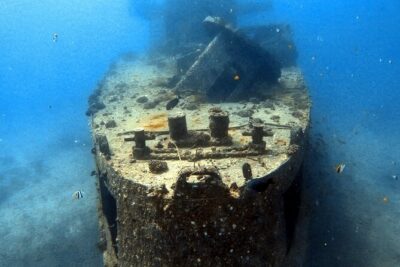
Certified Diver: 2-Tank Deep Wreck and Shallow Reef Dive Off Oahu
Read our review →
Incredibly Fun Coral Reef Giant Sea Turtles 4hour Boat Scuba Tour
Read our review →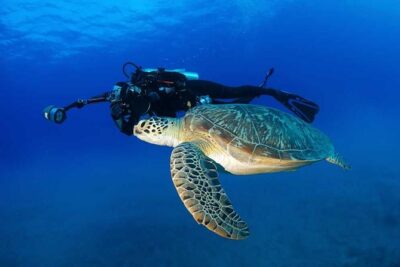
Certified Diver: 2-Tank Shallow Reef Dives off Oahu
Read our review →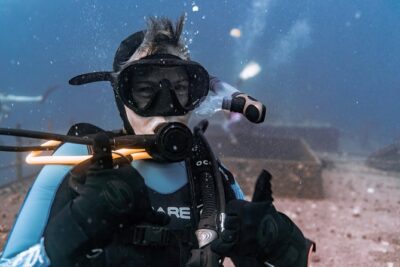
Waikiki 2 Tank World Class Wreck SCUBA Diving – Certified Only
Read our review →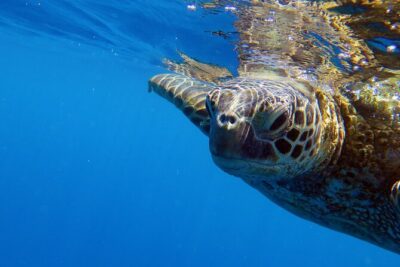
Browse the lists this tour appears in