
Reviewed · OAHU SCUBA DIVING
Oahu Night Dive: Adventure for Certified Divers
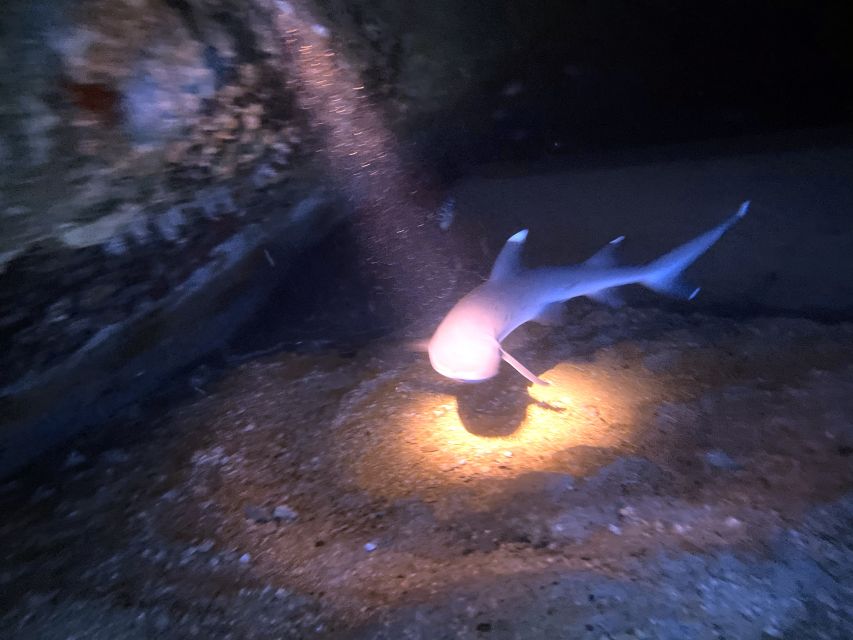
As daylight fades off Oahu’s south shore, the reef changes character. Fish settle in, nocturnal creatures appear, and your dive light picks out eels, rays, octopus, crabs, and other sea life that is easy to miss in daylight. The trip visits two famous sites in one evening, with a PADI-certified guide leading both underwater outings.
I like the practical gear package: two tanks, a wetsuit, weights, fins, BCD, and a light are included. I also like the boat itself, with a shaded deck, sun deck, open room to move around, and a restroom. The main consideration is simple: this is for certified divers in good health, not beginners, and a $248 price tag makes it a special-occasion outing rather than a casual add-on.
Key details before you book
- Two south shore sites after sunset: The first outing takes place at twilight, while the second takes you into full darkness.
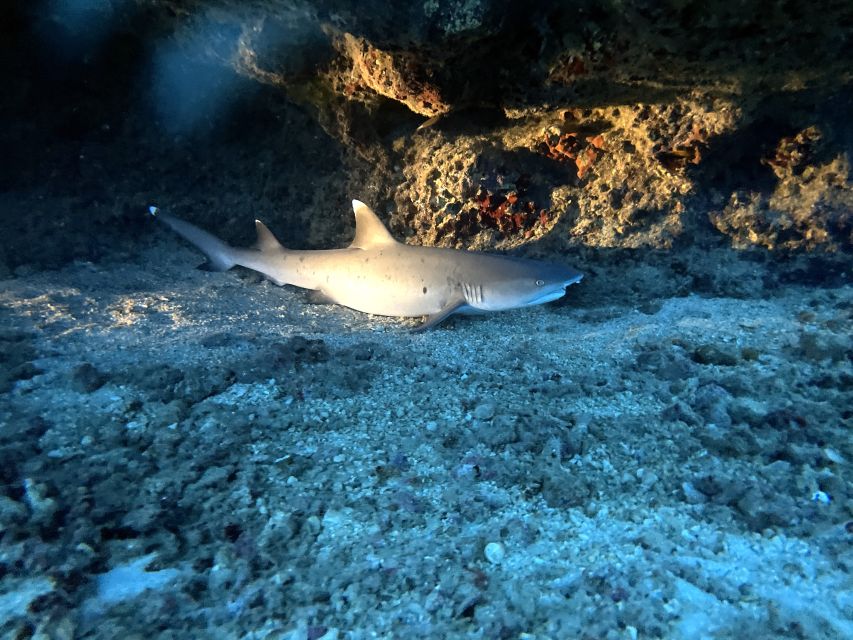
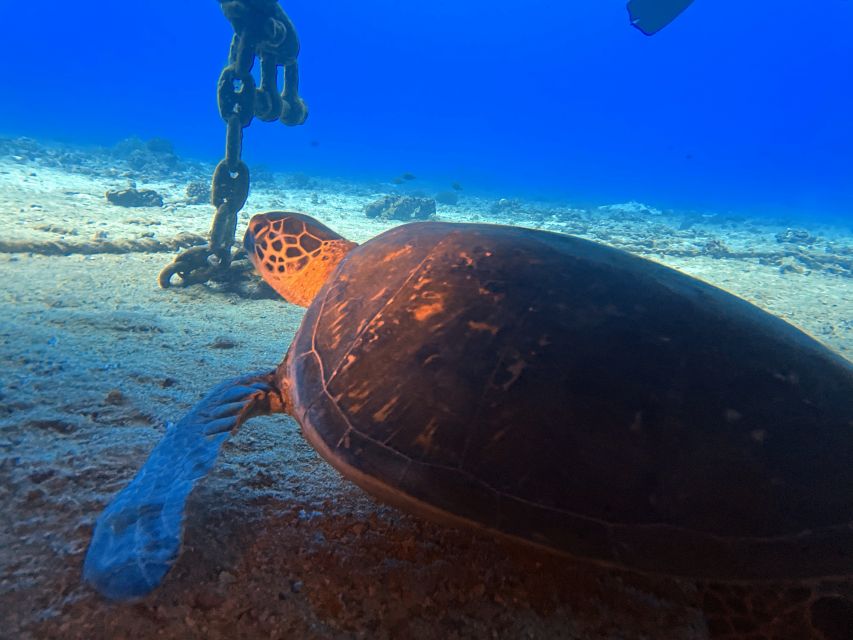
- Night creatures take the spotlight: Look for sharks, turtles, eels, rays, octopus, starfish, crabs, endemic Hawaiian fish, and possibly dolphins.
- Full rental setup is included: You receive two tanks, a dive light, wetsuit, weights, fins, and BCD.
- A real break between outings: You get about 30 minutes for snacks, refreshments, and sunset views from the boat.
- Certification is required: Bring proof of certification and arrive at least 30 minutes early.
- Plan around flight time: You must not fly within 24 hours after scuba activity.
Why Oahu after dark feels different
A daytime reef gives you broad views and bright colors. At night, your attention narrows to the beam of your light. A small patch of coral, a moving shape under a ledge, or a pair of reflective eyes can become the main event.
That change is the reason to choose this experience over a standard daytime outing. The first underwater session begins during twilight, when the reef is in transition. Some animals are settling down while nocturnal species begin to move. The second session takes place in darkness, giving you a sharper contrast between the two parts of the evening.
I like this two-stage format. You do not go straight from the dock into pitch-black water. The twilight session gives you time to adjust to the setting, check your equipment in the water, and get used to following a light beam. Later, the dark session feels more dramatic because you have already seen the site in changing light.
You should keep your expectations realistic. The animals listed for the outing include sharks, turtles, eels, rays, octopus, starfish, crabs, Hawaiian endemic fish, and dolphins, but no encounter is guaranteed. Wildlife is the reason to go, not a promise of a particular sighting.
More dive trips in Oahu:
- First-Time Scuba Diving in Honolulu + Free Videos
★ 5.0 · 3,123 reviews - Beginner Scuba Diving Experience with Video Package in Honolulu
★ 5.0 · 877 reviews - Certified Diver: 2-Tank Deep Wreck and Shallow Reef Dive Off Oahu
★ 5.0 · 331 reviews
Meeting the boat at Kewalo Basin
The meeting point is at the harbor, front row, slip 8. Look for the large picture of a turtle. This detail matters because harbors can be confusing when you are watching the clock, carrying swim gear, and trying to find the correct boat.
Arrive at least 30 minutes before the scheduled start. That early arrival is part of the experience, not wasted time. You need to check in, show your certification, and get ready without rushing through the safety process.
Parking is not included. Kewalo Basin has parking for $1 per hour, while Ala Moana Beach Park offers free parking. The free option may help keep the evening cost down, but you should allow time to get from the parking area to slip 8. The activity lasts about three hours, so the paid harbor option may be the simpler choice if convenience matters more than saving a few dollars.
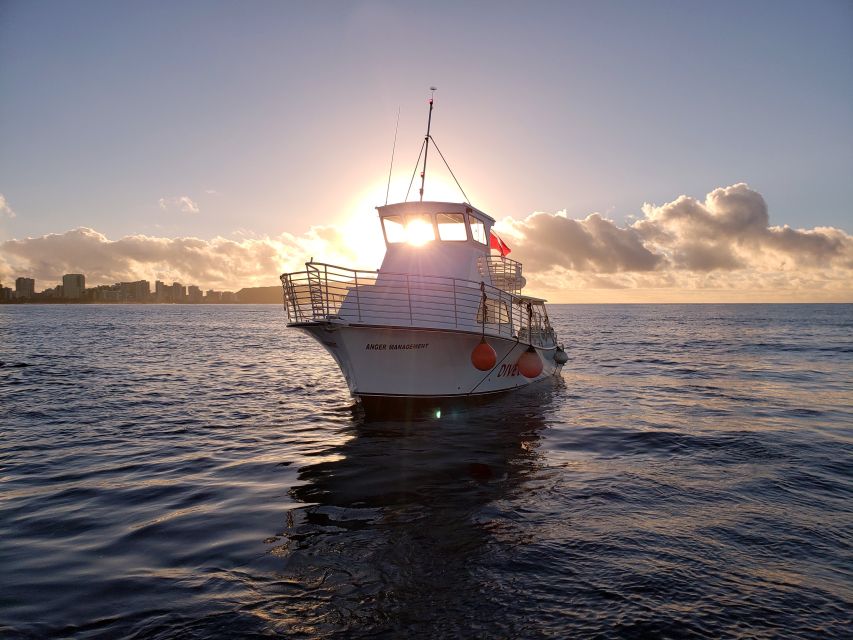
The boat has both shaded and sunny areas, plenty of room to move around, and a restroom. That combination is useful during an evening on the water. You can sit in shade before the first session, find sun after getting out, and avoid being stuck in one cramped spot during the surface break.
The 25-minute briefing sets the tone
The formal safety briefing lasts about 25 minutes in Honolulu. Since you must already be certified, this is not a beginner scuba lesson. Instead, it is your chance to review the plan, understand the two-site schedule, and confirm that your equipment and certification details are in order.
Bring proof of certification. This is not optional paperwork that can be sorted out later. You must be able to present it at the boat.
The briefing also matters more at night than it might during daylight. You will use a light, follow a guide, and enter water where visibility depends on your lamp and the people around you. Pay close attention to the signals and procedures given before you leave the boat.
You must be able to swim and be in good health. The outing is not suitable for children under 15, pregnant women, or people with pre-existing medical conditions. Those restrictions are worth checking before you pay, especially if someone in your group has a medical concern.
First underwater session: twilight on the south shore
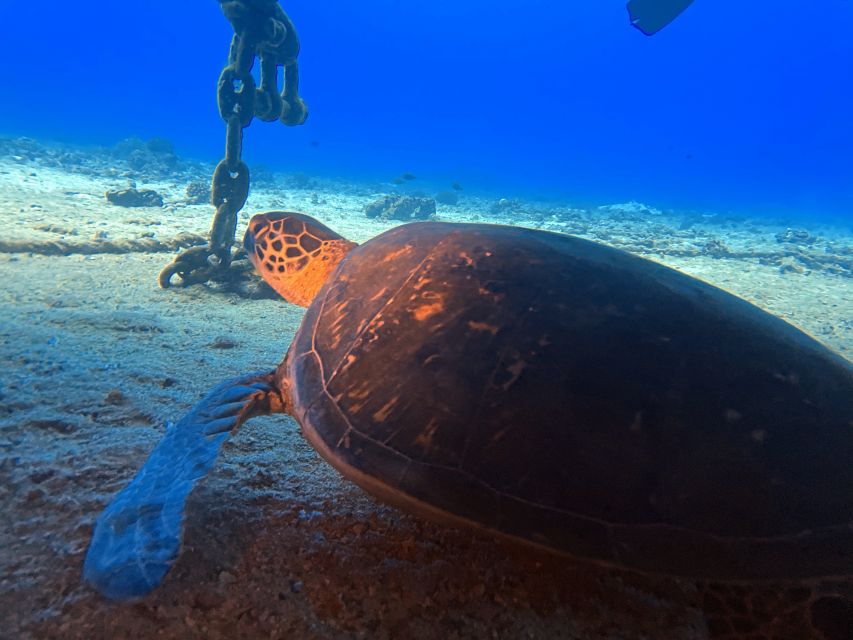
The first guided session lasts about one hour and takes place at twilight at one of Hawaii’s well-known underwater sites. This is the gentler introduction to the night program, since the last daylight still gives the reef some definition.
Twilight is valuable because you can watch the underwater world change during the session. Fish that were active earlier may move toward shelter, while other animals begin to appear. You may see turtles, reef fish, eels, rays, sharks, or other marine life, but the exact mix will depend on conditions and chance.
The guide leads the group, so you can spend less time wondering where to go and more time watching the reef. The included light helps you inspect cracks, sandy areas, and darker corners that would otherwise disappear as daylight fades.
I would treat this first session as a chance to get comfortable with the rhythm of nighttime scuba. Check that your light is easy to use. Notice how the beam affects what you see. Stay focused on the guide and your group, since darkness changes your sense of distance and direction.
The one-hour length is long enough to feel substantial, but it also means you should manage your energy. Night conditions can demand more concentration than a bright daytime outing. Keep your movements controlled and save your attention for the animals and the guide’s signals.
More evening and after-dark outings in Oahu:
- Oahu’s Waikiki Coast: Moana’s Sunset Cocktail Sail
★ 5.0 · 2,205 reviews - Honolulu: Three Star Deluxe Sunset Dinner Cruise and Show
★ 4.5 · 1,204 reviews - Sunset Dinner Cruise in Honolulu, Hawaii
★ 4.0 · 1,023 reviews - Waikiki Signature Sunset Catamaran Sail
★ 4.5 · 890 reviews
The sunset surface interval
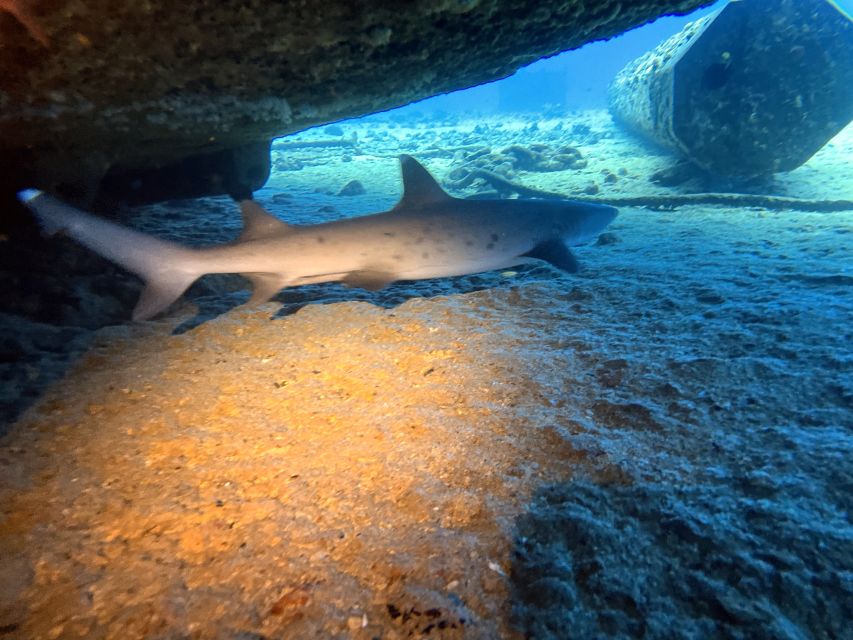
After the first session, you return to the boat for about 30 minutes. Snacks and refreshments are included, giving you time to warm up, relax, and prepare for the second outing.
This pause is more useful than it may sound. You have time to check your gear, talk through what you saw, and let the sky darken fully. The sunset setting is part of the appeal, but the break also gives you a mental reset before entering the water again.
Use the interval to drink something and make sure you are ready for the next hour. You will not want to discover that your towel, swimwear, or personal items are hard to reach once the group is preparing to enter the water.
The boat’s shaded deck and sun deck give you choices during this pause. If you are chilly after the first session, a dry layer and towel will help. If the evening is warm, the open deck gives you a place to enjoy the view without crowding the people getting ready.
Second underwater session: the reef in full darkness
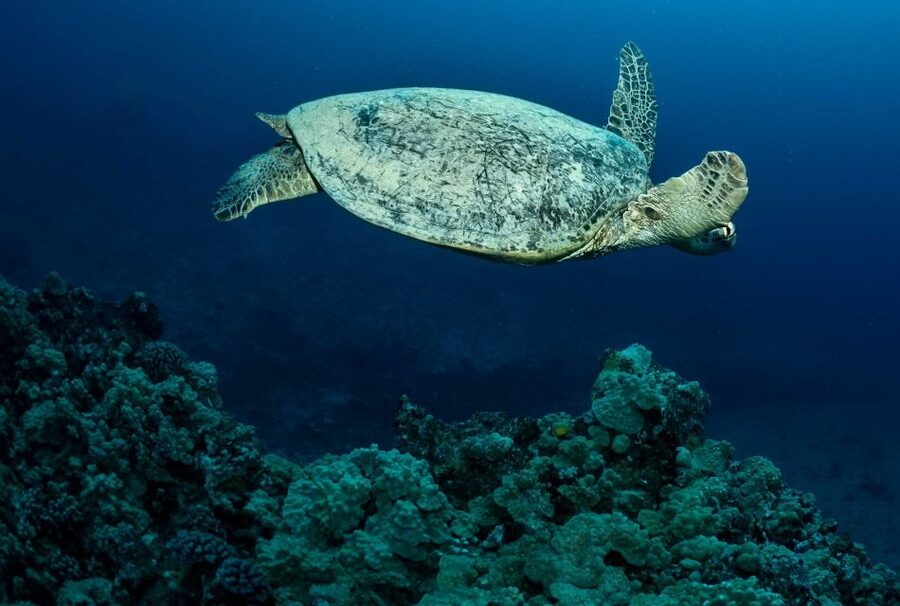
The second guided session also lasts about one hour, now in complete darkness. This is the most distinctive part of the experience. Your supplied light becomes your main viewfinder, revealing only what falls within its beam.
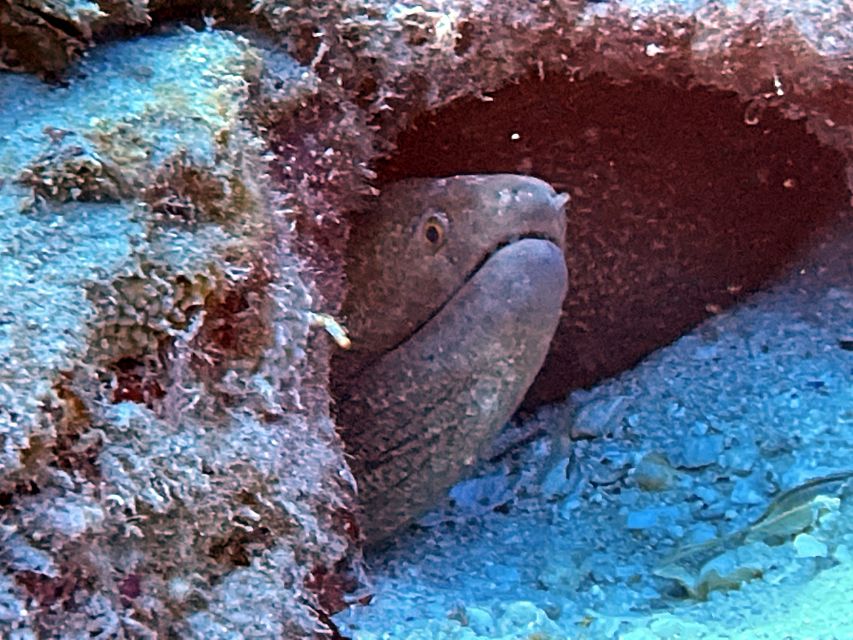
The animals can feel different at this point. Nocturnal creatures may be more active, and familiar reef features can look unfamiliar when the surrounding water disappears. Eels, rays, octopus, crabs, starfish, and other small creatures may be easier to notice because your attention is concentrated on the illuminated area.
You may also encounter larger marine life such as sharks, turtles, or dolphins. These possibilities add excitement, but you should book with the understanding that nature controls the schedule. A good night is not measured only by a particular animal appearing.
The guide’s role is especially important here. A PADI-certified instructor leads the underwater route and helps you focus on the reef rather than the logistics of moving through darkness. You still need to manage your own buoyancy, equipment, and certification-level skills. The guide is not a substitute for being comfortable in the water.
The second session may appeal most to certified divers who already enjoy unusual conditions. If you prefer easy visibility, a broad view of the reef, and a relaxed daytime pace, this could feel demanding. If the idea of seeing the ocean through a narrow cone of light sounds exciting, it is the reason to book.
What the $248 price includes
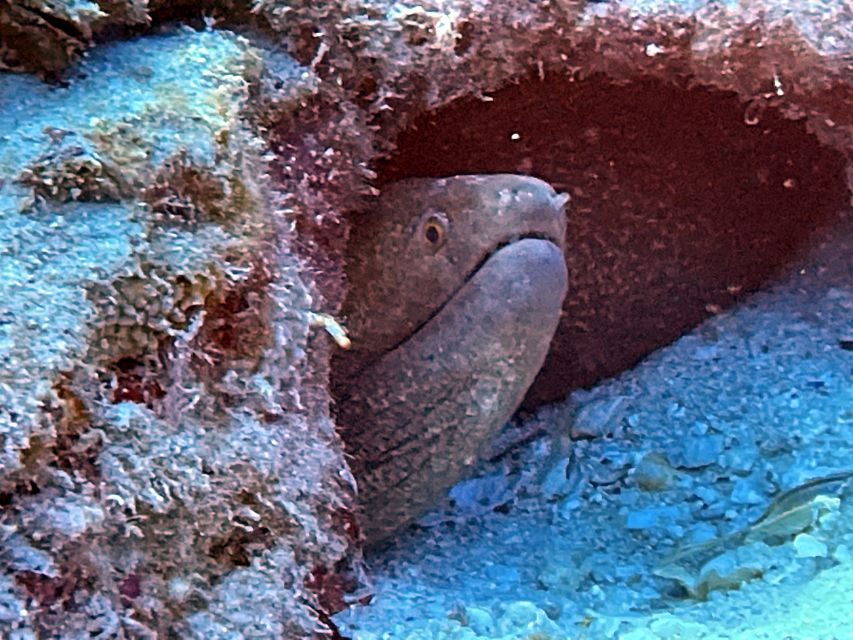
At $248 per person, this is not a budget activity. The value comes from combining two guided underwater sessions, boat time, specialty equipment, and refreshments in a three-hour evening.
The included equipment is extensive:
- Two tanks
- Dive light
- Wetsuit
- Weights
- Fins
- BCD
That package matters if you are visiting Oahu without your own equipment. You do not need to arrange separate rental for the main scuba setup, and the light is especially important because it is essential for the second session.
You still need to bring swimwear and a towel. The price also does not include parking. Add that small cost at Kewalo Basin, or use free parking at Ala Moana Beach Park if you are willing to allow extra time.
For a certified diver who wants a nighttime outing without organizing tanks, boat space, equipment, and a guide separately, the price can make sense. For someone who already owns all the gear and wants a short, simple swim, it may feel high. I would compare it with the cost and effort of arranging two guided nighttime sessions on your own, not with the price of a basic beach activity.
The experience is offered in English. A confirmation email comes from the local partner after booking, so check your inbox and keep the details available before heading to the harbor.
Who will get the most from this evening
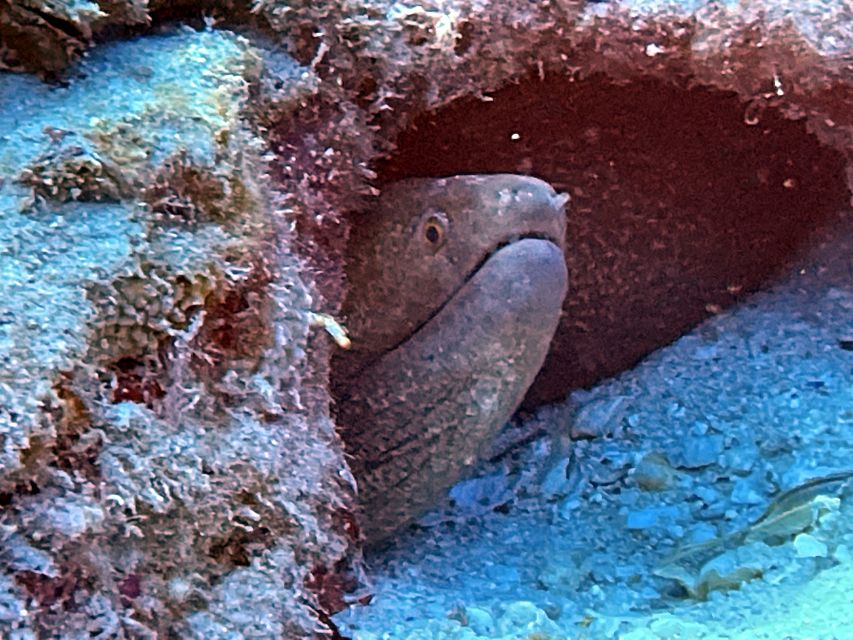
This outing suits certified divers who are comfortable in the water and curious about how a reef changes after sunset. It is also a good match for someone who wants a compact activity that fits into one evening rather than a full-day ocean program.
You will probably appreciate it most if you:
- Already hold a recognized scuba certification
- Can present proof of certification at the boat
- Are able to swim and are in good health
- Enjoy close observation rather than guaranteed wildlife encounters
- Like the idea of seeing the same type of reef in twilight and darkness
- Want rental gear included
I would think twice if you have not scuba-dived recently, feel uneasy in low visibility, or mainly want a guaranteed shark or dolphin sighting. The program has several possible animal encounters, but wildlife remains unpredictable.
The age limit also narrows the audience. Children under 15 cannot take part, and the activity is not suitable for pregnant women or people with pre-existing medical conditions.
Timing your Honolulu plans around scuba safety
The biggest scheduling rule is the flight restriction. You must not fly within 24 hours after scuba activity. That means this should not be your final evening before a morning flight home.
Build the experience into the middle of your stay, or leave at least 24 hours before flying. This rule can affect more than just your departure day. If you have an inter-island flight or another air journey planned, check the timing before booking.
The three-hour length is easy to fit into an evening, but remember that the listed schedule includes the 25-minute safety briefing, one hour underwater, a 30-minute break, and another hour underwater. The start time changes by availability, so confirm the exact time when you reserve.
Free cancellation is available up to 24 hours before the activity for a full refund. You can also reserve now and pay later, which helps if your Oahu plans are still shifting. Those policies do not remove the need to check the weather, your health, and your flight schedule before committing.
My take on the limited feedback
The overall rating is 3.6 from six reviews, so the feedback pool is small and should not be treated as a firm prediction of your evening. One verified booking from the United States, dated November 7, 2024, gave the experience five out of five and described it as amazing.
That positive comment is brief, but it fits the strongest parts of the program: two nighttime sites, unusual sea life, full equipment, and a boat arranged for a comfortable surface interval. The limited number of ratings also means you should weigh the practical details more heavily than the score.
I would focus on the exact fit. If you are certified, healthy, comfortable swimming, and excited by the contrast between twilight and total darkness, the format is appealing. If you need beginner instruction or prefer a low-cost activity with no certification requirements, this is not the right choice.
Should you book this Oahu night scuba outing?
Book it if you want a focused nighttime marine experience and already have the certification and skills to take part. The strongest value is the combination of two guided one-hour sessions and a complete rental package, with snacks and a sunset break in between.
Skip it if $248 feels too steep for a three-hour activity, if you are not certified, or if your schedule requires flying within 24 hours afterward. Also keep in mind that sharks, turtles, dolphins, and other animals are possibilities, not guaranteed appearances.
For the right diver, this is a memorable way to see Oahu’s south shore after the usual daylight tours have ended. Go for the changing reef, the focused beam of the light, and the rare feeling of being underwater at night, not for a promised wildlife checklist.
FAQ
Where does the Oahu night scuba activity meet?
Meet at the harbor in the front row at slip 8. Look for the large picture of a turtle.
How early should I arrive?
Arrive at least 30 minutes before the scheduled start time.
How long does the activity last?
The full experience lasts three hours.
How many underwater sessions are included?
Two guided underwater sessions are included. Each lasts about one hour.
Is the first session during daylight?
The first session takes place at twilight, as daylight fades and nocturnal sea life begins to appear.
Is a safety briefing included?
Yes. The Honolulu safety briefing lasts about 25 minutes.
What equipment is provided?
The rental package includes two tanks, a dive light, wetsuit, weights, fins, and BCD.
Do I need scuba certification?
Yes. You must be a certified diver and present proof of certification at the boat.
Is parking included?
No. Parking is not included. Kewalo Basin parking costs $1 per hour, and Ala Moana Beach Park has free parking.
Can I fly after the activity?
You must not fly within 24 hours after scuba activity.
What should I bring?
Bring swimwear, a towel, and proof of your diving certification.
Who cannot take part?
The activity is not suitable for children under 15, pregnant women, or people with pre-existing medical conditions. You must also be able to swim and be in good health.
Newest Oahu write-ups
- Private Surf Lessons in Honolulu★ 5.0 · 76 reviews
- Private Round-Trip Transfer: Honolulu International Airport to Hotel or Cruise Terminal★ 4.0 · 34 reviews
- Private Pearl Harbor USS Arizona Memorial★ 4.5 · 3 reviews
- Private Pearl Harbor and Mini Circle Island Tour from Waikiki★ 5.0 · 8 reviews
- Passport to Pearl Harbor “Private”★ 5.0 · 4 reviews
- Pearl Harbor USS Arizona and USS Missouri “Private”★ 5.0 · 10 reviews
- Private Tour Oahu – up to 6 passengers – Customizable★ 5.0 · 3 reviews
- Private One-way Airport Transfer Honolulu Airport To Honolulu★ 4.0 · 24 reviews
Oahu Scuba Diving, compared.
First-Time Scuba Diving in Honolulu + Free Videos
Read our review →
Beginner Scuba Diving Experience with Video Package in Honolulu
Read our review →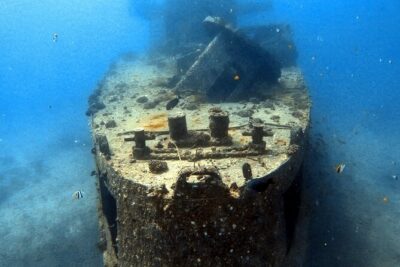
Certified Diver: 2-Tank Deep Wreck and Shallow Reef Dive Off Oahu
Read our review →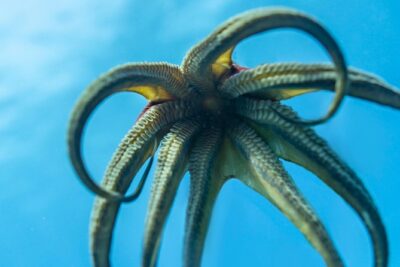
Incredibly Fun Coral Reef Giant Sea Turtles 4hour Boat Scuba Tour
Read our review →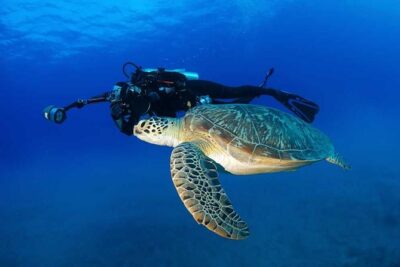
Certified Diver: 2-Tank Shallow Reef Dives off Oahu
Read our review →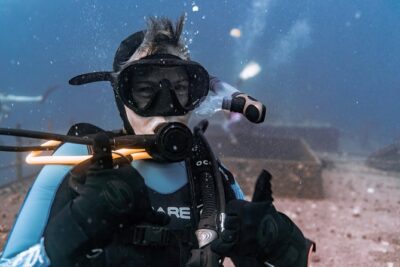
Waikiki 2 Tank World Class Wreck SCUBA Diving – Certified Only
Read our review →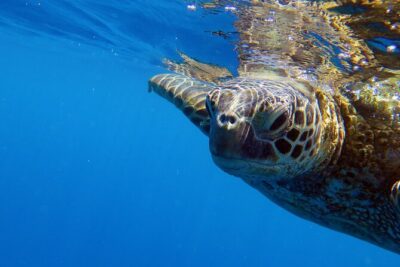
Browse the lists this tour appears in