

Reviewed · POLYNESIAN CULTURAL CENTER TICKETS
Polynesian Cultural Center: Islands of Polynesia Admission Ticket
The Polynesian Cultural Center gives you something Oahu’s beaches cannot: a full day built around the cultures of the Pacific. You can watch village performances, learn a few ukulele chords, try spear throwing, take a canoe ride, and see how food and crafts connect to daily life. The hands-on activities make this more than a row of museum displays.
I especially like the mix of learning and play, and the fact that the center’s student staff share the material with real energy. I also like the ticket’s three-day validity, which takes pressure off a long day. The main drawback is that the $103.50 admission covers the villages but not dinner or the popular Ha: Breath of Life evening show.
Key points to know before you go

- Seven cultures in one North Shore visit: Explore representations of Hawaii, Tahiti, Tonga, Samoa, New Zealand, the Marquesas, and Fiji.
- Hands-on activities for families: Try ukulele lessons, spear throwing, fishing, coconut cooking, canoe rides, and traditional crafts.
- Your ticket lasts three days: The village admission is not limited to one visit after your first entry.
- Budget for extras: Dinner, the Ali’i Luau package, Ha: Breath of Life, and some transport options cost more.
- Plan around the heat: Shade is limited in some open areas, so covered performance spaces and indoor activities matter.
- Arrive prepared for a long day: The center is about an hour from Waikiki, and its size makes comfortable shoes useful.
Why this North Shore attraction takes most of a day
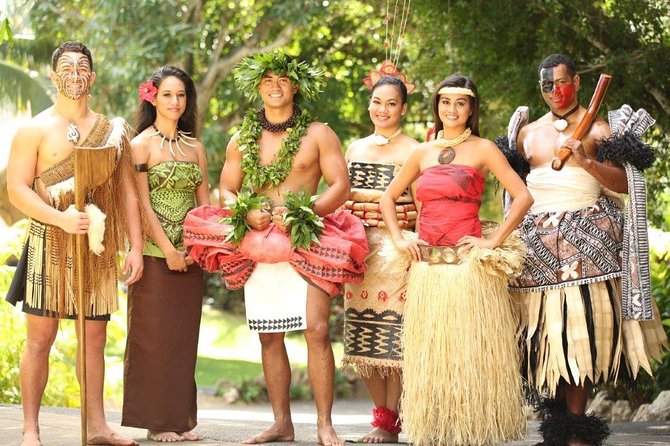
The Polynesian Cultural Center sits on Oahu’s North Shore, roughly an hour from Waikiki. That distance matters. You are not popping in for a quick two-hour stop between beach time and dinner. The attraction is laid out for extended exploring, with village areas, performances, canoe routes, food stops, and evening entertainment.
The standard experience lasts about six hours, but that estimate can stretch if you watch several presentations or add dinner and the evening show. The admission also gives you a three-day pass after your first visit. If you are staying nearby, or you want to return for activities you missed, this is a useful feature. If you are coming from Waikiki, a single full day will likely be the practical choice.
The center has operated since 1963 and functions as a nonprofit. Its revenue supports operations and the education of student employees from nearby Brigham Young University-Hawaii. That gives the attraction a clear educational purpose, though you should still think of it as a polished cultural attraction rather than a quiet historical site.
More Polynesian Cultural Center tickets:
- Pearl Harbor, Dole Plantation, and Polynesian Center from Waikiki
★ 5.0 · 787 reviews - Pearl Harbor, Dole Plantation, and Polynesian Center from Kauai
★ 5.0 · 211 reviews - Polynesian Cultural Center: Gateway Buffet Package
★ 4.5 · 105 reviews
Six village areas, seven Polynesian cultures
The main reason to come is the village program. The center presents Hawaii, Tahiti, Tonga, Samoa, New Zealand, the Marquesas, and Fiji through separate cultural areas and scheduled activities. The supplied details describe six Polynesian Island Villages, while seven cultures are represented, so expect a collection of village settings rather than seven completely separate full-size destinations.
Each area uses demonstrations, music, dance, crafts, food, and audience participation to introduce its culture. You can watch a presentation, then move on to another area for a different activity. This format keeps the day moving and works well for families, since you are not asking children to sit through a long lecture.
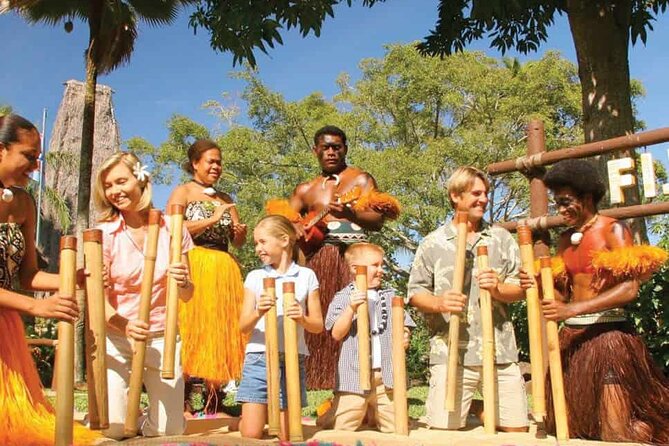
The activities have a welcome sense of variety. You might learn basic ukulele skills, try throwing a spear, take part in fishing, or watch a cooking demonstration. Samoan food preparation is one of the more memorable hands-on options, especially if you enjoy learning how everyday ingredients connect to local life.
The performances also help explain the customs being presented. You may see hula, music, dance, craft work, coconut demonstrations, or other village activities. The staff are described as friendly and helpful, and the student performers often bring humor to the presentations. That matters because the quality of this type of attraction depends heavily on the people leading each activity.
Huki canoe pageant and lagoon rides
Canoes are part of the center’s appeal, both as transportation and as a cultural theme. Huki: The Canoe Pageant is included among the venue’s activities, along with canoe tours through the village areas.
A canoe ride gives you a change of pace after walking between demonstrations. It also helps you see the setting from the water instead of treating the center as a series of stages. For young children, this can be one of the easiest ways to keep the day interesting.
Schedules matter. The center’s activities and performances are spread across the day, so you should check what is running when you arrive and plan around the presentations you most want to see. Arriving early is sensible because entry lines can be long, and a late start can leave you chasing the schedule.
Activities children can actually join

This attraction is well suited to families because children can do things rather than simply watch. Little ones can take a canoe ride or receive a temporary tattoo, while older children may prefer spear throwing, fishing, or learning a simple musical skill.
That range helps groups with mixed ages. A teenager who expects a dull educational stop may find the demonstrations more entertaining than expected, while younger children can focus on movement and participation. Adults get the cultural context behind the activity instead of being left to supervise from the sidelines.
Still, you should be realistic about the format. The center presents many cultures in a single day, so each presentation offers an introduction rather than a complete account of a people’s past and present. If you have already spent a great deal of time visiting Polynesian islands, some activities may feel familiar. For a first introduction, however, the variety makes the admission easier to justify.
A few more Oahu trips worth putting side by side
- Waikiki Luau Buffet with Optional Rock-A-Hula Show Ticket
★ 4.5 · 1,572 reviews - Rock-A-Hula Ticket
★ 4.5 · 448 reviews - Bishop Museum General Admission Ticket
★ 4.5 · 243 reviews - Diamond Head Hike Shuttle with Reservation Tickets Included
★ 5.0 · 223 reviews
Food choices, from village snacks to dinner packages

Food is one of the areas where expectations matter most. The standard ticket does not include dinner. You will find places to eat during the day, and the center presents Polynesian favorites such as kalua pork, poi, taro dishes, fresh coconuts, and island-style desserts alongside more international choices.
That mix can be useful for a family with different tastes, but it may disappoint you if you expect every food outlet to serve traditional Polynesian dishes. Tacos and fish and chips are available, so you may need to seek out the local specialties rather than assume every meal is part of the cultural presentation.
The Ali’i Luau dinner package is an optional upgrade. It pairs a dinner with entertainment and can make the day feel like a complete evening outing. Some people find the luau show similar to portions of the daytime program, while others prefer its dinner-theater format.
Buffet quality is not completely consistent in the feedback provided. Some diners describe the food as excellent and plentiful, while others found the buffet mediocre. A more upscale dining option is also available in some packages, and one account specifically praises the prime dining room. If food is a major reason for your visit, compare the dinner choices before booking rather than assuming the basic meal will match the show.
Ha: Breath of Life is the major evening add-on

Ha: Breath of Life is not part of the basic Islands of Polynesia admission. You need an upgraded ticket or a package that includes the evening performance.
The show uses more than 100 performers, traditional music and dance, ancient folklore, knife dancers, and fire walkers. It is designed as a large theatrical production, not a small village demonstration. That difference is important. The daytime activities teach through short presentations and participation, while Ha: Breath of Life gives you a sustained evening performance with a larger cast and stronger stage effects.
If you add only one major extra, this is the one I would consider first. The show is repeatedly described as a highlight, and it offers something different from the village program. A full day followed by the evening performance can make for a long outing, but the three-day pass gives you some flexibility if you can return.
Photography and recording rules apply during the night show. You should expect restrictions and follow staff instructions, particularly during the performance itself.
Is the $103.50 admission good value?
At $103.50 per person, the ticket is not a casual stop. The value depends on how much of the center you use.
The price works best if you plan to spend most of the day exploring the villages, watching several presentations, and joining hands-on activities. The included three-day pass improves the deal, especially if you are staying on the North Shore or have enough time to return. You are paying for a full program, not just entry to a landscaped park.
The value is weaker if you arrive late, see only one performance, and leave after a few hours. One past experience with an afternoon arrival found that much of the center had already closed, leaving little time for the full program. Check the operating schedule carefully, particularly since the provided schedule lists Monday hours from noon to 5:30 p.m. for the period beginning August 17, 2025. Hours and activities can change, so confirm the date-specific schedule before setting out.
The ticket also becomes less attractive if you assumed dinner and Ha: Breath of Life were included. They are not included in this basic admission. Add the cost of food, transportation, and any show upgrade when comparing packages.
Getting there from Waikiki

The center is about an hour from Waikiki. You can drive, use public transportation, or select a package with round-trip hotel transportation.
Driving gives you control over arrival and departure, which is useful if you want to stay for the evening show. Public transportation can reduce the cost, though you will need to allow time for the journey. One practical account specifically points to Bus 55 as a cheaper way to reach the center independently.
Hotel pickup is available only with select packages. Confirm the pickup location and time before the day of your visit. Past booking confusion came from unclear transport details, so do not assume that a hotel name automatically means a pickup is arranged.
The center is near public transportation, and service animals are allowed. Most people can participate, but the grounds require walking. If you have trouble walking, reserve an electric cart before arrival. That small step may make a major difference on a hot, busy day.
Heat, rain, shade, and the pace of the day
Oahu weather can change quickly, and the center includes outdoor walking between presentations. Some areas have limited shade, although covered performance spaces, indoor village experiences, and shaded seating are available.
Heat and humidity can make the open sections tiring. Bring water, use the covered areas during breaks, and avoid filling every minute with scheduled activities. Rain does not necessarily ruin the day, since many presentations take place under cover, but you should be ready for wet weather. A rain poncho is more practical than assuming every area will stay dry.
Wear comfortable shoes. The center is spread out, and a six-hour visit with performances and village activities adds up. If you are bringing children, give them occasional breaks instead of treating the schedule like a race.
Who will enjoy this experience most
I would recommend the center to first-time visitors who want a broad introduction to Polynesian cultures without traveling to several islands. Families are a natural fit because the program combines shows, crafts, games, food, and movement.
It also works for couples and older children who enjoy live performance. The evening show can turn the visit into a full cultural night out, especially if you choose a dinner package.
I would be more cautious if your schedule is tight, your main goal is a traditional luau meal, or you have already visited several Polynesian cultural attractions. In those cases, compare the standard ticket with an evening package and decide if the village activities justify the extra travel time.
Should you book the Polynesian Cultural Center?
Book it if you want a full, organized day of cultural presentations with plenty for children to do. The village activities, canoe experiences, student staff, and three-day pass give the admission real substance. Add Ha: Breath of Life if you want the strongest evening performance, and choose dinner separately after checking exactly what each package includes.
Skip the basic ticket if you only have a few hours, expect dinner to be included, or plan to arrive late in the afternoon. For the best value, arrive early, map out the village presentations, plan for heat and rain, and treat the $103.50 admission as the starting cost rather than the final bill.
FAQ
Where is the Polynesian Cultural Center located?
It is on Oahu’s North Shore, about an hour from Waikiki.
How long does the experience last?
The visit is listed as approximately six hours, though dinner and the evening show can make the day longer.
Which cultures are represented?
The center represents Hawaii, Tahiti, Tonga, Samoa, New Zealand, the Marquesas, and Fiji.
Does the admission ticket include dinner?
No. Dinner is not included with the basic Islands of Polynesia admission.
Is Ha: Breath of Life included?
No. Ha: Breath of Life requires an upgrade or a separate package.
Does the ticket allow more than one visit?
Yes. The Islands of Polynesia village admission provides a three-day pass after your initial visit.
Are hotel transfers available?
Round-trip hotel transportation is available as an add-on with select packages.
Can children participate in the activities?
Yes. Activities include canoe rides, temporary tattoos, spear throwing, fishing, ukulele lessons, and cooking demonstrations.
Is public transportation available?
The center is near public transportation, and Bus 55 has been used as an independent way to reach it.
Can visitors with mobility concerns get assistance?
Most people can participate, and service animals are allowed. If walking is difficult, reserve an electric cart before your visit.
Newest Oahu write-ups
- Private Surf Lessons in Honolulu★ 5.0 · 76 reviews
- Private Round-Trip Transfer: Honolulu International Airport to Hotel or Cruise Terminal★ 4.0 · 34 reviews
- Private Pearl Harbor USS Arizona Memorial★ 4.5 · 3 reviews
- Private Pearl Harbor and Mini Circle Island Tour from Waikiki★ 5.0 · 8 reviews
- Pearl Harbor USS Arizona and USS Missouri “Private”★ 5.0 · 10 reviews
- Passport to Pearl Harbor “Private”★ 5.0 · 4 reviews
- Private Tour Oahu – up to 6 passengers – Customizable★ 5.0 · 3 reviews
- Private One-way Airport Transfer Honolulu Airport To Honolulu★ 4.0 · 24 reviews
Polynesian Cultural Center Tickets, compared.
Pearl Harbor, Dole Plantation, and Polynesian Center from Waikiki
Read our review →
Polynesian Cultural Center: Gateway Buffet Package
Read our review →
Pearl Harbor, Dole Plantation, Polynesian Center from Waikiki
Read our review →
Polynesian Cultural Center Island Villages Ticket
Read our review →
Best of Oahu: Pearl Harbor, Arizona Memorial and the Polynesian Cultural Center
Read our review →
Pearl Harbor, Dole Plantation, and Polynesian Center from Maui
Read our review →
Pearl Harbor, Dole Plantation, and Polynesian Center from Kona
Read our review →
Islands of Polynesia and “HA: Breath of Life Show”
Read our review →Browse the lists this tour appears in