
Reviewed · OAHU SCUBA DIVING
Open Water Scuba Certification
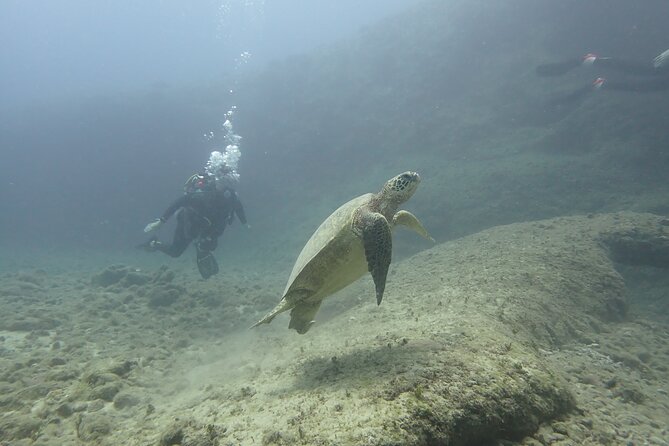
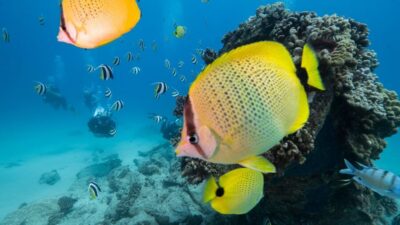
Learning to breathe underwater is the heart of this Honolulu course. Over two weekends, you work through online study, beach-based skills, and four ocean sessions before earning an SSI Open Water Scuba Certification. Along the way, you may spot sea turtles, octopuses, and tropical fish over Hawaii’s coral reefs.
I like two things right away. First, the four-part format gives you time to build confidence instead of cramming every skill into one rushed day. Second, the course logs four local scuba sessions, so your certification comes with real practice in Hawaiian waters. The main drawback is the schedule: you need four class days across two consecutive weekends, your own transportation, and gear beyond the included kit if you do not own basic snorkeling equipment.
Key points to know before booking
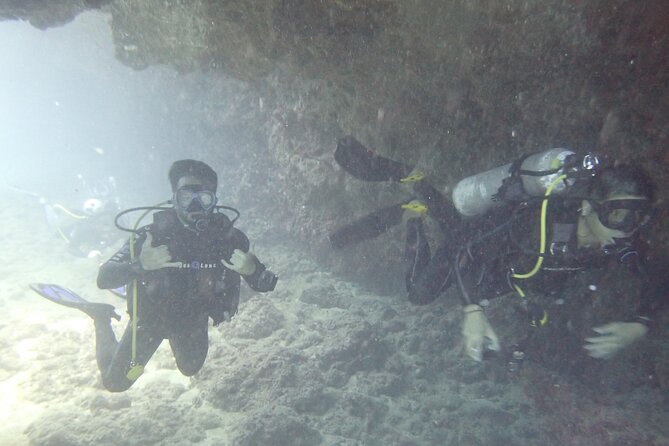
- Four class days over two weekends: You complete beach training, two ocean sessions, more confined-water practice, and two final check-out sessions.
- SSI certification included: Finish the required work and you earn an internationally recognized Open Water Scuba Certification from Scuba Schools International.
- Small class size: The group limit is eight, which gives instructors room to watch your technique and help you settle in.
- Basic equipment is supplied: Scuba equipment is included, but you must bring or buy a mask, snorkel, fins, and boots. Prices for that set begin at $175.
- Patient instruction is a major strength: Instructors named in student feedback include Anna, Hunter, Chandler, Ed, Jess, Theo, Lenny, Nick, and Jake.
- Plan around air travel: You should not scuba within 48 hours of flying, and you must complete a health questionnaire before entering the water.
Why this Honolulu course works well for first-timers
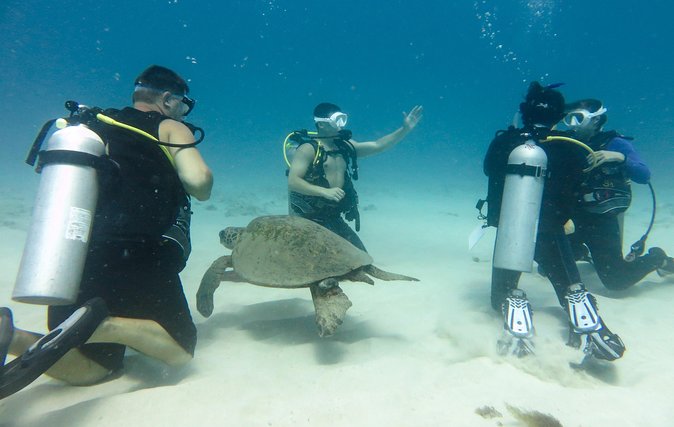
A resort try-out can give you a taste of scuba, but it does not give you a full certification. This course takes the slower, more useful route. You learn the basic rules, practice the equipment, and show that you can manage key skills in open water.
That matters because scuba is not just swimming with an air tank. You need to stay calm, clear your ears, communicate underwater, and respond correctly if something feels wrong. The course gives you several chances to repeat those actions. If your first attempt feels awkward, you are not expected to become an expert in five minutes.
The small maximum group of eight also helps. Your instructor can keep an eye on how you handle the mask, breathing system, and underwater signals. This is especially useful if you arrive nervous. Several instructors are praised for patience and for not pushing people past their comfort level.
The teaching team changes by class, so you cannot request a specific instructor with certainty from the information provided. Still, Anna, Hunter, Chandler, Ed, Jess, Theo, Lenny, Nick, and Jake are names associated with strong instruction. Hunter is noted for building confidence and explaining skills carefully. Chandler is described as calm and encouraging, while Anna is praised for being thorough and good-humored.
More dive trips in Oahu:
- First-Time Scuba Diving in Honolulu + Free Videos
★ 5.0 · 3,123 reviews - Beginner Scuba Diving Experience with Video Package in Honolulu
★ 5.0 · 877 reviews - Certified Diver: 2-Tank Deep Wreck and Shallow Reef Dive Off Oahu
★ 5.0 · 331 reviews
Before day one: finish the digital learning
Your first job happens before you meet the instructor. The digital learning portion is included in the $495 price and must be completed before the first in-person class. You need to contact the company directly for access.
This online work matters more than it may sound. It gives you the basic vocabulary and safety information before you handle the equipment. The first class includes a review of the final exam, so arrive ready to discuss what you studied rather than expecting the classroom work to start from scratch.
Set aside enough time to finish the digital material properly. You will get more from the beach sessions if you already understand the basic ideas. The course is practical, but it still requires preparation.
Day one: exam review and beach-based skills
The first in-person day starts at 7:00 a.m. at Honolulu Scuba Company, 670 Auahi Street, Suite A-1, Honolulu. The day includes a review of the final exam and confined-water scuba training from the beach.
This is where the equipment begins to feel less mysterious. You work through basic scuba skills in a controlled setting before heading into more demanding ocean conditions. The beach format lets you focus on breathing, equipment use, communication, and the required techniques without having the full open-water setting compete for your attention.
For a nervous beginner, this is an important step. You can get used to breathing through the regulator and learn how the gear feels before the course asks you to manage a longer underwater session. The instructors’ patience matters here. The strongest feedback about this course centers on calm explanations, steady coaching, and giving students time to feel comfortable.
Bring the right personal gear. Scuba equipment is included, but mask, snorkel, fins, and boots are not. You can bring your own, or prices start at $175. That extra cost changes the value calculation, so include it in your budget before booking.
Day two: two ocean sessions in Hawaiian water
The second class day moves from confined-water practice to two ocean sessions. This is the first chance to use your skills in a real marine setting, with Hawaii’s coral reefs providing the backdrop.
The appeal is clear. You may see sea turtles, octopuses, and colorful tropical fish while learning. The wildlife is a welcome bonus, but the main purpose is still training. You are there to demonstrate safe technique and become more comfortable managing yourself underwater.
Two sessions in one day give you useful repetition. The first one helps you adjust to the ocean setting. The second lets you apply what you learned with a little more familiarity. Conditions and sightings can vary, so you should not book this course expecting a guaranteed animal encounter or a particular reef scene.
You also need moderate physical fitness. The course involves handling scuba equipment and completing several water sessions, so it is not a passive sightseeing outing. If you have asthma, a heart condition, or another medical concern, consult your doctor before booking. Every participant must complete a health questionnaire before scuba training.
Same island, a completely different kind of day:
- Oahu Grand Circle Island and Haleiwa Tour: 9-Hr Deluxe Experience
★ 5.0 · 17,387 reviews - Oahu: Grand Tour Around Island 16 Locations plus Snorkeling
★ 5.0 · 8,669 reviews - Parasailing Experience in Waikiki, HI
★ 5.0 · 7,692 reviews - Salute to Pearl Harbor Including USS Arizona
★ 4.5 · 7,433 reviews
The second weekend: more confined-water practice
The third class day returns to confined-water training. This spacing is one of the best features of the schedule. You get time between weekends to think about what felt easy, what felt awkward, and what you need to improve.
A compressed course might move from lesson to test before you have processed the first session. Here, the break gives you a chance to reset. You can return with a clearer head and more confidence, then work on skills that need another attempt.
This second training day is also a reminder that certification is about control, not just sightseeing. You need to show that you can perform the required skills, communicate, and stay composed. If you found the first weekend challenging, do not assume you are failing. Skill-building often takes repetition, which is exactly what this format allows.
Day four: final check-out sessions
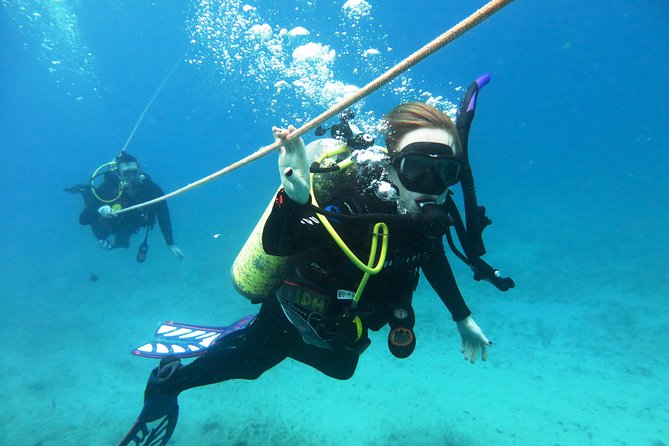
The last day includes two final check-out ocean sessions. These are the point of the course, since they test your ability to use the skills in open water and complete the certification requirements.
By this stage, you have already studied online, reviewed the exam, trained from the beach, completed two ocean sessions, and practiced again during the second weekend. The final two sessions are not simply a sightseeing add-on. They are your chance to show that you can put the full set of skills together.
Once you complete the training, you earn the SSI Open Water Scuba Certification and log four local scuba sessions. That combination gives you more than a certificate on paper. You leave with a record of actual practice in Hawaii, which is useful if you plan to continue scuba at home or on future trips.
The activity ends back at the meeting point. You need your own transportation, since private transportation is not included.
What the $495 price really covers
At $495 per person, this is a serious purchase, but it is not priced like a short introductory activity. You are paying for a four-part course, professional instruction, digital learning, scuba equipment, and four local underwater sessions.
The certification is the key value. If you only want one quick underwater outing, this course asks for far more time and commitment than you need. If you already know you want to continue scuba, earning certification in Hawaii combines training with a memorable place to learn.
Budget for the personal gear that is not included. If you own a suitable mask, snorkel, fins, and boots, the listed price is easier to assess. If not, the starting cost of $175 raises the total substantially. Ask about the exact equipment arrangement before class so there are no surprises.
The group cap of eight also supports the price. A smaller class can mean more direct instruction and closer attention during skills practice. Still, instructor assignment is not guaranteed, and the quality of your experience may depend partly on the person leading your class.
The instructors and teaching style
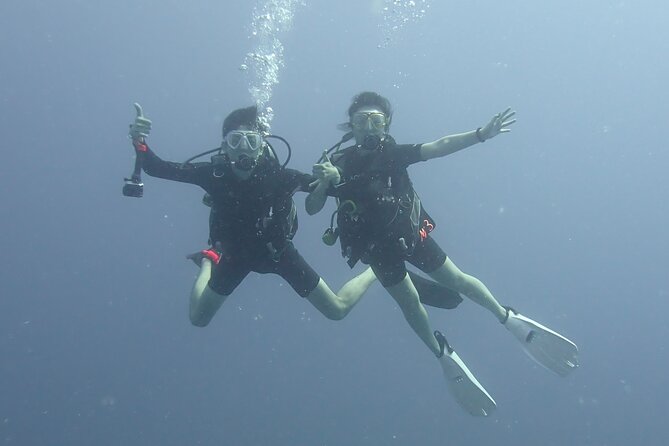
The clearest strength of this course is the human side of the instruction. Names connected with positive teaching experiences include Lenny, Theo, Nick, Jake, Ed, Chandler, Hunter, Anna, and Jess.
The praise is consistent in a useful way. Instructors are described as patient, clear, approachable, professional, and careful about safety. That matters more than a flashy personality when you are learning to manage an air supply underwater.
Hunter receives particular praise for thorough explanations and for helping students build confidence. Chandler is associated with a calm teaching style that helps even nervous students. Anna is noted for careful instruction and a sense of humor, while Jess is praised for leadership and clear direction.
There are also some less positive details to keep in mind. One account raises concerns about a torn wetsuit, a very small backyard pool used for swim certification, and poor health-safety measures at the time of that experience. Another account describes a last-minute cancellation and difficulty obtaining a refund after illness. These issues do not erase the strong overall impression, but they are good reasons to confirm current procedures, equipment condition, and cancellation terms before paying.
Who should book this course?
This is best for someone who wants a real scuba credential rather than a one-time introduction. You should be able to commit to four early starts over two consecutive weekends and arrange your own transportation to Honolulu Scuba Company.
It suits people who are curious but nervous, provided they are willing to practice. The instructors are repeatedly praised for helping beginners relax, and the small group size can make it easier to ask questions.
It is less suitable for someone on a tight holiday schedule. You cannot squeeze the course into a single day, and scuba should not be done within 48 hours of flying. Build the schedule around the training, not the other way around.
The course also requires moderate physical fitness and medical clearance through a health questionnaire. Anyone with a relevant medical condition should speak with a doctor first.
Practical planning for your four days
Book this only when you know you can attend the full schedule. The activity is non-refundable and cannot be changed for any reason, so illness or a schedule change may leave you out the money.
Wear and pack for a full morning in and around the water, though exact clothing guidance is not provided. Bring your personal mask, snorkel, fins, and boots if you have them. Otherwise, confirm the current purchase cost, which begins at $175.
Finish the digital learning before day one and contact the company if you need access. Arrive ready for the 7:00 a.m. start at 670 Auahi Street, Suite A-1.
Finally, protect your flight schedule. Since scuba within 48 hours of flying is not recommended, leave enough time between your last underwater session and your departure from Hawaii.
Should you book the Honolulu certification course?
Book it if you want to become a certified scuba diver and can give the course two full weekends. The strongest reasons are the four-session structure, SSI certification, small class size, and instructors who are repeatedly praised for patience and confidence-building.
Skip it if you only want a casual reef outing, cannot manage the schedule, or need a flexible cancellation policy. Also price the required personal gear before deciding.
For the right person, this is a practical way to turn a Hawaii holiday into a lasting skill. You get coral reefs, tropical marine life, and four local scuba sessions, but the real payoff is leaving with the training to continue exploring underwater long after Oahu is behind you.
FAQ
Where does the course begin?
It begins at Honolulu Scuba Company, 670 Auahi St, Suite A-1, Honolulu, HI 96813.
What time does class start?
The listed start time is 7:00 a.m.
How long does the certification course take?
The course takes approximately four days spread across two consecutive weekends.
What happens on the first day?
You review the final exam and begin confined-water scuba training from the beach.
What happens on the second day?
You complete two scuba sessions in the ocean.
What happens on the third day?
You continue and complete the confined-water training.
What happens on the fourth day?
You complete the final two check-out scuba sessions in open water.
What certification do I receive?
You earn an Open Water Scuba Certification from Scuba Schools International, also known as SSI, after completing the training.
Is equipment included?
Scuba equipment is included. A mask, snorkel, fins, and boots are not included, but you may bring your own or purchase them at prices starting at $175.
Do I need my own transportation?
Yes. Private transportation is not included, and you are required to arrange your own transportation.
Can I fly soon after the course?
Scuba within 48 hours of flying is not recommended. Plan your final underwater session with that timing in mind.
Newest Oahu write-ups
- West Oahu: Eco-Friendly Whale Watching Cruise★ 4.5 · 40 reviews
- Oahu: Waikiki Eco-Friendly Morning Whale Watching Cruise★ 4.4 · 119 reviews
- Oahu: Circle Island Tour with Lunch & Waimea Waterfall★ 4.4 · 134 reviews
- West O’ahu: Dolphin Watching and Snorkeling Catamaran Cruise★ 4.5 · 31 reviews
- West O’ahu: Swim with Dolphins Catamaran Cruise★ 4.9 · 70 reviews
- Oahu: Waimea Falls & valley & North Shore day★ 5.0 · 4 reviews
- Honolulu, Oahu: Waikiki Turtle Snorkel Tour w/Shuttle Option★ 3.6 · 81 reviews
- Waikiki: Surf Lessons Easy 60 min classes no crowds!★ 4.9 · 21 reviews
Oahu Scuba Diving, compared.
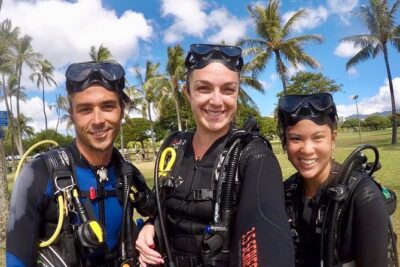
First-Time Scuba Diving in Honolulu + Free Videos
Read our review →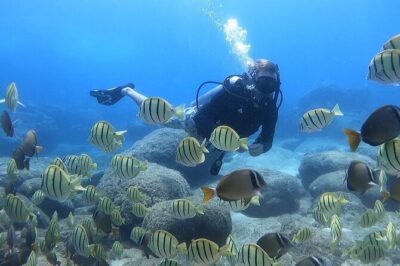
Beginner Scuba Diving Experience with Video Package in Honolulu
Read our review →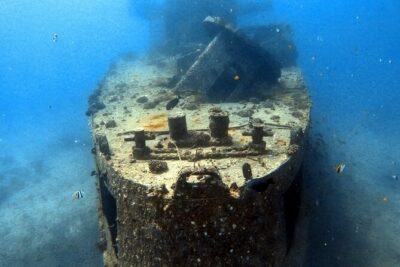
Certified Diver: 2-Tank Deep Wreck and Shallow Reef Dive Off Oahu
Read our review →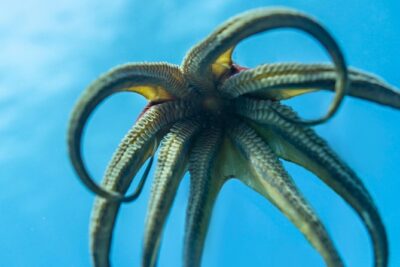
Incredibly Fun Coral Reef Giant Sea Turtles 4hour Boat Scuba Tour
Read our review →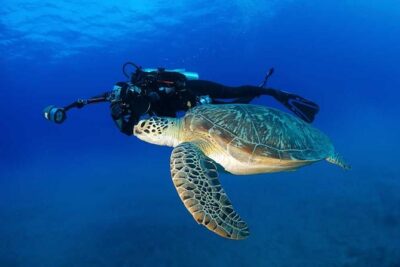
Certified Diver: 2-Tank Shallow Reef Dives off Oahu
Read our review →
Waikiki 2 Tank World Class Wreck SCUBA Diving – Certified Only
Read our review →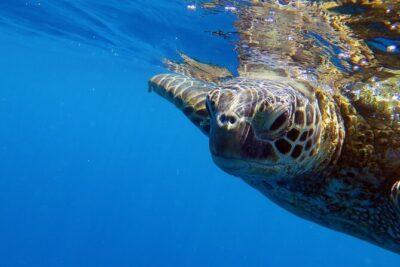
Browse the lists this tour appears in