Reviewed · TOURS
Kamananui Cacao Orchard Tour
Chocolate begins as a fruit on a small tropical tree, and this working cacao farm lets you follow that journey close to the source. You walk through the orchard, learn how cacao is grown and harvested, and taste chocolate made in Hawaii rather than simply hearing a sales pitch in a shop.
I like the small group, capped at 14 people, and the generous tasting portion at the end. I also like that the tour connects cacao to the other plants, birds, and conditions that help the orchard thrive. The main drawback is the setting: parts of the orchard can be muddy, and the access road turns to gravel with potholes, so clean shoes and a little patience help.
Key points at a glance
- From cacao pod to chocolate bar: See and discuss how fruit from the tree becomes a finished food.
- A small, personal group: The maximum is 14 people, which leaves room for questions and conversation.
- A serious tasting session: Sample several chocolates and try cacao tea, with explanations of flavor and aroma.
- Guides who make the science clear: Katie, Katy, Chari, and Max are named in guest feedback, with Dan, the owner, sometimes adding his own insight.
- A North Shore side trip: The orchard shows you a quieter, agricultural part of Oahu beyond the usual beach stops.
- Come prepared for farm conditions: Closed-toe shoes are wise, and muddy patches plus a rough gravel road are part of the deal.
Why this Oahu cacao tour is worth your time
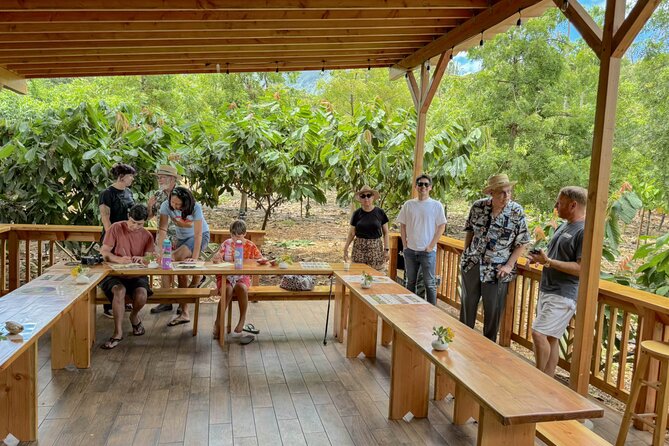
The Kamananui Cacao Orchards tour works because it gives chocolate a sense of place. Instead of starting with a polished bar on a shelf, you begin among cacao trees and learn what the fruit looks like before it becomes anything familiar.
That shift matters. Most of us know chocolate as a finished product, not as a crop that needs the right mix of shade, warmth, moisture, plants, and care. Here, the orchard becomes an outdoor classroom. You get a better idea of how much work sits behind a small piece of good chocolate.
The tour lasts about 90 minutes. That is long enough to cover the growing process and hold a proper tasting without taking up an entire day on Oahu. It also fits well into a North Shore outing, though the drive deserves more time than a quick map estimate may suggest.
I would not treat this as a generic candy tasting. The appeal is the link between farming and flavor. You learn why different cacao can taste different, then test that idea with samples in front of you.
Other Oahu mornings and afternoons that pair well with this one:
- Oahu Grand Circle Island and Haleiwa Tour: 9-Hr Deluxe Experience
★ 5.0 · 17,387 reviews - Oahu: Grand Tour Around Island 16 Locations plus Snorkeling
★ 5.0 · 8,669 reviews - Parasailing Experience in Waikiki, HI
★ 5.0 · 7,692 reviews
Walking among the cacao trees
The tour begins at Kamananui Cacao Orchards, at 67-174 Farrington Highway in Waialua. From the meeting point, the experience stays on the farm and finishes back there.
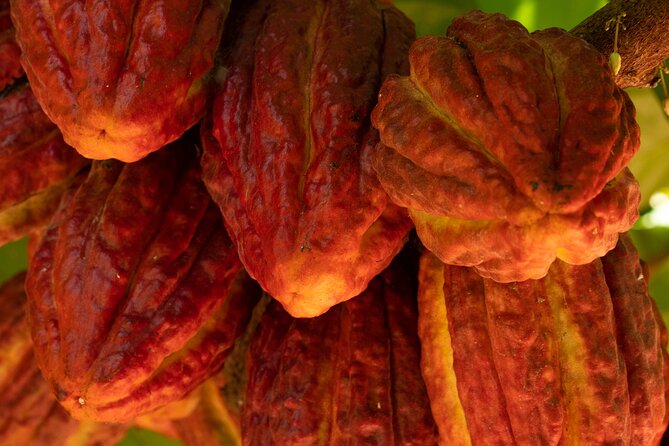
The orchard walk is the heart of the visit. You see cacao trees in their growing environment and discuss cultivation, harvesting, and the early stages of production. The exact route and seasonal details can vary, but the focus is the same: helping you understand how fresh cacao fruit moves toward chocolate.
The farm is also presented as more than a row of trees. Guides explain the other flora and fauna that help cacao succeed, giving you a wider view of farming in a tropical setting. That is one of the strongest parts of the experience for me. You are not just memorizing a production sequence. You are seeing how a crop depends on its surroundings.
The orchard can have muddy patches, even if much of the ground is dry. Wear shoes you do not mind getting dirty, and choose closed-toe footwear. Sandals may be fine for a beach day, but they are a poor match for this walk.
You may also want sun protection and water for your own comfort, though the supplied tour details specifically call out the closed-toe shoes and mud. The farm setting is practical rather than polished. That is part of its value, but it also means you should dress for a working agricultural site.
What the guides add to the experience
The quality of this tour depends heavily on the guide, and the named guides receive especially strong praise. Katie and Katy are both mentioned in the feedback, along with Chari and Max. The spelling varies in the supplied material, so do not assume the same person will lead every departure.
The best guides make the process easy to follow for mixed ages and experience levels. Families with children as young as eight have enjoyed the tour alongside older adults, and the teaching style is described as clear, friendly, and engaging. That matters because cacao production can sound technical if it is explained as a list of farming terms.
You should expect plenty of chances to ask questions. One guide is described as having a background in botany, while another is praised for answering questions in a way that kept several age groups involved. These details suggest an experience that can work for both the chocolate enthusiast and the person who knows almost nothing about cacao.
Dan, the owner, is also mentioned as spending time talking about the farm and the industry. His involvement may not be part of every tour, but when it happens, it adds a useful first-hand view of running a cacao operation.
The guide is not just there to point out trees. You are given the story of the crop, the reasons behind cultivation choices, and the connection between farm conditions and the taste in your cup or chocolate sample.
The tasting: more than a quick sweet treat
The tasting is one of the biggest reasons to pay the $89 price. Chocolate samples are included, and the experience offers a range of flavors and aromas rather than one small bite at the end.
You may taste cacao in several forms and compare chocolate made from different beans or sources. The tasting is designed to help you notice flavor profiles, not just decide if something is sweet. That makes it more useful than a simple free sample at a shop.
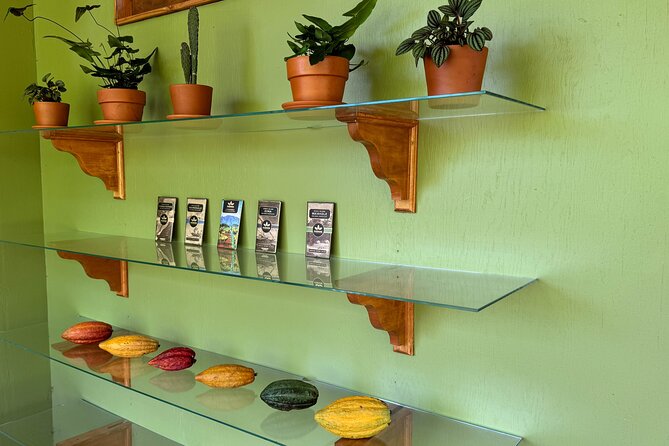
Cacao tea is singled out as a highlight. If you have never tried it, this is a good chance to encounter a less familiar part of the cacao plant. The tasting also includes locally made chocolate, with Manoa chocolate specifically mentioned as a product you can sample and buy.
The samples are described as generous, so you should not think of the $89 as paying only for a walk through trees. You are paying for the guide’s time, the farm visit, the educational portion, and a substantial tasting. Still, the value depends on your interest. If you mainly want a cheap dessert, the price will feel high. If you enjoy food production, Hawaiian agriculture, and guided tastings, it is easier to justify.
Bring room in your day and perhaps in your suitcase. The tasting can make it hard to leave without buying a few bars for later. Purchasing chocolate also supports the local operation and gives you something more lasting than a photograph.
Same island, a completely different kind of day:
- Salute to Pearl Harbor Including USS Arizona
★ 4.5 · 7,433 reviews - Majestic Circle Island Tour with Lunch
★ 5.0 · 7,014 reviews - Oahu’s Ultimate Tour: Dole, Turtle Snorkel, Pali Lookout & More
★ 4.5 · 5,461 reviews - Oahu Circle Island Tour with Turtle Snorkeling— Small-Groups
★ 5.0 · 5,214 reviews
How the flavor lesson works
The tour helps connect the plant to the finished bar. You learn that chocolate has a range of aromas and flavors, and the samples give you a way to put that lesson into practice.
This is where the experience becomes useful for anyone curious about specialty chocolate. You can pay attention to differences in bitterness, sweetness, texture, and aroma. The guide explains what you are tasting, so you are not left to guess why two pieces seem unlike each other.
You do not need prior tasting experience. The teaching is intended to be understandable, and the family feedback suggests that children and adults can take part together. A curious palate is enough.
I would keep expectations realistic. This is not presented as a formal professional certification or a long technical workshop. It is a hands-on farm tour with a thoughtful tasting. You get a solid introduction in 90 minutes, not an exhaustive course in chocolate making.
The rough road and the practical arrival tips
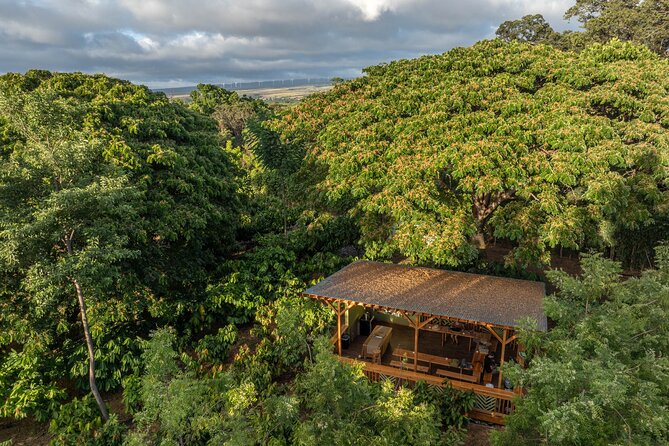
The final approach to the orchard can take extra time. The side road is gravel for roughly half of the way, with potholes that call for slower driving. Allow an additional five to ten minutes if you are not used to rough roads, and avoid rushing to make the start time.
Driving slowly also helps keep rocks from flying up. This is a small point, but it is exactly the kind of detail that can prevent a stressful arrival.
Use the stated meeting point, 67-174 Farrington Hwy, Waialua, and plan to finish at that same location. The tour does not include transportation from Honolulu, so you need to arrange your own way to the farm.
The distance from Honolulu is a real consideration. The drive can be worth it if you are already planning time on the North Shore, but it is less efficient as a stand-alone activity from Waikiki. One practical plan is to pair the orchard with other North Shore stops, leaving a generous buffer around the tour rather than trying to squeeze it between fixed reservations.
The farm road and orchard conditions also mean this is not a polished indoor attraction. You trade easy access for a closer look at a real working site. For me, that is a fair exchange, as long as you know what you are signing up for.
Who will enjoy the 90-minute visit most
This tour suits people who like to understand where food comes from. You do not need to be a serious chocolate expert, but you should have some interest in farming, local products, or tasting something with a story behind it.
Families are a good match. The group size is small, and the guide can adjust explanations for different ages. The 90-minute length is also manageable for children who may not want a full-day agricultural program.
Couples will find it easy to add to a North Shore day. The orchard offers a quieter change of pace from beaches and busy sightseeing stops, and the tasting gives you a shared activity without requiring a whole afternoon.
The tour also works for small groups who want something unusual. A maximum of 14 people keeps it from feeling like a large bus excursion, although the exact number in your group may be smaller.
I would think twice if you dislike walking on uneven or muddy ground, have very limited time on Oahu, or are looking only for a short chocolate purchase. The experience is educational first, with tasting as a major part of it, not a substitute for the farm visit.
Service animals are allowed, and most people can participate according to the supplied access information. Because the setting is an orchard with mud and a rough approach road, contact the operator directly if you need details beyond that general guidance.
Is $89 a fair price?
At $89 per person, this is not a bargain activity in the narrow sense. You could buy chocolate for much less, and you can see many Oahu sights without paying a guided-tour fee.
The price makes more sense when you count what is included: an English-speaking guide, access to a working cacao orchard, instruction from people connected with the farm, and chocolate samples. You are also paying for a small group, a format that allows questions and a more direct exchange with the guide.
The tasting helps the value. It is not limited to one token sample, and cacao tea plus locally made chocolate add variety. If you are likely to buy bars after tasting them, include that extra spending in your day’s budget.
The strongest value comes for a person who would otherwise spend money on both a food tour and a North Shore outing. This combines a farm visit, a local product, and a guided tasting in one compact experience.
I would book it for the content, not only for the chocolate. If the farm and the growing process do not interest you, $89 may feel steep. If you want to understand Hawaiian cacao and support a local producer, it is a reasonable splurge.
Booking, weather, and cancellation details
The activity is offered in English and uses a mobile ticket. It is often reserved around 20 days ahead, so I would not wait until the last minute if your Oahu dates are fixed.
You can cancel for a full refund up to 24 hours before the start time. Changes or cancellations inside that 24-hour window are not accepted for a refund. The cut-off follows local time.
Weather matters because the tour takes place outdoors. If poor weather causes the operator to cancel, you can choose another date or receive a full refund. That policy is useful, but it also means you should keep some flexibility in your North Shore plans.
Gratuity is not included. If your guide gives you a helpful, attentive tour, budget separately for a tip.
My verdict on Kamananui Cacao Orchards
Book this tour if you want a small, friendly farm experience that explains chocolate from tree to finished bar. The best parts are the orchard setting, the guides’ clear teaching, the range of samples, and the chance to try cacao tea and local chocolate in the place where the story begins.
Plan carefully for the drive. The gravel access road, potholes, and muddy patches are not deal-breakers, but they are part of the experience. Wear closed-toe shoes, allow extra arrival time, and pair the farm with a broader North Shore day.
I would choose Kamananui Cacao Orchards for families, couples, food-minded visitors, and anyone looking for an Oahu activity beyond the standard beach circuit. Skip it if your schedule is tight or you want only a quick tasting with no farm walk. For everyone else, this is a smart way to spend 90 minutes learning something useful, eating very well, and seeing a working side of the island.
FAQ
How long does the Kamananui Cacao Orchard Tour last?
The tour lasts approximately 1 hour and 30 minutes.
Where does the tour start and finish?
It starts at 67-174 Farrington Hwy, Waialua, Hawaii 96791, and ends back at the same meeting point.
What is included in the tour price?
The tour includes an English-speaking guide and chocolate samples. Gratuity is not included.
How large is the tour group?
The maximum group size is 14 people.
Should I wear special shoes?
Closed-toe shoes are recommended. Parts of the orchard can be muddy, and the access road includes a gravel section with potholes.
Can I cancel for a refund?
Yes. You can cancel at least 24 hours before the start time for a full refund. Cancellations or changes made less than 24 hours before the start time are not accepted for a refund. If poor weather causes the operator to cancel, you will be offered another date or a full refund.
Newest Oahu write-ups
- West Oahu: Eco-Friendly Whale Watching Cruise★ 4.5 · 40 reviews
- Oahu: Waikiki Eco-Friendly Morning Whale Watching Cruise★ 4.4 · 119 reviews
- West O’ahu: Swim with Dolphins Catamaran Cruise★ 4.9 · 70 reviews
- Oahu: Circle Island Tour with Lunch & Waimea Waterfall★ 4.4 · 134 reviews
- West O’ahu: Dolphin Watching and Snorkeling Catamaran Cruise★ 4.5 · 31 reviews
- Oahu: Waimea Falls & valley & North Shore day★ 5.0 · 4 reviews
- Honolulu, Oahu: Waikiki Turtle Snorkel Tour w/Shuttle Option★ 3.6 · 81 reviews
- Waikiki: Surf Lessons Easy 60 min classes no crowds!★ 4.9 · 21 reviews
Tours, compared.
Oahu Grand Circle Island and Haleiwa Tour: 9-Hr Deluxe Experience
Read our review →
Grand Tour Around Island 16 Locations plus Snorkeling
Read our review →
Oahu’s Ultimate Tour: Dole, Turtle Snorkel, Pali Lookout & More
Read our review →
Oahu Circle Island Tour with Turtle Snorkeling— Small-Groups
Read our review →
Waikiki Trolley Hop-On Hop-Off Tour of Honolulu
Read our review →